
2026 Best Spirulina Powder Suppliers for Global Buyers?
Choosing a Spirulina Powder supplier in 2026 takes more than comparing prices or reading a polished product page. Buyers need evidence that each batch is consistent, traceable, and suitable for its intended use. A clear certificate of analysis, recent test results, and lot-specific records offer a stronger starting point than broad quality claims.
This guide examines practical details global buyers can verify. Check how suppliers test for microbiological quality, heavy metals, moisture, and color consistency. Ask where the spirulina is cultivated and processed, how harvests are handled, and whether the supplier can provide samples from a current production lot. Packaging also deserves attention: sealed, light-resistant bags can help protect powder during storage and transport. Small details matter.
Supplier qualifications should be checked rather than assumed. Confirm that certificates are current, issued by recognized bodies, and relevant to the product and facility. Review production capacity, lead times, shipping options, and communication practices before placing a large order. Import requirements differ by destination, so buyers should confirm applicable documentation with qualified local professionals. A supplier’s confident answer is useful, but supporting records matter more.
No checklist catches everything. A sample may not reveal how well a supplier manages a delayed shipment or a sudden change in specifications. Even experienced buyers can miss a weak point when timelines are tight. The sections ahead compare supplier-selection criteria, common warning signs, and questions worth asking before committing. The goal is not to crown one vendor for every market, but to help buyers make a careful, evidence-led choice.
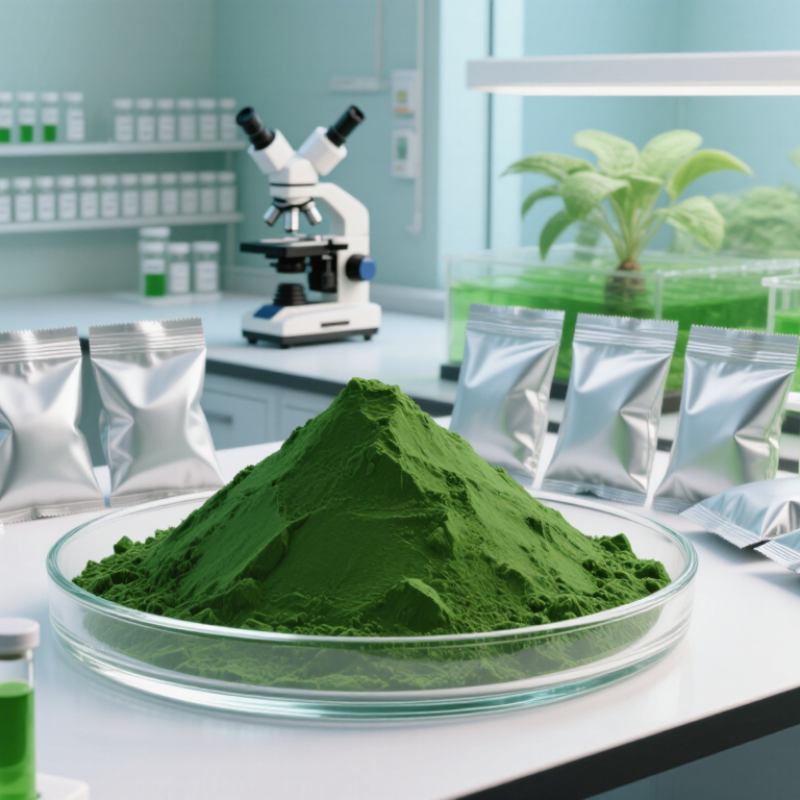
Spirulina Powder Basics: Typical Protein Content of 55–70% by Dry Weight
Spirulina powder is commonly reported to contain 55–70% protein by dry weight, but that range is not a guarantee for every batch. A 2007 review by Klaus Becker in Biotechnology Advances reports this range for dried Spirulina biomass. USDA FoodData Central lists dried spirulina at 57.47 grams of protein per 100 grams. These figures are useful reference points, not substitutes for batch testing. A small distinction, with real consequences.
Protein values vary with cultivation, harvesting, washing, and drying. Residual moisture can lower the percentage reported for powder as sold, compared with its dry-basis value. Buyers should request a recent certificate of analysis, moisture data, test method, and reporting basis. Nitrogen-based crude protein results also deserve careful interpretation, since non-protein nitrogen can affect calculations in algae. A headline figure alone is thin evidence.
For procurement, compare suppliers using the same basis and consider independent lab testing for significant orders. Protein percentage does not tell buyers how well the powder disperses or tastes in a drink. A vivid green sample can still clump in cold water. Those details matter. The range is useful, but it invites questions.
2026 Best Spirulina Powder Suppliers for Global Buyers? - Spirulina Powder Basics: Typical Protein Content of 55–70% by Dry Weight
| Buyer Checkpoint | Typical Information or Benchmark | What Global Buyers Should Verify |
|---|---|---|
| Product identity | Spirulina powder is commonly produced from Arthrospira species, especially Arthrospira platensis and Arthrospira maxima. | Check the declared species, country of origin, ingredient list, and product classification on the specification sheet. |
| Protein content | Commonly reported at about 55–70% of dry weight. The actual result varies with cultivation, processing, and analytical method. | Confirm whether the result is reported on a dry-weight basis or as received. Request the test method and batch-specific certificate of analysis. |
| Protein testing | Protein may be estimated from measured nitrogen using methods such as Kjeldahl or Dumas. The nitrogen-to-protein conversion factor can affect the reported result. | Compare results only when the analytical method and calculation basis are clear; avoid treating unlike test results as directly equivalent. |
| Moisture and shelf stability | Moisture is a key quality and storage parameter for dried powders. There is no single moisture specification that applies to every product or market. | Agree on a moisture limit in the purchase specification and check packaging integrity, storage guidance, and the product’s stated shelf life. |
| Color, odor, and appearance | Spirulina powder is generally green to blue-green and has a characteristic marine or vegetal odor. Appearance can vary by product and processing. | Request a representative sample and define acceptable sensory and visual characteristics before placing a bulk order. |
| Microbiological quality | Microbiological requirements depend on the intended use and the rules of the destination market. | Request current, lot-specific test results and confirm that the testing panel and acceptance criteria meet the applicable local requirements. |
| Heavy metals and contaminants | Contaminant limits are set by relevant regulations and can differ by country, product category, and intended use. | Specify the destination market and request test results for relevant contaminants, including heavy metals, against the applicable legal limits. |
| Cyanotoxins and algae-related hazards | Contamination risks can depend on cultivation conditions and raw-material controls; requirements and testing expectations vary by market. | Ask about cultivation-water controls, risk-based testing, and the supplier’s procedures for preventing contamination by unwanted cyanobacteria. |
| Traceability and documentation | Lot identification and traceability records help link the finished powder to production and testing records. | Request a batch code, certificate of analysis, ingredient and allergen statements, country-of-origin details, and applicable food-safety documents. |
| Packaging and transport | Dry powder should be protected from moisture and unsuitable storage conditions during handling and transport. | Confirm food-contact packaging, packing size, sealing, storage conditions, shipping terms, and whether the packaging suits the intended use. |
Note: Values and specifications should be confirmed for each product lot. Importers are responsible for checking the regulations that apply in their destination market and intended product use.