
2026 Top Skin Esthetician Trends You Need to Know?
As the skin esthetician industry evolves, 2026 promises exciting trends and innovations. According to recent market reports, the global esthetics market is projected to reach $189 billion by 2027. This growth highlights the rising demand for skilled skin estheticians who can offer personalized treatments. Clients are increasingly seeking specialized services that cater to their unique skin needs.
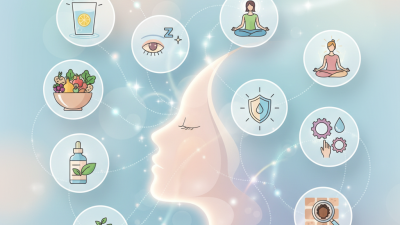
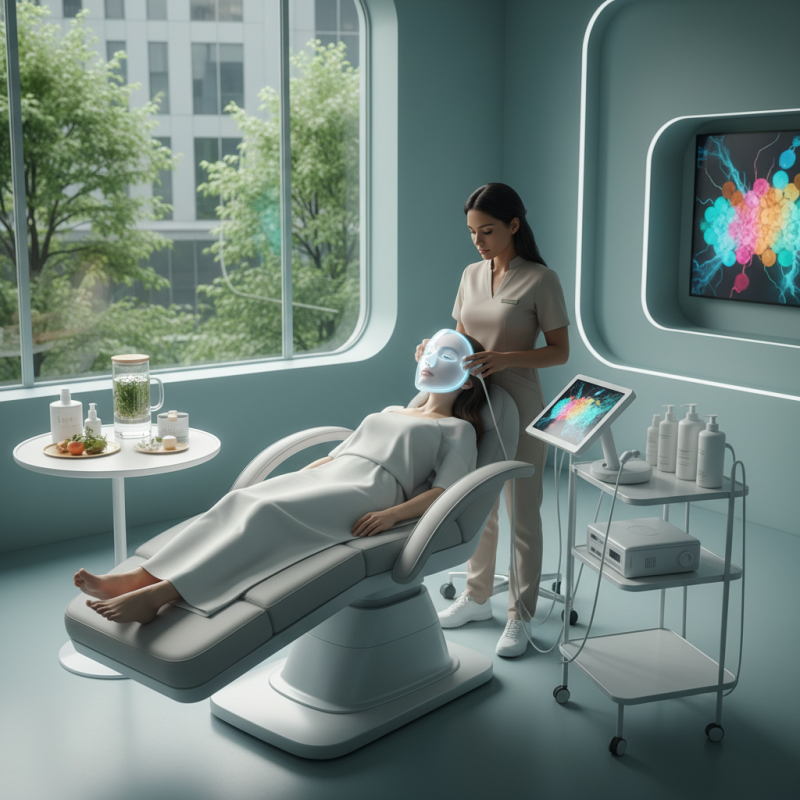
Emerging trends include the integration of technology in skin care. Devices like LED masks and microcurrent tools are gaining popularity among estheticians. Furthermore, there is a notable shift towards holistic skin health. This includes the adoption of plant-based products and wellness treatments. Clients are looking for more than just cosmetic improvements; they want to enhance their overall well-being.
However, the industry faces challenges. Not all estheticians are keeping pace with these rapid changes. Continuous education is essential. Some practitioners may resist new techniques and trends. This could lead to a gap in service quality. To stay competitive, skin estheticians must embrace innovation and adapt to their clients' evolving needs. Understanding these dynamics will be crucial in shaping a successful practice in 2026 and beyond.
Emerging Technologies in Skin Esthetics for 2026
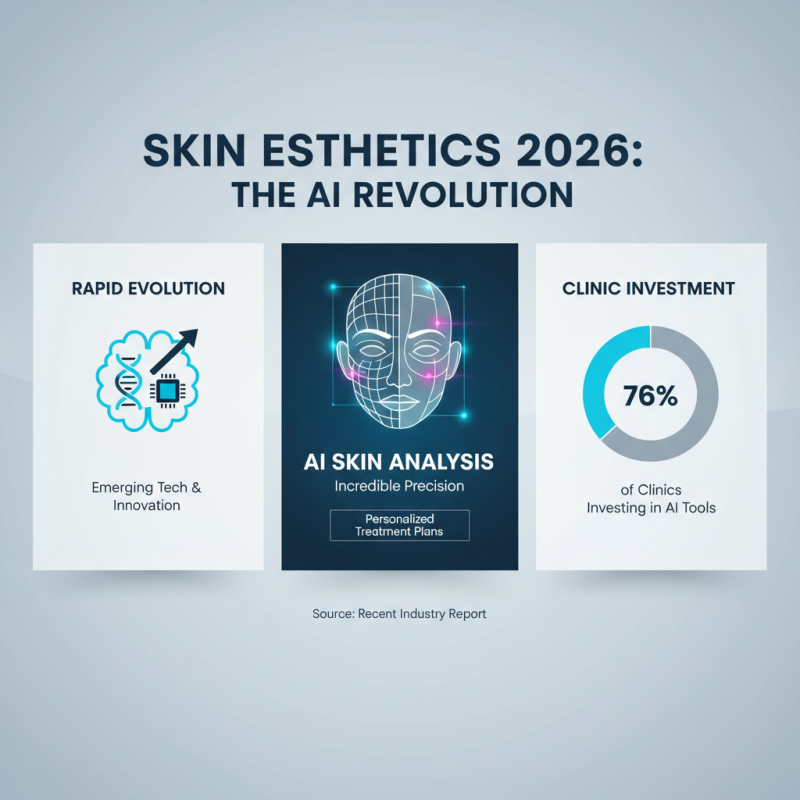
The skin esthetics industry is rapidly evolving. Emerging technologies are setting the stage for innovation in 2026. One notable trend is the rise of artificial intelligence in skincare analysis. AI can now analyze skin conditions with incredible precision. According to a recent report, 76% of skin clinics are investing in AI tools for personalized treatment plans.
Biotechnology is another area gaining traction. New formulations harness living cells to enhance skin rejuvenation. Reports indicate that the global biotech skincare market will reach $45 billion by 2026. This growth reflects consumer interest in more natural, effective treatments. However, the reliance on tech raises questions. There’s a gap in understanding how these technologies impact skin health long-term.
Virtual reality is also entering the scene. Skincare consultations via VR offer immersive experiences. Users can visualize potential results before treatments. Yet, some clients may feel disconnected from in-person advice. Maintaining the human touch is essential, as not everyone responds well to digital consultations. Balancing technology with genuine interpersonal connection will be key in this evolving landscape.
Sustainable Practices Shaping the Future of Skin Care
Sustainable practices are transforming the skin care industry. Consumers now prioritize eco-friendly options. According to a recent report, 73% of millennials are willing to pay more for sustainable beauty products. This shift is reshaping how estheticians approach their services.
Natural ingredients are becoming increasingly popular. Many beauty professionals are sourcing ingredients that are organic and ethically harvested. For instance, plant-based oils and extracts are seen as safer and more effective. Sustainable packaging is also a focus. Brands are opting for recyclable materials to reduce waste. Yet, some brands struggle to find a balance between sustainability and effectiveness.
Estheticians face challenges in adopting these practices. While eco-friendly products attract clients, not all products deliver desired results. Finding effective sustainable options can be daunting. Training and education are crucial in navigating this landscape. Continuous learning about sustainable methods is essential for building trust with clients. The future of skin care depends on this commitment to sustainability.
2026 Top Skin Esthetician Trends You Need to Know
This chart illustrates the top skin esthetician trends for 2026 based on their projected popularity among consumers. Sustainable ingredients are leading the way, reflecting a growing demand for eco-friendly and ethical skincare solutions.
Personalized Treatments: The Rise of Customized Skin Therapies
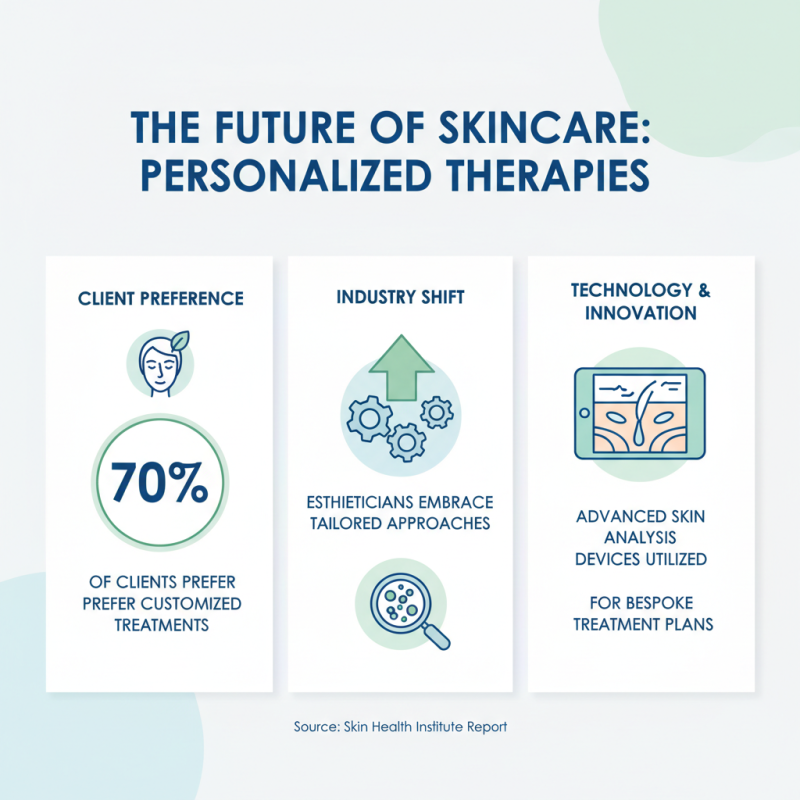
The shift towards personalized skin therapies is transforming the esthetician landscape. According to a recent report from the Skin Health Institute, about 70% of clients now prefer customized treatments over standard options. This trend highlights the importance of tailored approaches based on individual skin types, conditions, and needs. Estheticians are embracing this shift, utilizing advanced technology like skin analysis devices to create bespoke treatment plans.
Customized approaches not only enhance effectiveness but also foster deeper client relationships. A survey by the American Society of Esthetics revealed that 80% of clients feel more satisfied when treatments are personalized. However, implementing these strategies requires continued education and adaptability from professionals. Many estheticians report challenges in keeping up with the latest ingredients and techniques.
Furthermore, the desire for personalization can lead to unrealistic expectations. Some clients may expect immediate results from customized plans. This highlights the need for effective communication about realistic outcomes. Stresses around achieving perfection can sometimes overshadow the therapeutic experience. Balancing personalization with education and realistic goals remains a key challenge in the evolving field of skin esthetics.
Innovative Ingredients: What to Expect in Skin Care Formulations
As we approach 2026, innovative ingredients in skincare formulations are set to redefine our routines. One exciting trend is the rise of prebiotics and probiotics. These natural components aim to balance skin microbiomes. They can enhance skin barrier function and promote a healthier complexion. Imagine using a cream that not only moisturizes but also nurtures your skin's good bacteria.
Alongside these, expect to see more plant-based actives gaining popularity. Extracts from adaptogenic herbs could become essential in calming stressed skin. They promise to help with inflammation and sensitivity. Consider the potential of harmonizing your skin with nature. Yet, not every formulation will deliver results. Consumers might struggle to find products that truly work for their unique skin types.
Moreover, watch for bioengineered ingredients in 2026. These could be produced from yeast or algae, offering targeted benefits. It sounds impressive, but the science isn't perfect yet. Efficacy can vary, and some might still question safety. With an influx of options, navigating claims will require some critical thinking. Balancing innovation with caution is key for achieving radiant skin.
Trends in Client Experience: Enhancing the Esthetician-Client Relationship
In 2026, enhancing the esthetician-client relationship becomes a priority in the beauty industry. A recent industry report highlights that 70% of clients prefer personalized services. Tailoring treatments to individual needs fosters loyalty. Estheticians must listen closely to client concerns. This creates a space of trust.
Another trend shows the rise of technology tools. Many estheticians use client management systems to track preferences. These systems can increase client satisfaction by 45%. However, reliance on tech can limit personal connections. It’s essential to balance efficiency and a human touch.
Moreover, feedback is crucial. About 68% of clients reported they would stop visiting a clinic if they felt unheard. Regular check-ins and follow-ups can bridge this gap. Clients appreciate when their feedback is implemented. Yet, collecting feedback and making changes isn’t always easy. Addressing these areas can lead to stronger relationships and improved services.
Related Posts
-
10 Effective Skin Therapy Tips for Glowing Skin
-
Why You Need a Skin Esthetician for Your Ultimate Skincare Routine: Expert Tips and Benefits
-

Top 10 Benefits of Visiting a Skin Bar: Elevate Your Skincare Routine Today!
-
10 Best Facial Spa Techniques for Glowing Skin You Need to Try Now
-
Top 10 Essential Tips for Effective Skin Facial Care at Home
-

How to Choose the Best Skin Spa for Your Skincare Needs