
7 Best Esthetician Facial Machines for Professional Use
Choosing an esthetician facial machine is less about chasing the newest screen and more about matching tools to real treatment-room needs. The right device should fit your services, staff training, available space, and budget. It should also be straightforward to clean and maintain. Small details matter: a handpiece that sits comfortably in your palm, clear settings, and replacement parts that are easy to source. They can shape a workday.
Lydia Sarfati, esthetician, educator, and Repêchage founder, has said, “Skin care is not a luxury; it is a necessity.” That reminder speaks to consistent care, not buying every machine on the market. Some devices offer several modalities, while simpler models may better suit a focused menu. More features do not automatically mean better results. Not always.
This guide compares seven professional options by considering treatment functions, usability, upkeep, and practical value. It also looks at where each machine may fit—and where it may not. A busy studio serving varied clients has different needs from a solo practitioner building a compact room. Specs can look convincing on a product page, yet daily handling tells another story. Review manufacturer guidance, training requirements, and service support before purchasing. Facial machines are professional tools, not substitutes for sound consultation or individualized care. A thoughtful choice can support your workflow; an imperfect fit can become an expensive reminder to ask better questions.
How Professional Esthetician Facial Machines Work
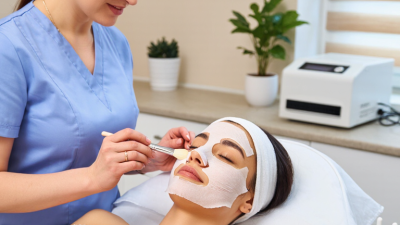
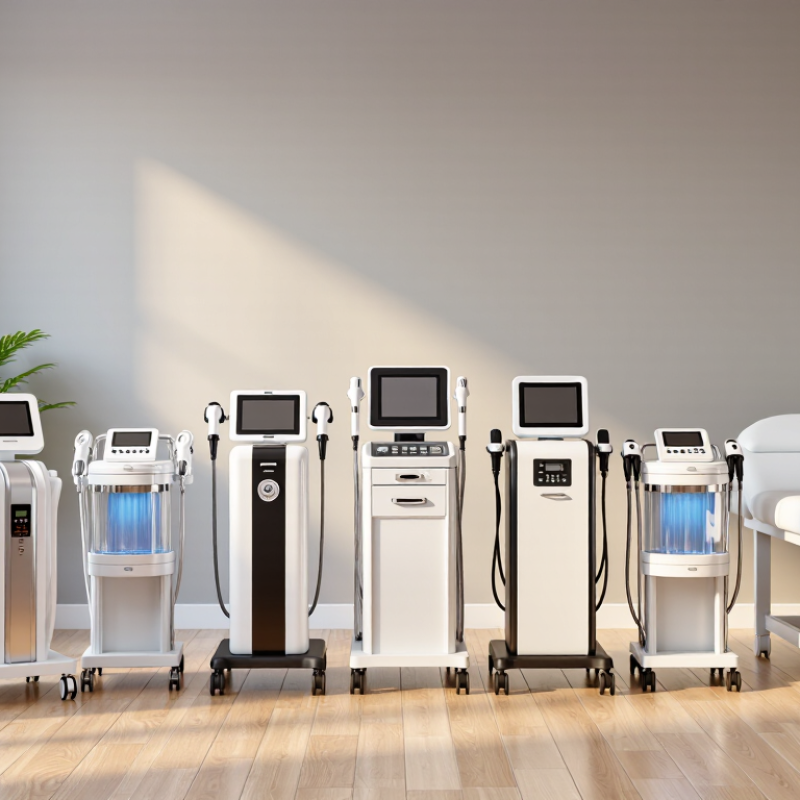
Professional esthetician facial machines use controlled energy, light, heat, or suction to support specific steps in a treatment. They do not replace skin assessment or skilled hands. Before choosing a setting, an esthetician considers the client’s skin condition, comfort, and treatment goals.
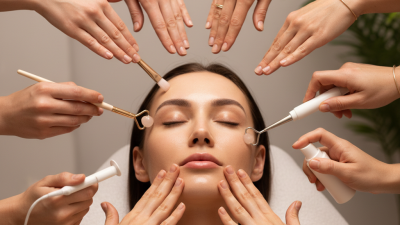
A magnifying lamp provides clear light to examine pores, dry patches, and visible irritation. A facial steamer releases warm vapor that can soften surface debris before cleansing, though heat may feel uncomfortable on sensitive skin. Not every face needs steam. Microcurrent devices deliver low-level electrical currents through conductive gel, while LED units expose skin to selected wavelengths of light. The experience varies with the device and the person using it.
Ultrasonic spatulas vibrate against damp skin to loosen surface buildup; they should glide gently, not scrape. Vacuum attachments use suction to lift debris, but excessive pressure can leave redness or discomfort. Small details matter: clean contact surfaces, intact cables, and settings suited to the treatment. An operator should explain the sensation and stop if the client reports pain. I sometimes find the controls less intuitive than expected, so practice and careful review of the device instructions matter. No machine guarantees a particular result.
Key Factors for Choosing a Machine for Professional Use
Choose a facial machine by the treatments your clients actually request, not by the longest feature list. Begin with the services you plan to offer, then check whether each device supports them safely and consistently. A magnifying lamp, for example, helps with close skin assessment; adjustable lighting and stable positioning matter during a full appointment. Match the machine’s footprint to your room, too. Crowded workspaces slow setup and make cleaning harder.
The 2024 ISPA U.S. Spa Industry Study reported $21.3 billion in U.S. spa revenue for 2023. It also recorded 181 million spa visits. That is useful market context, not proof that any particular machine will pay for itself. Review the device’s training requirements, cleaning instructions, service access, warranty, and consumable costs. Ask for a hands-on demonstration using the settings and treatment steps you expect to use. Check how controls feel with gloved hands, and whether cords reach your treatment bed without crossing walkways. Small details count. I would be cautious about buying several functions at once; extra modes can sit unused. Compare the manufacturer’s claims with the user manual and independent clinical evidence, and keep records of staff training and routine maintenance.
Seven Facial Machine Types and Their Primary Functions
Professional facial machines support specific steps in a service; no single device suits every client.
Facial steamer
A facial steamer adds warm moisture before cleansing. Use steam cautiously around clients who find heat uncomfortable. It is a tool, not a requirement.
Magnifying lamp
A magnifying lamp helps practitioners inspect visible skin features.
Ultrasonic skin scrubber
An ultrasonic skin scrubber uses vibration to help loosen surface debris during appropriate treatments.
High-frequency devices
High-frequency devices are commonly used after extractions, following device instructions and hygiene procedures.
Galvanic devices
Galvanic devices use low-level electrical current with compatible products; check client suitability and operating guidance first.
Microcurrent devices
Microcurrent devices deliver gentle current and are used in some services focused on the appearance of facial tone.
LED panels
LED panels provide specific light colors for cosmetic routines, but results vary and eye protection may be needed.
In practice, this sequence is not always tidy. Client comfort can change the plan.
Tips: Match the machine to the service goal, not a trend. Sanitize contact surfaces, inspect cords and attachments, and explain sensations before starting. Keep sessions within training and device instructions. If a client reports discomfort, pause and reassess; more equipment does not automatically mean better care.
Matching Machine Treatments to Different Skin Concerns
Choosing a facial machine starts with the skin concern, not the device’s feature list. The American Academy of Dermatology estimates acne affects up to 50 million people in the United States each year. For oily, congested skin, gentle exfoliation or ultrasonic cleansing may help remove surface buildup. Avoid strong suction over inflamed breakouts; extra redness is not progress. Keep it gentle.
For dryness or dullness, hydrating infusion and low-intensity LED treatments may suit clients who need a less abrasive session. Explain that results vary, and these treatments do not replace a consistent home routine. For redness-prone skin, use caution with heat and aggressive exfoliation. The AAD reports that rosacea affects about 14 million Americans, so persistent facial redness deserves careful screening rather than a stronger machine setting.
Uneven tone and visible signs of sun damage need a different conversation. A professional may consider light-based treatments only when properly trained and permitted within local practice rules; some pigment changes need medical assessment. Record the client’s skin response, recent products, and treatment history before choosing settings. I would not assume one device fits every skin tone or sensitivity level. A cautious patch test can feel slow, but it may prevent an avoidable reaction.
7 Esthetician Facial Machines: Matching Treatments to Skin Concerns
A qualitative guide to common esthetic-use applications—not a comparison of clinical results.
How to read: 0 = not a typical focus, 1 = supportive use, 2 = common focus. These ratings summarize general esthetic practice and do not indicate guaranteed results. Choose treatments based on skin assessment, contraindications, and practitioner training.
Professional Safety, Cleaning, and Maintenance Practices
A facial machine is only as safe as the routine around it. The CDC’s 2008 Guideline for Disinfection and Sterilization in Healthcare Facilities uses three equipment-risk categories: critical, semicritical, and noncritical. That framework is a useful reminder to match cleaning and disinfection to the part’s contact with the client. Remove detachable tips, switch the device off, and follow its manual before wiping. Never let liquid pool near vents, plugs, or control panels. Use only a compatible disinfectant, and keep the surface visibly wet for the full contact time on its label. A quick wipe is not the same as disinfection.
Clean hands before handling sanitized attachments, and store them in a covered, dry container. OSHA’s Bloodborne Pathogens standard calls for cleaning and decontaminating equipment when contamination is possible. Keep a simple log: date, device, product, and contact time. Inspect cords for cracks and handpieces for residue or loose fittings before each service. Stop using damaged parts; do not improvise a repair. Small details matter.
A rushed room can make even an experienced operator miss a seam; that is worth admitting. Build in a few quiet minutes between clients. A dated checklist may feel fussy, but it can reveal skipped steps and recurring wear before they become harder to manage.
Related Posts
-
How to Choose the Best Facial Spa Supplier?
-

What is Radiance Skin Care and How Does It Benefit Your Skin?
-
Exploring the Benefits of Back Facial Treatments in 2026
-

Where Are the Best Places to Get Facials Worldwide?
-
Discover the Benefits of Face Spa Treatments for Your Skin?
-
Top 10 Facial Esthetician Techniques for Glowing Skin