
What Are the 2026 Best Facial Aesthetics Products?
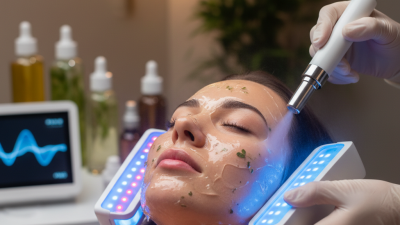
What are the 2026 best facial aesthetics products? The answer is becoming more complex than a simple bestseller list. Today’s market includes professional injectables, medical-grade skincare, energy-based devices, and recovery products. Each category serves a different concern, from fine lines and uneven texture to dryness and loss of firmness.
This guide examines facial aesthetics products through evidence, safety, formulation quality, and real-world usability. It considers whether ingredients are clearly disclosed, whether clinical studies support their claims, and whether products meet relevant regulatory requirements. Professional treatments should be assessed by qualified, licensed practitioners, not chosen from attractive packaging alone. A consultation remains essential, especially for sensitive skin, allergies, pregnancy, or previous treatment complications.
Small details matter. A cleanser should leave skin comfortable, not tight. A post-treatment cream should support the barrier without unnecessary fragrance. A device should include clear instructions, realistic settings, and credible safety information. Results should also be judged over time, using consistent lighting and photographs rather than memory.
There is no perfect ranking.
Some highly promoted products may have limited independent evidence. Others may perform well but remain unsuitable for certain skin types. This guide acknowledges those gaps instead of presenting certainty where it does not exist. It also separates professional procedures from at-home products, helping readers understand realistic benefits, possible limitations, and appropriate expectations. By combining expert guidance, transparent research, and practical user experience, the following overview explores which 2026 options may deserve attention—and which claims deserve more careful questioning.
Defining Facial Aesthetics Products and Their Main Categories
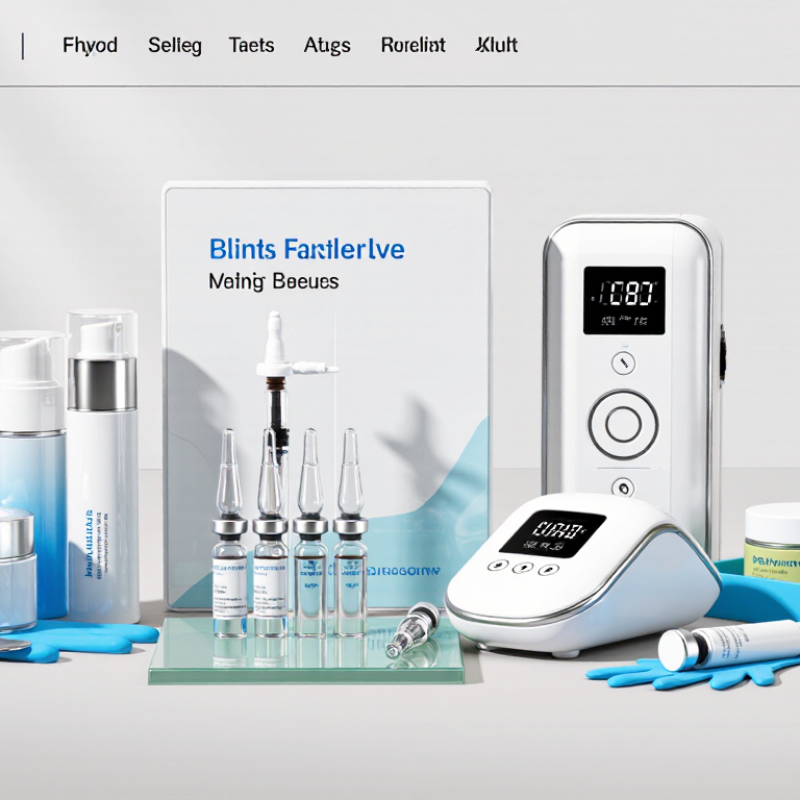
Facial aesthetics products are items designed to improve the appearance, comfort, or resilience of facial skin. They include everyday skincare and products used during professional aesthetic care. The term does not automatically mean medical treatment. A qualified practitioner should assess stronger products, especially those affecting sensitive or damaged skin.
The main categories are easy to recognize. Cleansers remove makeup, oil, and surface debris without excessive dryness. Treatment products may contain retinoids, exfoliating acids, antioxidants, or pigment-support ingredients. Moisturizers strengthen the skin barrier and reduce tightness. Sunscreens help limit damage from ultraviolet exposure. Post-procedure products focus on gentle cleansing, hydration, and temporary protection. Some cosmetic products also blur redness or uneven texture. Categories can overlap.
In 2026, careful product selection should consider ingredients, concentration, packaging, testing, and local regulations. “Advanced” does not always mean better. A short ingredient list may still irritate reactive skin. Patch testing is sensible, but it cannot predict every response. Personal experience matters, yet it can mislead us. Skin may feel smoother while becoming unusually dry. Professional guidance becomes important when persistent redness, swelling, pain, or peeling appears. Product claims should be checked against credible clinical evidence, not only dramatic before-and-after images.
What Are the 2026 Best Facial Aesthetics Products?
Facial aesthetics products are non-surgical products used to temporarily relax muscles, restore facial volume, improve contours, or stimulate collagen. The chart compares common product categories by their typical duration of visible effect; actual results vary by treatment area, product formulation, dosage, and individual response.
How to read the chart: Longer duration does not automatically mean a product is better. Hyaluronic acid products are commonly selected for reversible volume restoration, botulinum toxin products for temporary muscle relaxation, calcium hydroxylapatite for contouring and structural support, and poly-L-lactic acid for gradual collagen stimulation. A licensed medical professional should determine suitability and safety.
Typical duration estimates are based on public safety and product information from the U.S. Food and Drug Administration and the American Society of Plastic Surgeons. They are general ranges, not treatment guarantees.
Key Ingredients and Technologies in 2026 Facial Aesthetics
In 2026, the strongest facial aesthetics products combine proven ingredients with measurable technologies. The ISAPS 2023 Global Survey recorded over 19 million nonsurgical aesthetic procedures worldwide. That demand reflects a shift toward gradual, lower-downtime care. However, popularity is not proof of effectiveness.
Retinoids remain valuable for improving fine lines and uneven texture. Vitamin C supports antioxidant protection, while niacinamide may help barrier function and visible redness. Peptides are promising, but their results depend heavily on formulation and concentration. Ceramides and hyaluronic acid provide practical support, especially after energy-based treatments. Skin felt calmer in my experience, but individual responses varied.
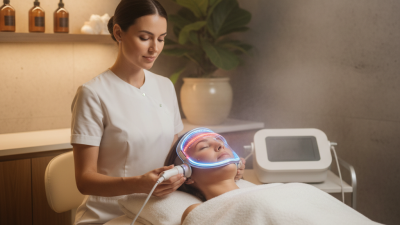
Technology is becoming more precise. Fractional laser systems, radiofrequency microneedling, and focused ultrasound now use controlled energy delivery and improved imaging. The American Society for Dermatologic Surgery’s recent consumer research shows continued interest in minimally invasive treatments, but consumers also report concerns about cost and safety. That matters. A device can appear advanced while lacking strong independent evidence. Artificial intelligence may improve facial assessment, yet it cannot replace clinical judgment, skin history, or informed consent. Professional guidance remains essential, particularly for sensitive skin, pigmentation disorders, and combined procedures.
What Are the 2026 Best Facial Aesthetics Products? - Key Ingredients and Technologies in 2026 Facial Aesthetics
Evidence-informed overview of commonly used facial-aesthetic ingredients, delivery systems, and professional technologies. Suitability depends on skin type, medical history, and treatment goals.
| Product or Treatment Category | Key Ingredient or Technology | Typical Formulation or Treatment Parameters | Main Aesthetic Benefits | Best-Suited Concerns | Evidence Level | Important Considerations |
|---|---|---|---|---|---|---|
| Daily Broad-Spectrum Sunscreen | Zinc oxide, titanium dioxide, or modern organic UV filters | Broad-spectrum SPF 30 or higher; water-resistant formulas are useful for outdoor exposure | Helps prevent photoaging, uneven pigmentation, collagen breakdown, and worsening of post-procedure discoloration | Sun spots, fine lines, loss of firmness, post-inflammatory hyperpigmentation | Strong | Apply generously and reapply during prolonged outdoor exposure. Tinted formulas containing iron oxides may provide additional visible-light protection for some pigmentation concerns. |
| Retinoid Renewal Products | Retinol, retinaldehyde, or prescription retinoic acid | Leave-on products commonly range from low to moderate strengths; prescription options require professional assessment | Supports collagen production, normalizes cell turnover, and improves the appearance of fine lines and uneven texture | Wrinkles, rough texture, acne, enlarged-looking pores, uneven tone | Strong | Begin gradually with moisturizer support. Irritation and increased sun sensitivity may occur. Retinoids are generally avoided during pregnancy unless specifically cleared by a healthcare professional. |
| Antioxidant Brightening Serum | L-ascorbic acid, often supported by vitamin E and ferulic acid | Stable, air-restrictive packaging is important; acidic formulas are commonly used in the morning under sunscreen | Helps neutralize oxidative stress, support collagen formation, and improve the appearance of dull or uneven skin | Photodamage, dullness, fine lines, uneven pigmentation | Moderate to strong | Oxidation can reduce performance, so storage and packaging matter. Stinging may occur, especially on sensitive or compromised skin. |
| Pigment-Control Treatment | Niacinamide, azelaic acid, tranexamic acid, or carefully supervised hydroquinone | Ingredient choice and strength should reflect the cause of pigmentation and the user’s tolerance | Helps reduce the appearance of excess melanin and supports a more even-looking complexion | Melasma, post-inflammatory hyperpigmentation, age spots, uneven tone | Moderate to strong | Daily sunscreen is essential. Persistent or changing pigmented lesions should be assessed by a qualified clinician before cosmetic treatment. |
| Barrier-Repair Moisturizer | Ceramides, cholesterol, fatty acids, glycerin, and panthenol | Fragrance-free cream or lotion selected according to skin oiliness and sensitivity | Reduces moisture loss, improves comfort, and supports tolerance of active ingredients or aesthetic procedures | Dryness, sensitivity, irritation, compromised skin barrier | Strong | Particularly useful after exfoliation, laser procedures, microneedling, or retinoid irritation. Avoid applying products to open or infected skin unless directed. |
| Hydrating Skin-Plumping Serum | Hyaluronic acid, glycerin, beta-glucan, and ectoin | Multi-molecular-weight humectant systems are often combined with an occlusive moisturizer | Provides temporary surface hydration and a smoother, more supple appearance | Dehydration lines, tightness, rough texture, post-treatment dryness | Moderate | Hydrating serums do not replace injectable volumization. Applying a moisturizer over humectants can help reduce moisture loss in dry environments. |
| Peptide-Support Formula | Signal peptides, copper peptides, or peptide blends | Leave-on formulas with concentrations that vary substantially by peptide type and formulation | May support the appearance of firmness, elasticity, and fine lines as part of a consistent routine | Early signs of aging, loss of suppleness, fine lines | Moderate to limited | Clinical results are generally more modest than those associated with sunscreen and retinoids. Avoid assuming that every peptide blend has the same evidence. |
| Chemical Exfoliation Product | Alpha-hydroxy acids, polyhydroxy acids, or salicylic acid | Lower strengths are commonly used in home care; professional peels require controlled concentration, contact time, and aftercare | Improves surface smoothness, radiance, and the appearance of clogged pores | Rough texture, dullness, mild acne, superficial uneven tone | Strong | Overuse can cause irritation and pigmentary changes. Avoid combining multiple strong exfoliants with retinoids without professional guidance. |
| Neuromodulator Injection | Temporary inhibition of targeted muscle contraction through botulinum neurotoxin | Injection sites and dose are individualized by a licensed medical professional | Softens dynamic lines and can refine selected facial contours or muscle-related concerns | Forehead lines, glabellar lines, lateral eye lines, selected facial muscle prominence | Strong | Results are temporary and technique-dependent. Possible effects include bruising, headache, asymmetry, or unwanted muscle weakness; medical contraindications must be reviewed. |
| Hyaluronic-Acid Dermal Filler | Cross-linked hyaluronic-acid gel with reversible volume and contour support | Product rheology, injection plane, amount, and anatomical region are selected by a qualified injector | Restores selected facial volume, improves contour, and can soften static folds | Cheek volume loss, lip enhancement, facial contouring, selected folds | Strong | Vascular occlusion is a rare but serious risk. Treatment should be performed only by an appropriately trained medical professional with an emergency management plan. |
| Microneedling | Controlled creation of superficial microchannels to stimulate wound-healing responses | Needle depth and treatment frequency depend on the anatomical area, indication, and professional protocol | Can improve the appearance of acne scars, fine lines, and uneven texture over a series of treatments | Atrophic acne scars, texture irregularity, fine lines | Moderate to strong | Temporary redness, swelling, pinpoint bleeding, infection, and post-inflammatory hyperpigmentation are possible. Active infection or uncontrolled inflammatory disease should be addressed first. |
| Fractional Laser Resurfacing | Fractionated ablative or non-ablative laser energy creating controlled columns of thermal injury | Wavelength, energy, density, and downtime vary according to the device and treatment goal | Stimulates remodeling and can improve texture, scars, fine lines, and selected pigmentation concerns | Photodamage, acne scars, wrinkles, uneven texture | Strong | Requires careful skin-type assessment and strict aftercare. Darker skin tones may have a higher risk of pigmentary complications if parameters are unsuitable. |
| Radiofrequency Skin Tightening | Monopolar, bipolar, or fractional radiofrequency heating of dermal tissue | Energy level, temperature monitoring, and treatment intervals should be professionally controlled | May produce gradual improvement in the appearance of mild laxity through dermal heating and remodeling | Mild facial laxity, early loss of firmness, selected texture concerns | Moderate | Results are typically gradual and more subtle than surgical lifting. Burns, pain, swelling, and unwanted fat changes are possible with inappropriate use. |
| LED Photobiomodulation | Non-thermal red and near-infrared light; blue light may target acne-related bacteria | Repeated sessions using controlled wavelength, intensity, and exposure time | May support mild inflammatory acne management and improve the appearance of redness or fine lines over time | Mild acne, redness, early photoaging, post-procedure support | Moderate | Eye protection and consistent use are important. Photosensitizing medication, light-sensitive disorders, or implanted devices may require medical clearance. |
| Focused Ultrasound Treatment | Microfocused or macrofocused ultrasound producing controlled thermal coagulation at selected depths | Depth, energy, and treatment pattern are chosen according to anatomy and indication | May provide gradual improvement in mild-to-moderate skin laxity through collagen remodeling | Jawline laxity, neck laxity, brow-area laxity | Moderate | Discomfort, temporary swelling, numbness, or nerve-related effects are possible. It is not a substitute for surgical lifting or significant volume restoration. |
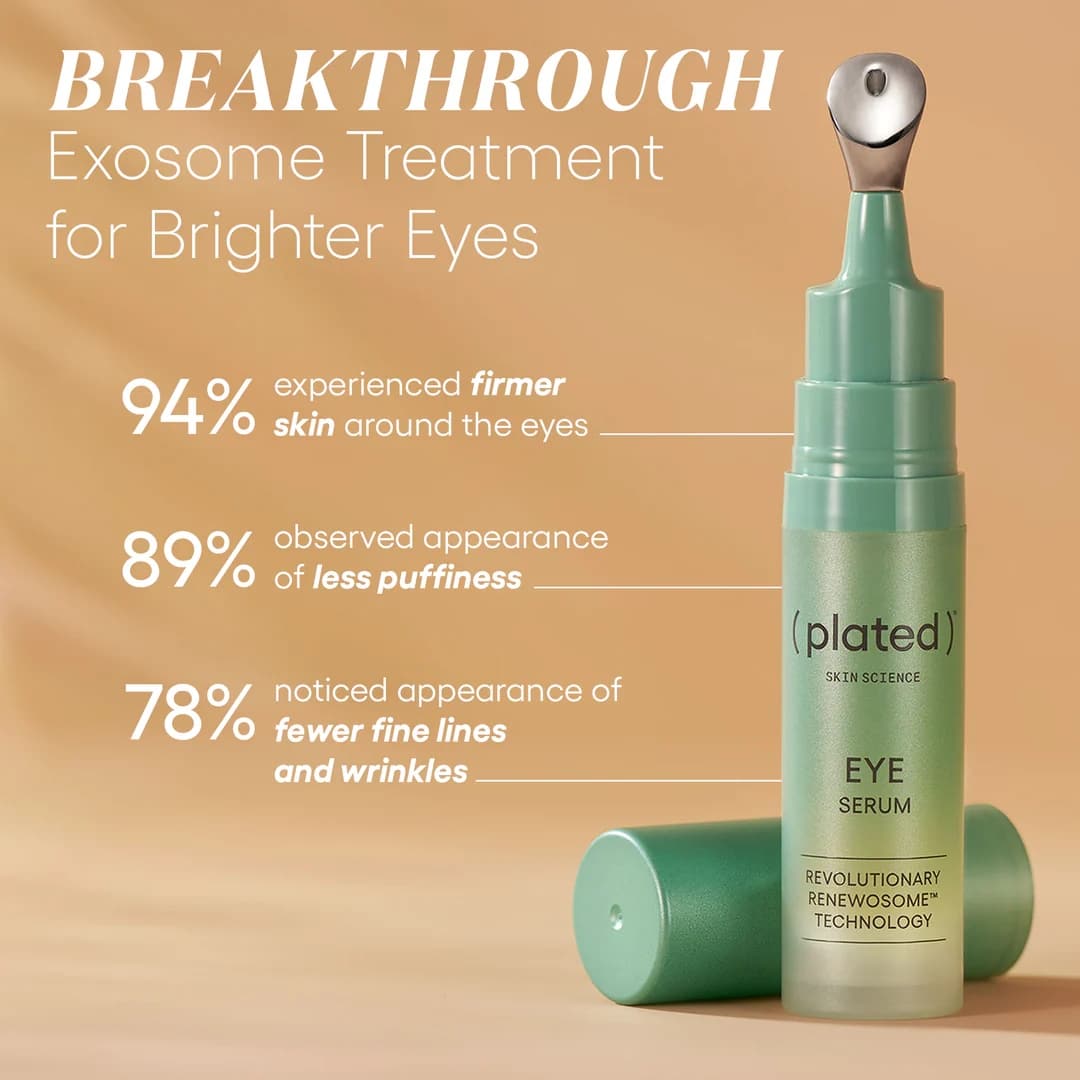
| Growth-Factor or Conditioned-Media Topical Formula | Cell-signaling proteins or conditioned-media components used in topical formulations | Source, purification, stability, and regulatory status vary widely; evidence is formulation-specific | May support the appearance of skin recovery, hydration, and fine lines in selected professional protocols | Post-procedure care, early photoaging, texture concerns | Emerging | Marketing claims can exceed clinical evidence. Product quality, ingredient disclosure, storage, and use on compromised skin should be carefully evaluated. |
Safety note: Cosmetic ingredients and aesthetic procedures do not have identical evidence or risk profiles. Injectable treatments, prescription products, lasers, radiofrequency, ultrasound, and professional peels should be selected and performed by qualified healthcare professionals after an individualized consultation.
How to Evaluate Safety, Quality, and Clinical Evidence
What Are the 2026 Best Facial Aesthetics Products?
How to Evaluate Safety, Quality, and Clinical Evidence
The best facial aesthetics products are not simply the newest or most visible online. They should have clear ingredients, consistent manufacturing, and transparent safety information. Check the product’s intended use, storage conditions, expiration date, and instructions for professional application. Small details matter, such as intact packaging and accurate batch information. A trustworthy clinic should explain realistic results, possible side effects, and who should avoid treatment.
Clinical evidence deserves closer attention. Look for peer-reviewed studies with meaningful follow-up periods, not only attractive before-and-after photographs. Consider the number of participants, the study design, and whether complications were reported honestly. Evidence from a small trial may be useful, but it cannot answer every question. Regulatory clearance or approval can also vary by country, so local requirements matter.
Professional judgment remains essential. A qualified practitioner should review allergies, medications, previous procedures, skin conditions, and personal expectations. Ask what happens if results are uneven or irritation develops. No product is risk-free. I would not treat a polished website as proof of quality, and I would question claims promising permanent perfection. Even strong evidence can be incomplete, especially for newer formulations. The safest choice may be a less dramatic product supported by better data and careful follow-up.
Comparing 2026 Products by Skin Concern and Treatment Goal
In 2026, the best facial aesthetics products should be judged by skin concern and treatment goal, not popularity. For dryness, barrier-focused formulas with ceramides, glycerin, and squalane may reduce tightness. Choose fragrance-free options when sensitivity is present. Small changes matter.
For blemish-prone skin, salicylic acid may help manage excess oil, while niacinamide can support a calmer appearance. Dark spots need patience; sunscreen remains essential, and pigment care should avoid aggressive layering. For fine lines, retinoid-based products have stronger evidence than many instant-lift claims, but irritation can disrupt progress. Start slowly. A licensed dermatologist can adjust strength, frequency, and suitability.
After a professional aesthetic treatment, the goal changes from correction to recovery. Gentle cleansing, adequate moisture, and daily broad-spectrum sun protection are often safer than exfoliating acids. Product choice should reflect the procedure, healing stage, and medical history. I would not rank one formula for every face. Skin reacts unpredictably, and even a well-researched ingredient can disappoint. Patch testing is useful, though it cannot predict every reaction. Reliable guidance depends on transparent ingredient lists, realistic claims, and qualified clinical assessment.
Choosing and Using Facial Aesthetics Products Responsibly
What Are the 2026 Best Facial Aesthetics Products?
Choosing and Using Facial Aesthetics Products Responsibly
The best facial aesthetics products are not always the newest or most expensive. They should match your skin condition, treatment goals, and professional advice. A licensed clinician can assess sensitivity, pigmentation, acne, scarring, and previous reactions before recommending active ingredients. Read the label. Check the concentration, expiry date, storage instructions, and contact details of the manufacturer. Clear information supports safer decisions.
Apply one new product at a time. This makes reactions easier to identify. Test a small amount on the inner forearm or behind the ear, following professional guidance. Wait before applying it across your face. Keep products away from the eyes, broken skin, and mucous membranes unless specifically approved. Wash your hands first. Do not rush.
Responsible use also means respecting realistic results. A topical product may improve hydration or texture, but it cannot replace diagnosis or clinical treatment. Stronger formulas can cause redness, burning, peeling, or lasting sensitivity when used too often. Stop using a product if symptoms worsen, and seek medical advice for swelling, breathing difficulty, or persistent irritation. Avoid unverified sellers, damaged packaging, and products promising instant transformation.
I have seen how appealing dramatic claims can feel, especially before an event. That pressure can lead to overuse. Even careful routines can fail when instructions are vague or ignored. Keep a simple record of application dates, reactions, and other skincare products. Review that record with a qualified professional when your skin changes.
Related Posts
-
China Best Facial Today Trends and Innovations in Skincare?
-

Top 10 Benefits of Visiting a Skin Bar: Elevate Your Skincare Routine Today!
-
Top Spa Skin Care Trends You Need to Know About
-

What is the best skin care solutions for all skin types?
-
2026 Top Skin Spa Trends You Need to Know about
-
Revitalize Your Skin with the Ultimate Face Spa Techniques for Glowing Results