
Skip to content
Policy FAQ
   
(908) 210-9335
   
Now Available: Cherry Payment Plans!
Are you interested in paying in installments with Cherry payment plans? Get pre-approved today! Applying won’t harm your credit!
graphical user interface, website

How to Find the Best Skin Care Solutions for Your Unique Needs?

In today’s beauty industry, finding the right skin care solutions can feel overwhelming. With millions of products on the market, consumers often struggle to make informed choices. According to a report by Statista, the global skin care market is projected to reach over $180 billion by 2024. This growing demand highlights the need for personalized skin care.

Dr. Ava Shamban, a renowned dermatologist, emphasizes the importance of tailored solutions. She states, "Understanding your skin type is crucial for effective care." The challenge lies in navigating products that suit individual needs, as skin types can vary dramatically. From dryness to oiliness, everyone has different requirements.

Moreover, a one-size-fits-all approach often does not yield satisfactory results. Many consumers find themselves experimenting endlessly. This often leads to dissatisfaction and frustration. As skin care continues to evolve, it is essential to reflect on personal needs rather than follow trends blindly. Adopting a more mindful and tailored approach to skin care can ultimately lead to healthier, happier skin.
How to Find the Best Skin Care Solutions for Your Unique Needs?

Understanding Your Skin Type and Its Specific Needs

Understanding your skin type is essential for effective skin care. Research indicates that 60% of individuals use products incompatible with their skin type, leading to irritation or minimal results. Knowing if your skin is oily, dry, combination, or sensitive can help you choose suitable products. For example, oily skin may benefit from lightweight, oil-free moisturizers. In contrast, dry skin often requires rich, hydrating creams.

It's essential to pay attention to your skin's specific needs. Data suggests that 70% of people overlook seasonal changes in their skin. For instance, skin might become dry in winter, needing more moisture. Meanwhile, summer can trigger oiliness and acne. Alongside this, factors like age, diet, and stress play a role in your skin's condition. These variables require regular assessments of your skin care routine.

Ultimately, developing a personalized regimen takes time and trial. Many people find what works off the shelf, but personal skin issues often remain unaddressed. Reflecting on past failures in product choice can be enlightening. Embrace the unique characteristics of your skin, and you may discover the best solutions tailored to your needs.

How to Find the Best Skin Care Solutions for Your Unique Needs? - Understanding Your Skin Type and Its Specific Needs

Skin Type Characteristics Recommended Ingredients Common Concerns
Oily Shiny appearance, larger pores Salicylic Acid, Niacinamide Acne, Blackheads
Dry Flaky, tight, rough texture Hyaluronic Acid, Glycerin Eczema, Irritation
Combination Oily in T-zone, dry on cheeks Rosewater, Jojoba Oil Mixed issues
Sensitive Easily irritated, redness Chamomile, Aloe Vera Rashes, Red Spots
Normal Balanced moisture, few imperfections Vitamin C, Peptides Aging, Dullness

Identifying Common Skin Concerns and Their Solutions

Skin concerns vary greatly among individuals. Identifying your specific issues is the first step. Many people struggle with dryness, acne, or sensitivity. Each problem requires a tailored approach. For instance, dry skin often needs extra hydration. Look for moisturizers that contain humectants. They attract moisture to the skin.


Acne is another common issue. This condition may stem from excess oil or clogged pores. A gentle exfoliating routine can help. Consider using products with salicylic acid or glycolic acid. Essential oils may also provide relief, but test them first. Remember, not all solutions suit everyone. A trial-and-error method can help you find what works.


Sensitive skin can react to many products. Ingredients like fragrances or alcohol often cause irritation. Opt for fragrance-free options. Always perform a patch test before applying new products to your face. It's important to listen to your skin. Adjust your routine based on its reactions. Regularly evaluate your skincare products—what worked last month might not work this month.

Evaluating Ingredients for Effective Skin Care Products

How to Find the Best Skin Care Solutions for Your Unique Needs?

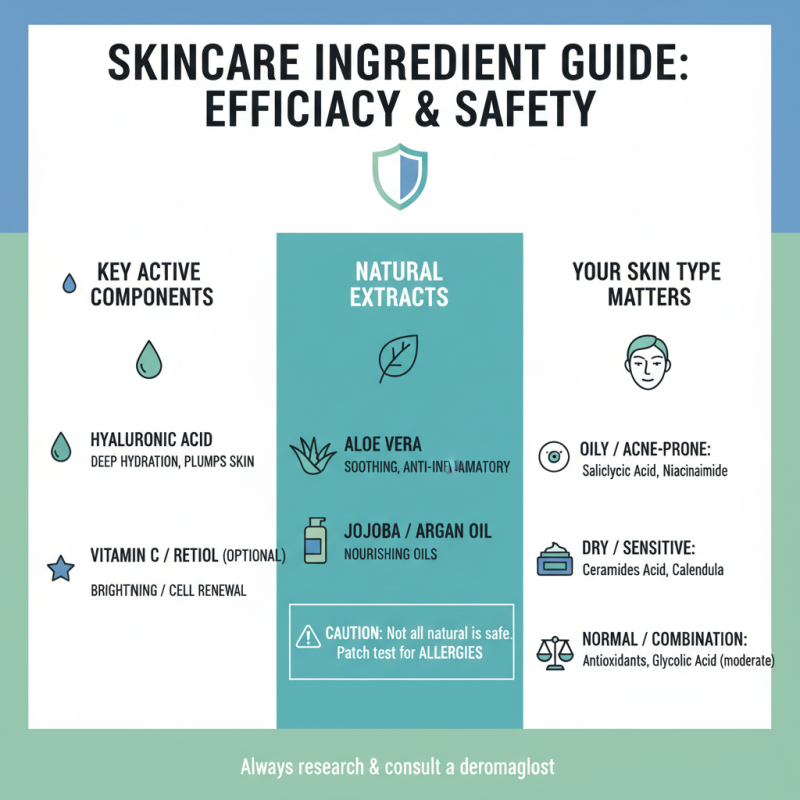
When evaluating ingredients for effective skin care products, it’s crucial to look for both efficacy and safety. You might want to check for active components like hyaluronic acid, which provides hydration. Natural extracts, such as aloe vera, can soothe the skin. However, not all natural is safe for everyone. Some could trigger allergic reactions. Knowing your skin type can guide you in selecting the right ingredients.

Another important consideration is the product’s pH balance. A product too acidic or too alkaline can disrupt the skin barrier. This can lead to irritation or breakouts. Reading ingredient lists carefully is essential. Look for common irritants like alcohol and synthetic fragrances. They can cause more harm than good for sensitive skin.

Lastly, pay attention to how a product feels on your skin. A heavy cream may not blend well for oily skin types, while a lightweight gel might not provide enough moisture for dry skin. Reflecting on your skin’s needs is vital. Personal experiences can inform your choices better than marketing claims. Skin care is not one-size-fits-all; it requires patience and trial and error.

Developing a Personalized Skin Care Routine

Creating a personalized skin care routine is essential for achieving healthy skin. Start by identifying your skin type: oily, dry, or combination. This knowledge forms the basis of your routine. Pay attention to your skin's response. If a product irritates your skin, reassess its ingredients.


Tips: Always patch-test new products. Apply a small amount to your wrist and wait 24 hours. If there’s no reaction, it may be safe for your face.


Consider your lifestyle. Environmental factors play a role in skin health. If you live in a dry climate, your skin may require more hydration. Experiment with different moisturizers. Keep track of how your skin reacts over time.


Tips: Adjust your routine with the seasons. You might need lighter products in summer and richer ones in winter. Listen to your skin; it can change with age or stress. Regularly evaluate your routine for effectiveness.

Consulting Professionals for Tailored Recommendations

How to Find the Best Skin Care Solutions for Your Unique Needs?

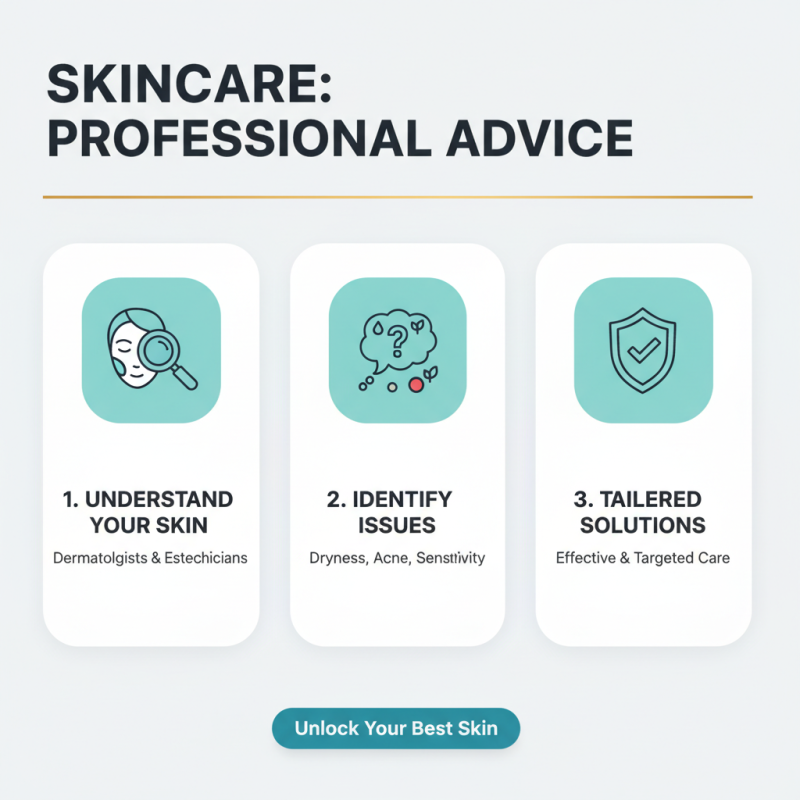
When it comes to skin care, professional advice can be invaluable. Consulting with dermatologists or estheticians helps you understand your unique skin needs. They can identify specific issues like dryness, acne, or sensitivity. This tailored approach leads to more effective solutions.

Here are some tips to maximize your consultations. Write down your skin concerns before the appointment. This ensures you don't forget any important details. Ask about products or treatments that suit your skin type. Don't hesitate to discuss your budget; it will help in finding the right options.

It’s essential to reflect on your habits too. What’s your daily routine like? Are you using too many products? Simplicity can often be the key. Take notes during your consultation and follow up with questions later. It's a learning process, and your skin may need time to adjust to new products or routines.

Back To Top Skip to content