
How to Choose the Best Skin Facial for Your Skin Type?
Choosing the right skin facial for your skin type can be challenging. Every individual has unique skin needs. A suitable facial can enhance your complexion and boost your confidence. However, not all facials are created equal. They vary in ingredients, techniques, and purposes.
Consider your skin type carefully. Is it oily, dry, or sensitive? Each type reacts differently to treatments. For instance, a hydrating facial benefits dry skin, while a purifying facial suits oily skin. Experimenting can lead to disappointing results. Understanding your skin is essential. It’s a journey of self-discovery, not a quick fix.
Reflect on past experiences with skin facials. Did you feel good afterward? Did you notice improvements? Sometimes, what works for others may not work for you. Trust your instincts. It’s about finding harmony with your skin, not just following trends. Take your time and choose wisely.
Understanding Different Skin Types: A Comprehensive Overview
Understanding your skin type is essential for effective skincare. There are four main types: oily, dry, combination, and sensitive. Oily skin often appears shiny and may have enlarged pores. Dry skin can feel tight and may show flakiness. Combination skin features both oily and dry areas. Sensitive skin is prone to redness and irritation.
For oily skin, a facial focusing on oil control can help. Products with exfoliating properties can clear pores. For dry skin, look for hydrating facials that nourish and replenish moisture. Creamy textures often work best. Combination skin may require a customized approach, addressing both oily and dry areas.
Sensitive skin deserves extra care. Choose calming facials with soothing ingredients. Remember, everyone's skin is unique. What works for one may not work for another. Experimenting is key, but ensure to patch-test new products. Reflect on your skin's reactions. Adjust your routine based on what you observe. This journey requires patience and awareness.
How to Choose the Best Skin Facial for Your Skin Type?
| Skin Type | Recommended Facials | Key Ingredients | Benefits |
|---|---|---|---|
| Oily | Deep Cleansing Facial | Salicylic Acid, Tea Tree Oil | Controls oil, Prevents acne |
| Dry | Hydrating Facial | Hyaluronic Acid, Glycerin | Increases hydration, Improves elasticity |
| Combination | Balancing Facial | Lactic Acid, Aloe Vera | Balances oil and moisture, Soothes irritation |
| Sensitive | Soothing Facial | Chamomile, Calendula | Reduces redness, Calms irritation |
| Normal | Rejuvenating Facial | Vitamin C, Antioxidants | Enhances glow, Fights aging |
Key Ingredients to Look for in Facial Treatments Based on Skin Type
Choosing the right facial treatment for your skin type can be tricky. Each skin type has unique needs. Understanding key ingredients is vital.
For oily skin, look for products containing salicylic acid. It helps control excess oil and unclogs pores. Tea tree oil is also effective. It has natural antibacterial properties. For those struggling with acne, these ingredients can make a noticeable difference.
Dry skin requires hydration. Ingredients like hyaluronic acid and glycerin are essential. They draw moisture to the skin. Look for nourishing oils like jojoba or almond oil. They provide added comfort and softness. Remember, not every product will work perfectly for everyone. Patch testing is crucial. It’s okay if a trial leads to irritation or unexpected results. Learn from it, and adjust accordingly.
Sensitive skin should focus on calming ingredients. Look for aloe vera or chamomile. These components soothe irritation. However, avoid products with heavy fragrances. They may exacerbate sensitivity. Always read labels carefully. Your skin will thank you for it.
Professional Recommendations: How Dermatologists Guide Facial Choices
When it comes to selecting a facial treatment suited for your skin type, professional advice is invaluable. Dermatologists often stress the importance of understanding your individual skin needs. They recommend starting with a comprehensive skin evaluation. This can uncover underlying issues like dryness, acne, or sensitivity.
Tips: Always pay attention to your skin’s reaction. It may take time to identify what works best. Regular consultations with skincare professionals can sharpen your choices. Moreover, don’t be surprised if your needs change. Skin can evolve due to various factors like age, climate, or even stress.
It's essential to remain open-minded. Not every treatment will yield immediate results, and that’s okay. Sometimes, a certain facial may irritate your skin, leading to further questions. Reflecting on these experiences can guide you toward better choices in the future. Listening to your skin is key; it often tells you what it truly needs.
The Importance of Skin Analysis Before Choosing a Facial Treatment
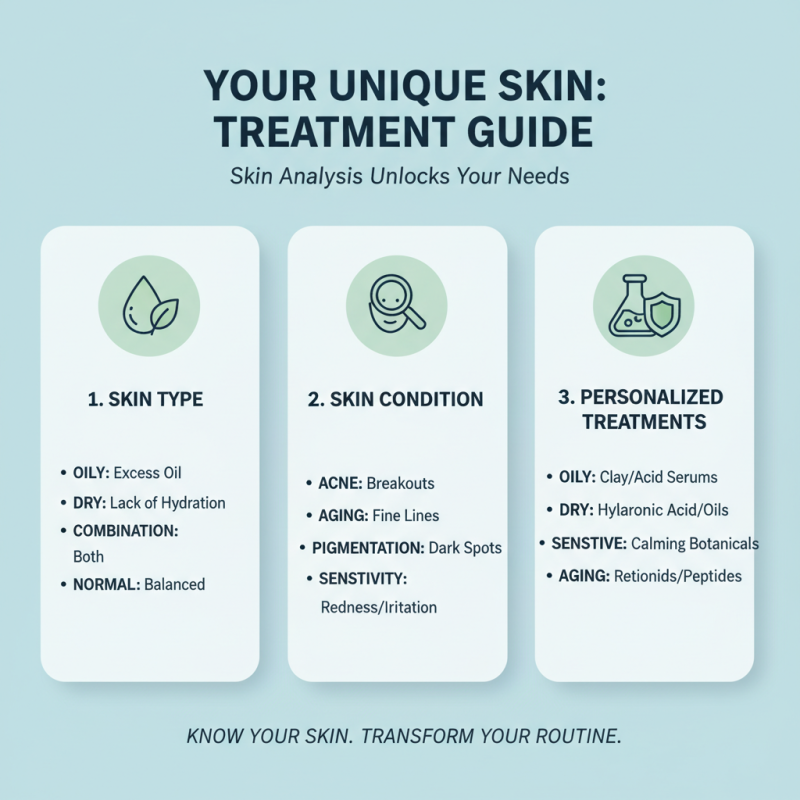
Understanding your skin is crucial before selecting a facial treatment. Skin analysis provides insights into your specific needs. Factors like skin type, condition, and sensitivity play vital roles. For instance, oily skin may require treatments that balance excess oil. Dry skin usually benefits from deep hydration.
During a skin analysis, professionals look for problem areas. They examine texture, tone, and visible concerns. A thorough assessment helps identify specific issues, such as acne or hyperpigmentation. This process isn’t always straightforward. Sometimes, the skin can react unexpectedly. What seems like a minor issue might conceal a deeper concern.
Choosing a facial without this analysis can lead to unsatisfactory results. You might choose a treatment that doesn't address your real needs. This can be frustrating and disappointing. Investing time in skin analysis is worthwhile. It opens the door to personalized treatments. Tailored facials can promote healthier skin and enhance your overall experience.
Evaluating Product Efficacy: The Role of Clinical Research and Data
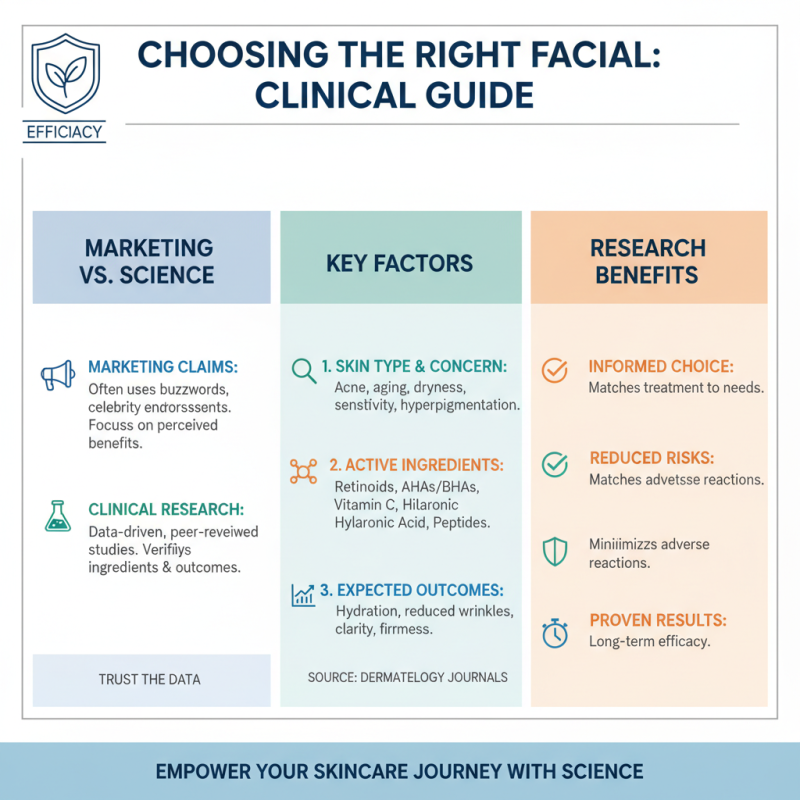
Choosing the right skin facial can feel overwhelming. Many consumers rely on marketing claims, yet understanding product efficacy is crucial. Clinical research plays a pivotal role here. It provides valuable data about how treatments work and who they benefit the most.
Often, studies involve diverse skin types to ensure results are valid. This data helps dermatologists recommend specific facials tailored to individual needs. However, not all products are tested extensively. Sometimes, smaller studies yield limited conclusions. This can mislead consumers about what to expect.
It’s also vital to reflect on personal skin reactions. A facial that works for one person might not work for another. Keeping a skincare journal can help track outcomes. Noticing patterns is key. The goal is to find a treatment that genuinely improves your skin. Embrace experimentation and be open to adjusting your routine based on informed insights.
Related Posts
-
Unlock Radiant Skin: How Esthetician Facial Machines Transform Your Beauty Routine
-
Why You Need a Skin Esthetician for Your Ultimate Skincare Routine: Expert Tips and Benefits
-

Top 10 Benefits of Visiting a Skin Bar: Elevate Your Skincare Routine Today!
-

10 Best Facial Spa Techniques for Glowing Skin You Need to Try Now
-
Top 10 Essential Tips for Effective Skin Facial Care at Home
-

How to Find the Best Skin Care Solutions for Your Unique Needs?