
Skip to content
Policy FAQ
   
(908) 210-9335
   
Now Available: Cherry Payment Plans!
Are you interested in paying in installments with Cherry payment plans? Get pre-approved today! Applying won’t harm your credit!
graphical user interface, website

How to Choose the Right Facial Therapy for Your Skin Type and Concerns

When it comes to skincare, selecting the appropriate facial therapy is essential for achieving healthy, radiant skin. With a diverse array of treatments available, it can be overwhelming to determine which therapy best suits your individual skin type and concerns. Understanding the nuances of different facial therapies is crucial in order to address issues such as dryness, acne, aging, or sensitivity effectively.

In this guide, we will explore the fundamental aspects of various facial therapies, providing insights into how they align with specific skin conditions. From deep-cleansing facials to hydrating and anti-aging treatments, each therapy serves distinct purposes and utilizes unique techniques. By learning about these options, you will be better equipped to make informed decisions that cater to your skin's needs, promoting overall well-being and complexion enhancement.

Ultimately, the journey to healthier skin begins with the right facial therapy tailored to your unique requirements. Whether you are seeking relaxation and rejuvenation or targeting specific skin concerns, understanding the available therapies will empower you on your skincare journey.

How to Choose the Right Facial Therapy for Your Skin Type and Concerns

Understanding Different Skin Types and Their Unique Needs
How to Choose the Right Facial Therapy for Your Skin Type and Concerns

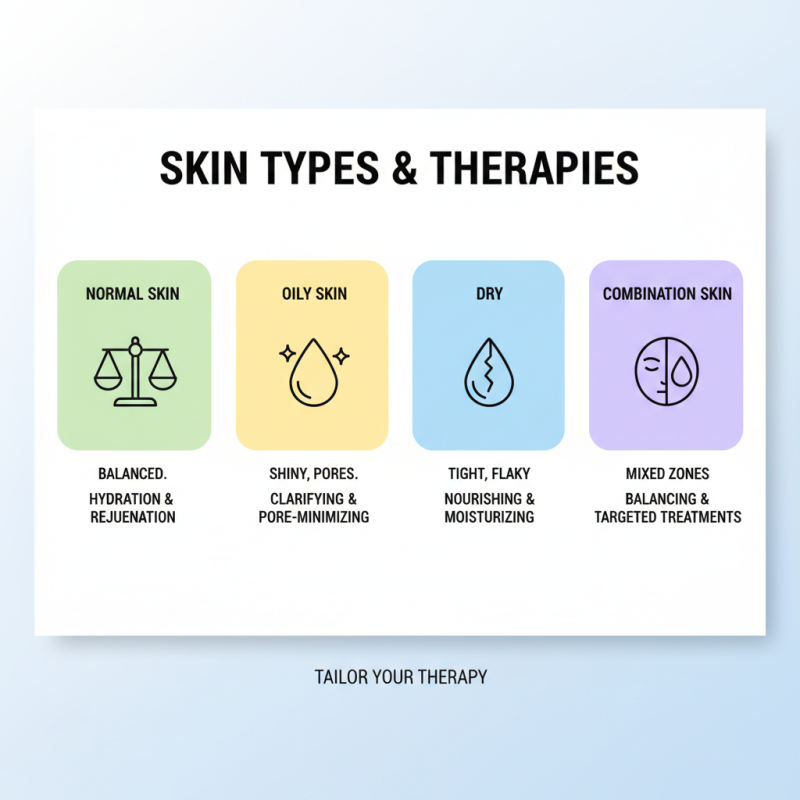
Understanding different skin types and their unique needs is crucial when selecting the right facial therapy. Our skin can typically be categorized into four main types: normal, oily, dry, and combination. Each type has its own characteristics and requires tailored treatments to address specific concerns effectively. For instance, normal skin often enjoys a balanced level of moisture and oil, making it more adaptable to various therapies without adverse reactions. Individuals with normal skin can benefit from maintenance treatments that focus on hydration and rejuvenation.

On the other hand, oily skin tends to produce excess sebum, leading to enlarged pores and a shiny appearance. This skin type can benefit from therapies that incorporate exfoliation and deep cleansing to prevent breakouts and remove excess oil. Dry skin, characterized by a lack of moisture, often feels tight and may flake. Facial treatments that include hydrating ingredients and nourishment are essential for restoring moisture balance in this skin type. Lastly, combination skin exhibits traits of both oily and dry skin in different areas, necessitating a multifaceted approach. Treatments that cater to the unique zones of combination skin enhance overall skin health without aggravating any specific area. By understanding these distinctions, individuals can make informed choices about the facial therapies that best suit their skin's needs.

Common Skin Concerns and How They Influence Facial Therapy Choices

Choosing the right facial therapy requires a deep understanding of common skin concerns and how they influence treatment options. According to the American Academy of Dermatology, issues such as acne, dryness, sensitivity, and aging are prevalent among various age groups, affecting up to 85% of individuals at some point in their lives. Each of these concerns necessitates a tailored approach to therapy. For instance, acne-prone skin often benefits from treatments that incorporate exfoliation and salicylic acid-based products, while dry skin may require more hydrating facials that utilize ingredients like hyaluronic acid and glycerin.

Moreover, sensitive skin requires careful selection of facial therapies to avoid irritation. A study published in the Journal of Clinical and Aesthetic Dermatology revealed that approximately 60% of individuals with sensitive skin reported flare-ups after using harsh treatments. Thus, therapies that incorporate calming ingredients like aloe vera or chamomile can be more suitable for these individuals. Ultimately, understanding the specific characteristics and needs associated with various skin concerns empowers consumers to make informed choices, ensuring that their selected facial therapy is effective and beneficial for their unique skin types.

Types of Facial Therapies: A Comprehensive Overview

When it comes to facial therapies, understanding the different types available is crucial for tailoring treatments to individual skin types and concerns. According to a 2022 report by the International Journal of Dermatology, nearly 60% of individuals seeking skincare treatments expressed difficulty in identifying suitable therapies for their specific needs. Facial therapies can be broadly categorized into several types, including hydrating facials, exfoliating treatments, anti-aging therapies, and acne-focused sessions. Each therapy is designed to target particular skin issues, making it essential to match the right treatment to the client's unique skin condition.

Hydrating facials typically use ingredients designed to restore moisture balance, making them ideal for individuals with dry or dehydrated skin, while exfoliating treatments, such as chemical peels or microdermabrasion, are effective for removing dead skin cells and promoting cell turnover. Moreover, a study published in the Journal of Cosmetic Dermatology indicated that anti-aging facials, which often incorporate peptides and antioxidants, have shown a 45% improvement in skin texture and firmness for those with mature skin. For those suffering from acne, facials that include salicylic acid or benzoyl peroxide can help address breakouts and reduce inflammation. By choosing the correct type of facial therapy, individuals can enhance their skincare routine and achieve healthier, more radiant skin.

How to Match Facial Treatments with Skin Type and Concerns

When selecting a facial therapy, it’s essential to consider your specific skin type and concerns. According to a study published by the American Academy of Dermatology, roughly 50% of adults experience some form of skin condition, with variations in skin type playing a significant role in treatment efficacy. For instance, individuals with oily skin often benefit from exfoliating facials that incorporate salicylic acid, which targets excess oil without stripping the skin of necessary moisture. In contrast, those with dry or sensitive skin may find soothing treatments with ingredients like hyaluronic acid and chamomile more beneficial, as they help to hydrate and calm irritation.

Additionally, understanding the underlying skin concerns is vital in choosing the appropriate facial. Research from the Journal of Clinical and Aesthetic Dermatology indicates that targeted treatments addressing issues such as acne, hyperpigmentation, or aging can significantly improve results. For example, individuals struggling with acne-prone skin may require facials that include deep-cleansing elements and anti-inflammatory properties to prevent breakouts. Conversely, age-related concerns might indicate the use of anti-aging facials that incorporate retinoids and antioxidants to restore elasticity and promote cell turnover. Recognizing these factors can ensure a more tailored approach, enhancing the effectiveness of your facial therapy.

Tips for Maintaining Results After Facial Therapy Sessions

Maintaining the results of facial therapy requires a consistent skincare routine that complements the treatment received. After a session, it's essential to hydrate the skin, as many therapies can leave it temporarily dry. Incorporating a high-quality moisturizer helps to lock in moisture and support the skin barrier. Additionally, integrating serums that contain antioxidants can further protect the skin from environmental stressors, enhancing the effects of the facial therapy over time.

Another critical aspect of maintaining results is sun protection. Applying a broad-spectrum sunscreen daily is crucial to safeguard the treated skin from UV damage, which can lead to premature aging and negate the benefits of your therapy. Furthermore, it’s advisable to avoid harsh skincare products, such as exfoliants or those containing strong acids, in the days following a session. Instead, opting for gentle, soothing products can help nurture the skin while it heals and recovers, ensuring that the investment in facial therapy continues to provide visible, long-lasting results.

How to Choose the Right Facial Therapy for Your Skin Type and Concerns

Skin Type Common Concerns Recommended Facial Therapy Post-Therapy Maintenance Tips
Oily Acne, Shine Clay Mask Facial Use oil-free moisturizers, avoid heavy makeup.
Dry Flakiness, Tightness Hydrating Facial Apply a thick moisturizer, hydrate from within.
Sensitive Redness, Irritation Gentle Soothing Facial Use gentle products, avoid sun exposure.
Combination Shiny T-zone, Dry cheeks Customized Facial Tailor products for each area, maintain balanced hydration.
Normal Minor blemishes Relaxing Facial Keep a regular skincare routine, use sun protection.
Back To Top Skip to content