
Skip to content
Policy FAQ
   
(908) 210-9335
   
Now Available: Cherry Payment Plans!
Are you interested in paying in installments with Cherry payment plans? Get pre-approved today! Applying won’t harm your credit!
graphical user interface, website

How to Choose the Best Radiance Skin Care Products?

Choosing the best radiance skin care products requires more than trusting a glowing advertisement. Skin radiance usually reflects hydration, even tone, smooth texture, and light reflection. It does not automatically mean healthier skin.

The global skincare market reached approximately USD 155.7 billion in 2023, according to Grand View Research’s 2024 industry analysis. Its forecast also indicates continued growth through 2030. This expansion brings more choice, but not necessarily better choices. Market growth can encourage impressive claims without equal clinical support. That assumption deserves scrutiny.

A practical selection process begins with the ingredient list and your skin’s behavior. For dull, tight skin, humectants such as glycerin and hyaluronic acid may improve visible moisture. For uneven tone, carefully formulated vitamin C, niacinamide, or azelaic acid may be relevant. Sunscreen remains essential, because ultraviolet exposure can worsen pigmentation and collagen breakdown. The American Academy of Dermatology recommends broad-spectrum sunscreen with SPF 30 or higher for daily protection.

Look closely.

Circana’s beauty industry reporting has repeatedly identified skincare as a major growth category, reflecting strong consumer interest in treatment-focused products. However, popularity is not proof of effectiveness. Patch testing, gradual introduction, and consistent use offer safer ways to evaluate a product. Fragrance, essential oils, and strong exfoliating acids may irritate sensitive skin, even when marketing describes them as “brightening.”

The best radiance skin care routine is rarely the most expensive one. It is the routine that matches your skin type, uses credible evidence, and remains comfortable enough for daily use. Results also take time. A mirror can show improvement, but it cannot replace professional assessment when persistent redness, dark patches, or irritation appears.
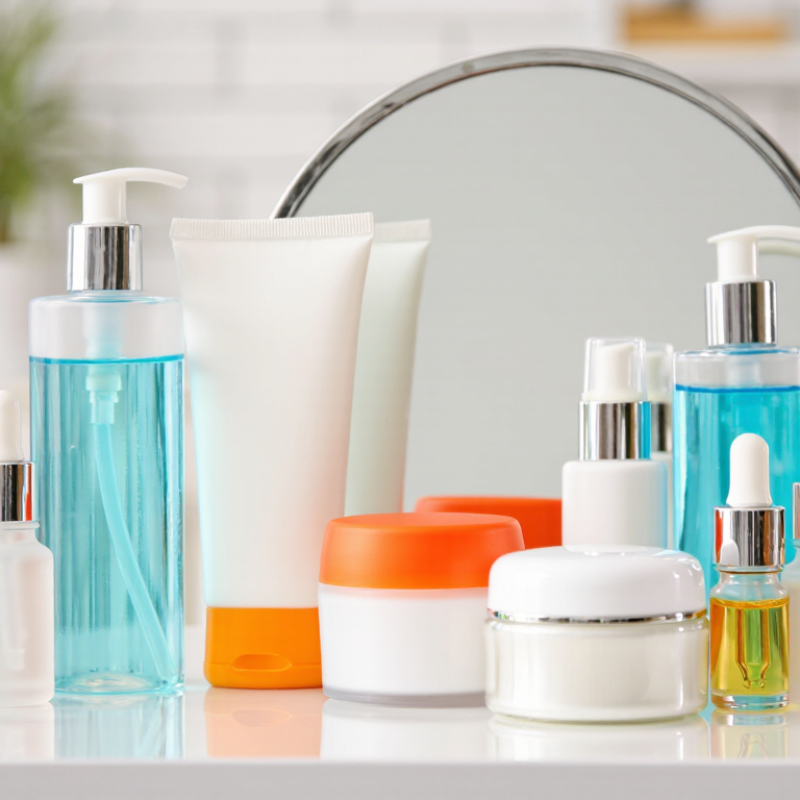
How to Choose the Best Radiance Skin Care Products?

Understanding Radiance Skin Care and Its Key Benefits

Radiance skin care is not about making skin unnaturally pale. It usually means a more even tone, smoother texture, and a healthy-looking surface. A consistent routine matters more than a crowded shelf. In my experience, skin often looks dull when dryness, dead cells, or sun exposure build up over time. The cause is not always obvious.

Look for ingredients with reasonable evidence behind them. Vitamin C may support brighter-looking skin and help protect against environmental stress. Niacinamide can improve the appearance of uneven tone and support the skin barrier. Gentle exfoliating acids may smooth rough areas, but using them too often can cause redness. Less can work better. Daily broad-spectrum sunscreen remains essential, because ultraviolet exposure can deepen discoloration and reduce visible progress.

Choose products according to your skin’s condition, not attractive promises. Dry skin may prefer creamy cleansers and barrier-supporting moisturizers. Oily skin may tolerate lightweight textures, but excessive cleansing can still trigger irritation. Patch-test new products on a small area for several days. I once assumed stronger exfoliation would bring faster results; it only made my skin feel tight and reactive. That mistake is worth remembering. Persistent dark spots, sudden changes, or painful irritation deserve professional assessment from a qualified dermatologist. Improvements are usually gradual, often taking several weeks, and individual results can differ.

Identifying Your Skin Type and Specific Brightening Needs

Choosing radiance care starts with your skin type, not a promise on the label. Dry skin often feels tight after cleansing and may show fine flakes. Oily skin can look shiny, with enlarged pores or frequent breakouts. Combination skin needs different care across the face. Sensitive skin may sting, flush, or react to fragrance. I learned this after using a rich cream on an oily T-zone. My glow looked duller, not brighter. Maybe I ignored the obvious.

Name the concern precisely. Uneven tone after acne needs a different plan from sun spots or general dullness. For post-blemish marks, gentle formulas with niacinamide or azelaic acid may help over time. Vitamin C can support a brighter appearance, but unstable formulas and poor storage reduce reliability. Exfoliating acids may smooth rough texture, yet daily use can damage a sensitive barrier. Choose one active first. Patch-test it behind the ear or on the jaw for several days. Stop if burning, swelling, or persistent redness appears. This is not a race.

For trustworthy results, use broad-spectrum sunscreen every morning. Without it, new pigment can repeatedly replace progress. Apply moisturizer according to your skin’s comfort, then adjust after two weeks. Keep a simple record of products, irritation, and changes in tone. Photos taken in the same window light are more useful than memory. A qualified dermatologist can assess stubborn pigmentation or unusual changes. Even careful routines have limits. Radiance should mean healthier-looking skin, not unnaturally pale skin.

Comparing Active Ingredients in Radiance Skin Care Products

Choosing a radiance product starts with its active ingredients, not its glossy promises. In my own routine, I learned that “brightening” can mean less dullness, a more even tone, or fewer visible dark spots. These goals need different approaches. Vitamin C may support brighter-looking skin and antioxidant protection, while niacinamide can improve uneven tone and support the skin barrier. Results vary. They are not instant.

For stubborn discoloration, alpha arbutin and tranexamic acid are often considered gentler options, but evidence and product quality still matter. Retinoids encourage skin renewal, yet dryness and irritation are common during adjustment.

Chemical exfoliants, such as lactic or glycolic acid, can smooth rough texture. Too much can backfire. I once layered an exfoliating acid with a retinoid and ignored early stinging. My skin became tight and flaky, so I now introduce one active at a time.

A radiance routine also needs broad-spectrum sunscreen, because ultraviolet exposure can deepen uneven pigmentation. Apply it daily, even beside a bright window. Check ingredient concentration, packaging, expiration information, and usage directions. Patch testing is sensible, especially for sensitive skin. A dermatologist can assess persistent or changing pigmentation. Choose consistency over intensity. The strongest formula is not automatically the best one for your face.

Checking Product Safety, Formulas, and Brand Reliability

How to Choose the Best Radiance Skin Care Products?

A brighter complexion should never depend on aggressive formulas. Check the full ingredient list before trusting a glowing claim. Look for familiar brightening ingredients, such as vitamin C, niacinamide, or azelaic acid. Their concentration and placement still matter. A long ingredient list is not automatically better. Fragrance may feel pleasant, but it can irritate sensitive skin. Read the directions carefully. Use one new product at a time.

Safety testing deserves close attention. Apply a small amount behind the ear or along the jawline for several days. Stop if you notice burning, swelling, or persistent redness. Products in opaque, airtight packaging may protect light-sensitive ingredients more effectively. Check the seal, expiration date, and batch information. Do not ignore changes in smell, color, or texture. Patch testing is useful, but it cannot predict every reaction.

Brand reliability involves more than attractive packaging. Look for clear contact details, transparent ingredient disclosures, and realistic claims. Independent testing or professional formulation information can strengthen credibility. Customer reviews may reveal texture problems, but they are not scientific evidence. I once judged a product by its quick glow, then noticed dryness after repeated use. That mistake changed my routine. A slower result may be safer and more sustainable. Skin responds differently. Professional advice is sensible when using strong acids, retinoids, or when persistent irritation appears.

How to Choose the Best Radiance Skin Care Products?

Checking product safety, formulas, and brand reliability starts with understanding the active ingredients and their commonly studied concentrations.

The chart shows representative concentrations commonly used in clinical studies or regulated formulations: niacinamide 5%, azelaic acid 15%, L-ascorbic acid 15%, and hydroquinone 4%. Higher concentration does not automatically mean better results. Check the full ingredient list, packaging stability, usage directions, local regulations, and patch-test new products. Daily broad-spectrum sunscreen remains essential when using radiance-focused formulas.

Building a Practical Routine and Evaluating Its Results

Building a Practical Routine and Evaluating Its Results

A radiance routine should stay simple enough for daily use. Start with a gentle cleanser, then apply a hydrating product to slightly damp skin. Use one brightening ingredient at a time, such as vitamin C, niacinamide, or a mild exfoliant. Adding several active products at once makes irritation difficult to identify. I would patch test each new formula behind the ear or along the jawline for several days.

Morning care needs broad-spectrum sunscreen, even on cloudy days. Reapply after sweating, outdoor exercise, or long periods near windows. At night, cleanse carefully and use a moisturizer that leaves no tight feeling. Keep the routine steady for at least four weeks before judging changes. Skin rarely becomes visibly brighter overnight. It often looks better because dryness and rough texture have improved.

Track progress with monthly photos taken in the same room and lighting. A small notebook can record redness, stinging, breakouts, and product use. Stop an active product if burning persists, swelling appears, or peeling becomes severe. Seek advice from a qualified dermatologist when pigmentation changes suddenly or fails to improve. My own evaluation would be cautious: better glow may reflect hydration, not a true change in pigmentation. That distinction matters.

How to Choose the Best Radiance Skin Care Products? - Building a Practical Routine and Evaluating Its Results

Routine Step Product Category Useful Ingredients or Features Primary Purpose Suggested Frequency How to Evaluate Results
Morning Gentle cleanser Low-fragrance or fragrance-free formula; mild surfactants; skin-friendly pH Removes sweat, excess oil, and overnight residue without excessive dryness Once in the morning; use lukewarm water Skin should feel clean but not tight, burning, or visibly flaky
Morning Antioxidant or brightening serum Vitamin C, niacinamide, or another well-tolerated brightening ingredient Helps improve the appearance of uneven tone and dullness over time Start every other morning, then increase if well tolerated Compare photos taken in the same lighting after 6–12 weeks
Morning Moisturizer Humectants such as glycerin; barrier-supporting ingredients such as ceramides Reduces water loss and supports a smoother, more comfortable skin surface Daily, adjusted to skin type and climate Assess softness, comfort, flaking, and oiliness during the day
Morning Broad-spectrum sunscreen Broad-spectrum SPF 30 or higher; water resistance when appropriate Helps protect against ultraviolet exposure that can worsen dark spots and uneven tone Apply every morning; reapply during extended outdoor exposure Track new discoloration, sun exposure, and consistency of application
Evening Cleanser Gentle cleanser; an oil-based first cleanse may help remove water-resistant sunscreen Removes sunscreen, makeup, pollutants, and daily buildup Every evening; avoid vigorous scrubbing Check whether the skin remains comfortable after cleansing
Evening Targeted treatment Retinoid, azelaic acid, or a carefully selected exfoliating acid, depending on the concern Addresses specific concerns such as uneven tone, texture, or blemishes Introduce one active at a time, starting 1–2 nights weekly Review progress after at least 8–12 weeks while monitoring irritation
Evening Barrier-supporting moisturizer Ceramides, fatty acids, cholesterol, glycerin, or petrolatum Limits dryness and improves tolerance of active treatments Every evening; use a richer texture if the skin is dry Monitor tightness, redness, stinging, and visible peeling
Weekly Review Routine assessment A simple record of products, frequency, irritation, sun exposure, and photographs Identifies effective steps and prevents unnecessary product changes Review once per week; change only one variable at a time Use consistent lighting and judge overall trend rather than day-to-day changes
Practical selection rule: Choose a small routine that targets one main concern, introduce new active ingredients gradually, use sunscreen consistently, and stop or reduce a product if persistent burning, swelling, or severe irritation occurs.
Back To Top Skip to content