
Skip to content
Policy FAQ
   
(908) 210-9335
   
Now Available: Cherry Payment Plans!
Are you interested in paying in installments with Cherry payment plans? Get pre-approved today! Applying won’t harm your credit!
graphical user interface, website

How to Choose the Best Skin Therapy for Your Needs?

Choosing the right skin therapy can be daunting. With countless options available, understanding your unique skin needs is crucial. According to a report by the American Academy of Dermatology, nearly 70% of adults experience some form of skin problem. This highlights the growing demand for effective solutions.

Dr. Jane Smith, a renowned dermatologist, states, "A personalized approach to skin therapy leads to better outcomes." This emphasizes the importance of consulting with professionals to determine the best course of action. Many individuals may rush into treatments without proper evaluation, which can lead to suboptimal results.

Skin therapy encompasses various modalities, from topical treatments to advanced procedures. Understanding each option allows for more informed decisions. However, individuals must acknowledge that not every treatment suits every skin type. Therefore, self-reflection on specific needs is essential in navigating the complex landscape of skincare solutions.

How to Choose the Best Skin Therapy for Your Needs?

Understanding Your Skin Type and Concerns

Understanding your skin type and its specific concerns is crucial for effective skin therapy. Dermatologists suggest that nearly 70% of individuals misidentify their skin type, which can lead to choosing inappropriate products. For instance, oily skin may require lightweight, oil-free products, while dry skin benefits from rich, hydrating formulations. Misunderstanding oneself can lead to exacerbated conditions, such as acne or eczema.

Skin concerns vary widely. The American Academy of Dermatology reports that around 50 million Americans struggle with acne annually. Many people mistakenly assume that acne is only a teenage issue. In reality, adult acne is increasingly common. Identifying triggers for flare-ups, such as hormonal changes or diet, plays a key role in treatment.

Moreover, sensitivity to products can also be a major concern. Approximately 60% of individuals report experiencing some form of skin irritation. It’s easy to underestimate the importance of patch testing new products. Users should always reflect on past reactions to avoid future mishaps. Not all products work the same way for everyone, which can make skin therapy a complex journey. Understanding your skin's unique needs, rather than following trends, is vital for achieving lasting results.
Exploring Different Skin Therapy Options Available

Choosing the right skin therapy can be challenging. Numerous options cater to various skin concerns. From chemical peels to laser treatments, the selection process requires careful consideration. Each therapy has unique benefits and potential drawbacks. It's essential to tailor your approach based on individual skin types and needs.

When exploring skin therapy options, consider consulting a qualified dermatologist. They can provide insights based on your skin's specific condition. Always ask questions about the procedures. Understanding the process helps alleviate concerns and ensures informed decisions.

Tips: Research the therapies you’re considering. Look for reviews and testimonials that reflect real experiences. Always be cautious of overly positive claims. Monitor your skin's response after treatments. If issues arise, don't hesitate to reach out to a professional for guidance. Your skin deserves careful attention, and a personalized approach can lead to the best outcomes.

Assessing Ingredients and Their Benefits for Your Skin

Choosing the right skin therapy can feel overwhelming. With countless products on the market, understanding ingredients is crucial. Many consumers overlook the significance of active ingredients in skincare. Reports indicate that over 70% of people can benefit from ingredient awareness.

For example, hyaluronic acid is a powerful humectant. It can hold up to 1,000 times its weight in moisture. This property makes it ideal for dehydrated skin. In contrast, vitamin C offers antioxidant protection and boosts collagen production. Research shows a notable 25% increase in skin elasticity with regular use of vitamin C serums. However, not all formulations are created equal. Some may cause irritation or are ineffective if not properly formulated.

Peptides are another ingredient gaining attention. They have the potential to support skin barrier function and reduce fine lines. A clinical study revealed that peptides could enhance skin firmness by up to 20% over 12 weeks. Consumers often focus solely on price or brand names, which can lead to poor choices. Assessing the science behind ingredients is essential for achieving visible results. Ultimately, a deeper understanding of what products contain empowers consumers to make informed decisions.

Consulting with Professionals for Personalized Recommendations

When considering skin therapy, consulting with professionals is crucial for tailored advice. Dermatologists and estheticians can evaluate your skin types and needs effectively. Their expertise ensures you receive recommendations based on scientific knowledge and practical experience. Personalized consultations help in understanding your unique skin concerns, like dryness, acne, or aging.

Tips: Always communicate openly about your skin history. This includes any previous treatments or products used. Transparency helps professionals identify the best options for you. Consider getting a second opinion if you feel uncertain about the suggestions received. Not every professional will resonate with your ideals and vision for skincare.

Remember, skin therapy is not one-size-fits-all. Each person's skin responds differently to treatments. Reflect on the outcomes of any recommended therapy. It’s okay to rethink your choices if the treatment doesn’t align with your expected results. Listen to your skin, and don't hesitate to seek changes.

Establishing a Skincare Routine to Maximize Results

How to Choose the Best Skin Therapy for Your Needs?

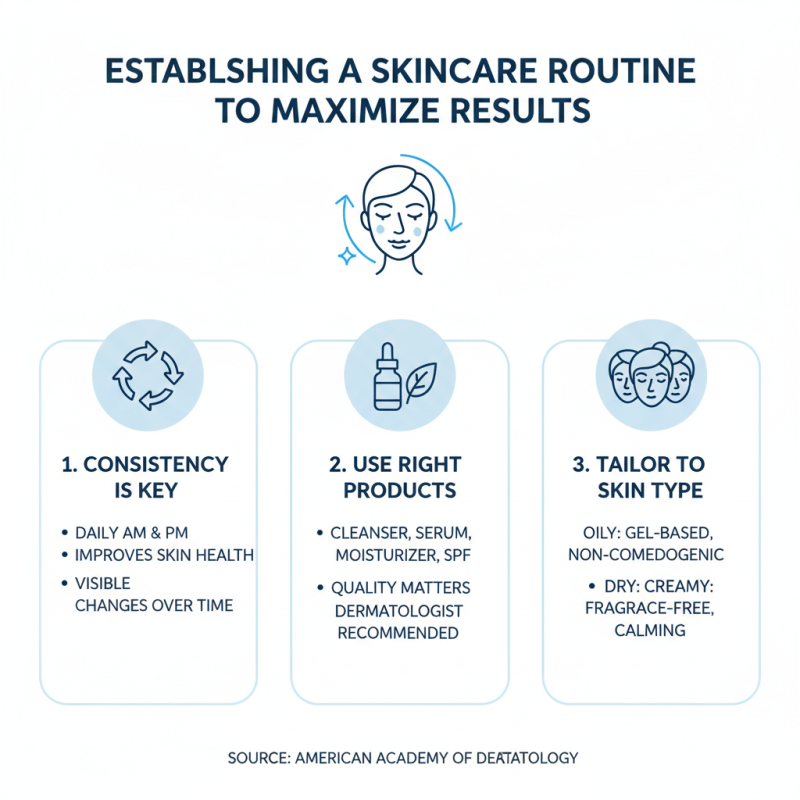
Establishing an effective skincare routine is essential for achieving optimal results. According to the American Academy of Dermatology, consistent application of the right products can improve skin health and appearance. However, many people overlook the importance of tailoring routines to their unique skin types.

To maximize results, identify your skin type: oily, dry, combination, or sensitive. Each type requires different formulations and ingredients. For example, those with oily skin benefit from lightweight, oil-free products. In contrast, individuals with dry skin need more hydrating formulations. This targeted approach can lead to visible improvements in just a few weeks.

Tips for creating a successful skincare routine:
- Always cleanse your skin twice daily to remove impurities.
- Incorporate exfoliation once or twice a week, but avoid over-exfoliating.
- Use a broad-spectrum sunscreen daily to protect against UV damage.

Many overlook the significance of consistency. A study published in the Journal of Clinical and Aesthetic Dermatology emphasizes that results come with time. Expect gradual changes rather than instant results. Recognizing that products may not perform as expected can lead to necessary adjustments in your routine. Be patient with your skin. Understanding it is crucial for effective therapy. Experiment and reflect on your choices regularly.

Back To Top Skip to content