
Skip to content
Policy FAQ
   
(908) 210-9335
   
Now Available: Cherry Payment Plans!
Are you interested in paying in installments with Cherry payment plans? Get pre-approved today! Applying won’t harm your credit!
graphical user interface, website

What Is a Facial Spa and Which Type Is Best?

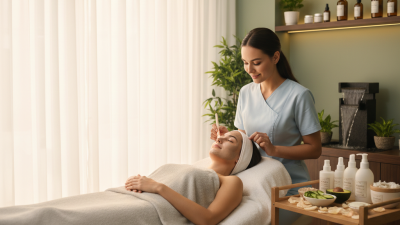
A face facial spa is more than a quiet room, soft music, and scented towels. It is a professional setting where trained therapists assess your skin and provide targeted care. Treatments may include classic cleansing facials, hydrating sessions, exfoliation, acne-focused services, or advanced options such as HydraFacial treatments. Each type serves a different purpose. Your skin may need moisture, gentle calming, or professional extraction. It may not need every treatment advertised.

Dr. Howard Murad, dermatologist and founder of Murad skincare, has often emphasized, “Healthy skin is a reflection of overall health.” That idea matters when choosing a face facial spa. A reliable spa should explain each step, discuss your skin history, and identify possible sensitivities before treatment. Clean tools, transparent pricing, qualified staff, and realistic promises also show professional standards. Be cautious with instant transformation claims. Skin rarely changes permanently after one appointment.

The best facial spa depends on your goals, budget, skin condition, and comfort level. A classic facial may suit first-time clients. A hydrating treatment can help dry, tight-feeling skin. Sensitive skin often benefits from fewer products and slower techniques. Acne-prone clients may need professional guidance rather than aggressive scrubbing. Personal experience matters, but it can also mislead us. What worked for a friend may irritate your skin.

This guide compares common facial spa types, their benefits, limitations, and suitable users. It also considers consultation quality, aftercare advice, and treatment safety. The right choice should leave your skin comfortable, not painfully tight or visibly inflamed. That simple test is often overlooked.
What Is a Facial Spa and Which Type Is Best?

What a Facial Spa Is and How It Differs from Other Skin Treatments

What Is a Facial Spa and Which Type Is Best?

A facial spa provides non-invasive skincare in a calm, appointment-based setting. Treatments may include cleansing, exfoliation, steaming, massage, masks, and moisturising. The experience is usually designed for relaxation and temporary skin comfort. It is not a substitute for medical diagnosis.

The difference matters. A facial spa focuses on surface care and appearance. A dermatologist evaluates persistent acne, rosacea, pigmentation, infections, or suspicious growths. A medical aesthetic clinic may offer stronger procedures, such as chemical peels, lasers, or injectables, under qualified clinical supervision. Salon skincare often concentrates on basic cleansing and product application. Boundaries can blur. That creates confusion.

The International Spa Association reported approximately 184 million U.S. spa visits and $21.3 billion in industry revenue during 2023, according to its 2024 U.S. Spa Industry Study. This reflects demand, not proof that every facial works. The Global Wellness Institute valued the global wellness economy at $6.3 trillion in 2023, showing how widely consumers pursue preventive self-care.

The best facial depends on your skin and your goal. Choose a gentle hydrating facial for dryness or temporary dullness. Select an exfoliating treatment only when your skin tolerates it. Sensitive skin may react badly to fragrance, heat, or aggressive extraction. Ask about sanitation, training, ingredients, and aftercare. Honest providers should explain limits, possible irritation, and when referral is necessary. A relaxing facial can help you feel refreshed. It may not fix the underlying problem.

Core Services and Techniques Used in Facial Spas

What Is a Facial Spa and Which Type Is Best?

A facial spa focuses on the health, comfort, and appearance of facial skin. Core services usually include consultation, cleansing, exfoliation, steaming, gentle extraction, masking, and moisturising. A trained therapist should inspect sensitivity, hydration, congestion, and visible irritation before choosing a technique. This step matters. Skin is not identical from person to person.

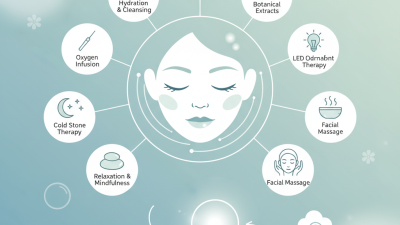
Advanced facials may add chemical exfoliation, ultrasonic cleansing, LED therapy, microcurrent, or lymphatic massage. Each method has a different purpose. Exfoliation removes surface buildup, while massage can reduce temporary puffiness and promote relaxation. LED treatments use controlled light exposure, but results depend on consistent sessions and suitable skin conditions. The Global Wellness Institute estimated the global spa economy at 95.8 billion dollars in 2022, showing the sector’s expanding professional reach. However, popularity does not prove that every treatment works for everyone.

The best facial spa matches its methods to your skin goals and comfort level. A medical-style facial may suit persistent congestion, while a relaxation-focused spa may better serve dry, stressed skin. The International SPA Association reported 21.3 billion dollars in U.S. spa revenue during 2023, reflecting strong consumer demand. Still, expensive equipment is not automatically better. A careful consultation may matter more than a dramatic treatment menu. Even a well-planned facial can cause temporary redness or feel less effective than expected. That limitation deserves honest discussion.

What Is a Facial Spa and Which Type Is Best?

Facial spas combine skin cleansing, exfoliation, extraction, hydration, massage, and targeted techniques. The best option depends on your skin concerns, sensitivity, and desired treatment intensity.

Typical session duration: Basic and targeted treatments are often shorter, while deep-cleansing, exfoliating, and multi-step facials generally require more time. Actual duration varies by skin assessment and treatment plan.

How Facial Spa Treatments Address Different Skin Concerns

A facial spa offers targeted skin treatments in a calm, professional setting. Sessions may include cleansing, gentle exfoliation, massage, masks, or non-invasive devices. A qualified esthetician should assess your skin before choosing each step. The treatment should match your skin’s condition, not a fashionable trend.

For dehydrated skin, a facial may use humectant-rich products and a soothing mask. Skin often feels softer afterward, although the effect can be temporary. Congested pores may benefit from gentle exfoliation and carefully performed extractions. Aggressive pressure can cause redness, marks, or irritation. Sensitive skin usually needs fewer products, lower heat, and fragrance-free options. Tell the esthetician about allergies, medications, and recent procedures.

Facials can also support dull or uneven-looking skin through mild exfoliation and antioxidant-focused care. However, dark spots and persistent acne may require a dermatologist’s assessment. A spa treatment cannot replace medical care. It may complement a consistent routine, but results vary between people. That matters.

From a professional perspective, hygiene is essential. Clean tools, fresh linens, and clear aftercare instructions show responsible practice. A patch test may reduce avoidable reactions, though it cannot predict every response. I would question any promise of instant, permanent transformation. Healthy skin changes gradually, and sometimes the best facial is the gentlest one.

What Is a Facial Spa and Which Type Is Best? — How Facial Spa Treatments Address Different Skin Concerns
Facial Spa Treatment Primary Skin Concerns How It Works Key Ingredients or Technology Typical Downtime Expected Benefits Typical Frequency Best Suited For Important Considerations
Classic Deep-Cleansing Facial Surface buildup, dehydration, dullness, mild congestion Combines cleansing, gentle exfoliation, massage, masking, and moisturization to refresh the skin. Enzyme exfoliants, humectants, moisturizers, soothing botanical or mineral-based masks Usually none; temporary redness may occur Cleaner-feeling, softer, more hydrated, and temporarily brighter skin Every 4–8 weeks, depending on skin needs Most skin types, including first-time facial clients Extraction should be gentle. Aggressive manipulation can irritate sensitive or inflamed skin.
Hydrating Facial Dryness, tightness, flaking, dehydration lines, compromised moisture barrier Replenishes water and emollients while reducing moisture loss from the skin surface. Glycerin, hyaluronic acid, ceramides, squalane, panthenol None to minimal Improved comfort, smoother texture, and a temporarily plumper appearance Every 4–6 weeks or before periods of increased dryness Dry, dehydrated, mature, or temporarily sensitized skin Very dry or irritated skin may need barrier care rather than exfoliation or strong active ingredients.
Acne-Focused Facial Blackheads, whiteheads, excess oil, mild non-inflammatory congestion Uses cleansing, controlled exfoliation, and carefully performed extractions to reduce pore blockage. Salicylic acid, low-strength glycolic acid, clay, niacinamide Usually none; redness can last several hours Temporary reduction in congestion and oiliness; smoother-looking pores Every 4–6 weeks, combined with a consistent home-care routine Oily or combination skin with mild comedonal acne Deep, painful, cystic, or widespread acne should be assessed by a qualified medical professional.
Chemical Peel Facial Uneven texture, mild discoloration, dullness, fine lines, some acne-related marks Applies a controlled chemical exfoliant to loosen damaged surface cells and stimulate skin renewal. Alpha hydroxy acids, beta hydroxy acid, or polyhydroxy acids None to several days, depending on peel strength; peeling may occur Brighter appearance and more even-feeling texture after a series of treatments Often every 4–8 weeks; timing depends on acid type and concentration Normal, oily, or mildly uneven skin when properly evaluated Daily broad-spectrum sunscreen is essential. Stronger peels require professional medical supervision.
Microdermabrasion Rough texture, dullness, superficial discoloration, mild congestion Mechanically exfoliates the outermost layer of the skin using a controlled abrasive or crystal-free system. Diamond-tip or crystal-free exfoliation devices Usually none; mild redness or sensitivity may last up to one day Smoother surface texture and a temporarily more radiant appearance Approximately every 4–6 weeks when appropriate Resilient skin with superficial texture concerns May aggravate active inflammatory acne, rosacea, eczema, or a weakened skin barrier.
Hydradermabrasion-Style Facial Dehydration, surface congestion, dullness, uneven texture Uses fluid-based cleansing, exfoliation, infusion, and suction in a single treatment sequence. Water-based exfoliation, moisturizing serums, gentle suction Usually none; mild temporary redness is possible Immediate-feeling smoothness, hydration, and surface brightness Every 4–6 weeks, based on tolerance and product strength Normal, combination, and mildly congested skin Excessive suction or overly active solutions may irritate fragile capillaries or sensitive skin.
LED Light Facial Mild inflammation, temporary redness, acne-prone skin, early signs of photoaging Uses specific light wavelengths that interact with skin cells without removing the skin surface. Blue light for acne-associated bacteria; red or near-infrared light for inflammation support None May support calmer-looking skin and modest improvements with repeated sessions Often performed in a series, commonly 1–3 times weekly at first People seeking a non-exfoliating, low-downtime treatment Eye protection is required. Photosensitizing medications and conditions require professional screening.
Soothing Sensitive-Skin Facial Temporary redness, stinging, dryness, tightness, reactive skin Focuses on gentle cleansing, cooling, hydration, and barrier support while avoiding aggressive exfoliation. Colloidal oatmeal, panthenol, allantoin, ceramides, fragrance-free moisturizers None to minimal Improved comfort and reduced appearance of temporary dryness or irritation As needed, commonly every 4–8 weeks Sensitive or easily irritated skin without an active flare Patch testing and a detailed product review are advisable. Active dermatitis or infection needs medical care.
Brightening Facial Uneven tone, dullness, superficial sun-related discoloration Combines gentle exfoliation and antioxidant or pigment-supportive ingredients to improve surface radiance. Vitamin C derivatives, niacinamide, azelaic acid, gentle fruit acids Usually none; mild sensitivity is possible More luminous appearance and gradually more even-looking tone Every 4–8 weeks, supported by daily sunscreen use Skin with mild, superficial uneven tone Discoloration can recur with ultraviolet exposure. Persistent or changing spots should be examined medically.
Anti-Aging Firming Facial Dehydration lines, loss of temporary plumpness, dullness, rough texture Uses massage, hydration, antioxidants, and sometimes gentle exfoliation to improve the skin’s temporary appearance. Peptides, antioxidants, hyaluronic acid, retinoid alternatives, moisturizers None to minimal Temporary plumping, smoother-feeling skin, and improved surface radiance Every 4–8 weeks, depending on the treatment plan Mature or dehydrated skin seeking non-invasive maintenance Results are cosmetic and temporary; facial treatments do not replace medical procedures for significant laxity or deep wrinkles.

Note: Treatment suitability, product strength, and expected results vary by skin type, medical history, medications, and provider technique. A qualified professional should screen for active skin conditions, allergies, photosensitivity, and recent cosmetic procedures before treatment.

Main Types of Facial Spas and Their Treatment Approaches

A facial spa is a skin-care setting focused on cleansing, hydration, exfoliation, and relaxation. Its best type depends on your skin condition, treatment goal, and comfort level. A day spa usually offers gentle facials, steam, facial massage, masks, and light exfoliation. The experience often feels calm, with warm towels and quiet treatment rooms. It suits dry, tired, or mildly congested skin, but results may be temporary.

A medical spa uses clinical supervision for stronger approaches. These may include chemical peels, microneedling, or controlled light treatments. Qualified professionals should assess your skin, explain possible reactions, and provide aftercare. Rules differ by location, so confirm the practitioner’s training and legal scope. A dermatology-led clinic may be more suitable for persistent acne, rosacea, scarring, or unusual pigmentation. In those cases, a facial alone can delay proper evaluation.

Holistic facial spas combine skin care with massage, breathing exercises, botanical products, or aromatherapy. They can feel restorative, yet “natural” does not always mean risk-free. Essential oils may irritate sensitive skin, and fragrance can worsen some conditions. Ask about ingredients before treatment. I used to think a longer facial meant better care. That is not always true. A shorter, tailored session may protect the skin barrier more effectively. The safest choice is the provider who examines your skin, records allergies, explains limits, and adjusts the treatment when your skin reacts unexpectedly.

How to Choose the Best Facial Spa for Your Needs

A facial spa provides professional skin treatments in a calm, hygienic setting. Services may include cleansing, exfoliation, steaming, massage, masks, and gentle extractions. The best facial spa depends on your skin condition, comfort level, and treatment goals.

Start with a proper consultation. Ask whether the therapist has relevant training and experience with sensitive, acne-prone, dry, or mature skin. A qualified professional should examine your skin before recommending products or procedures. Do not accept exaggerated promises. “Instant perfection” is a warning sign. The therapist should explain possible redness, irritation, or temporary breakouts in clear language.

Observe the treatment room carefully. Clean towels, disinfected tools, fresh pillow covers, and hand hygiene matter. Ask how equipment is cleaned between clients. You can also check whether the spa records allergies, medications, and previous reactions. A patch test may be sensible before using unfamiliar ingredients. Small details count.

Before booking, compare the consultation process, treatment duration, and total price. Ask what happens if your skin reacts afterward. Transparent policies usually feel more trustworthy. I once assumed a stronger facial would produce better results, but my skin needed fewer active ingredients and more moisture. That experience changed how I judge professional advice. Sometimes, the gentler option is the more informed one. Pricing should match care, not unnecessary intensity.

Back To Top Skip to content