

What Are Folding Blind Rivets and How Do They Work?
Folding Blind Rivets are specialized fasteners designed for assemblies accessible from one side. Their unusual sleeve forms several supporting legs behind the workpiece. This action creates a broad bearing area. It helps secure thin, soft, or fragile materials without requiring rear access.
A typical rivet includes a tubular body and a central mandrel. A hand or powered rivet tool pulls the mandrel through the body. The sleeve then splits and folds outward inside the joint. These legs press against the hidden surface, while the rivet head clamps the visible face. The result is a practical mechanical connection with a clean external appearance.
Small details matter.
Correct hole diameter, material thickness, and grip range strongly affect performance. An oversized hole may allow movement. An unsuitable grip range may prevent complete folding. Aluminum versions can suit lightweight panels, while steel options may provide greater strength. However, material compatibility still deserves careful review, especially where moisture or galvanic corrosion may occur.
In real workshop conditions, installation is rarely perfect. Misalignment, uneven surfaces, and excessive tool force can weaken the joint. I have found that a controlled test installation often reveals problems before production begins. This article explains how Folding Blind Rivets work, where they are useful, and which installation choices influence reliability. It also considers their limitations, because no fastener performs well when selection replaces measurement.
What Folding Blind Rivets Are and Where They Are Used
Folding blind rivets are fasteners designed for assemblies accessible from only one side. Their body usually has a hollow sleeve and a central mandrel. During installation, a rivet tool pulls the mandrel inward. The sleeve splits and folds behind the rear sheet, forming several broad legs. These legs hold the materials together without requiring access to the hidden surface.
They are useful for thin panels, enclosures, ductwork, vehicle interiors, and lightweight furniture. They also suit hollow sections where a standard nut cannot be positioned. In practical workshop use, they can secure plastic, fiberboard, and soft metal panels. The folded legs spread pressure over a wider area. This helps reduce pull-through on fragile materials. The joint still needs a clean, correctly sized hole.
Material choice matters. A rivet should match the joined sheets as closely as possible. Mixed metals can encourage corrosion, especially in damp environments. The installer should check grip range, hole diameter, and expected shear or tensile loads. Folding rivets are not suitable for every structural connection. They may loosen when exposed to vibration or excessive force. That limitation is easy to overlook.
A firm installation depends on steady tool pressure. If the mandrel breaks too early, the folded legs may not form correctly. If the hole is oversized, the rivet can rotate. I have found that a small test assembly often reveals these problems before production work begins. It adds time, but prevents avoidable rework.

The Main Parts and Structure of a Folding Blind Rivet
What Are Folding Blind Rivets and How Do They Work?
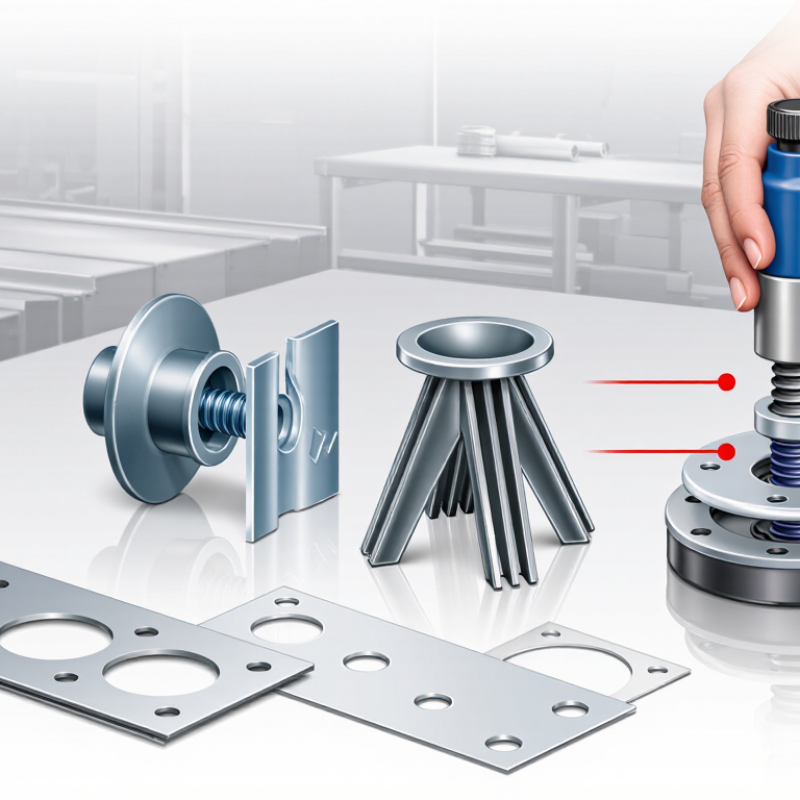
A folding blind rivet has four working parts: the rivet body, flange, mandrel, and folding legs. The body enters a pre-drilled hole from one side. Its flange stays visible on the accessible surface. When the setting tool pulls the mandrel, the slotted body collapses and folds into three or four legs behind the panel. These legs spread like an umbrella. They create a broad bearing area and clamp thin, fragile, or hollow materials.
The mandrel controls the forming action, while the flange controls surface seating. A correct flange diameter helps prevent pull-through. An oversized hole can still reduce grip, even when the legs look properly formed. That detail is easy to miss.
Technical fastener testing under ISO 14589 examines tensile and shear performance after installation, not appearance alone. Material selection also matters. Industry data from the International Aluminium Institute indicates that recycled aluminium can use about 95% less energy than primary aluminium. This supports aluminium bodies in weight-sensitive assemblies, but strength and corrosion compatibility require checking.
Steel mandrels may increase pulling force. Plastic panels may crack under excessive clamp load.
My practical concern is simple: folding does not automatically mean secure. Hole size, panel thickness, grip range, and tool alignment must match the rivet design. A small installation error can remain hidden behind the panel.
How Folding Blind Rivets Work During Installation
Folding blind rivets solve a practical fastening problem: joining thin, hollow, or partly inaccessible materials from one side. During installation, the rivet body enters a predrilled hole. A setting tool then pulls the internal mandrel toward the head. This force compresses the rivet body behind the panel.
The body folds outward into several legs. These legs press against the hidden surface and create a broad bearing area. The visible head clamps the front sheet at the same time. The result resembles a small umbrella opening behind the material. It is a useful image, though real deformation is less uniform.
Hole diameter matters greatly. A loose hole can produce weak folding and uneven clamping. A tight hole may prevent the rivet from expanding correctly. The 2024 Fasteners Market analysis by Grand View Research valued the global fasteners market at about 94 billion U.S. dollars in 2023, showing the scale of demand for reliable joining methods. ISO 14589 also requires blind rivets to undergo tensile and shear testing, not just visual inspection.
In workshop trials, I would check the folded legs after installation whenever access allows. They should contact the rear surface firmly. They should not split the sheet.
Small errors remain common. Excessive tool pressure can damage thin panels. Insufficient stroke can leave the joint loose. Material thickness, grip range, and hole quality must be checked together, not separately.
Materials, Joint Types, and Performance Characteristics
Folding blind rivets use a hollow sleeve that splits and folds into several legs when the mandrel is pulled. These legs spread behind the panel, creating a wide bearing area. The design works well where installers can reach only one side. Aluminum sleeves keep weight low and suit light panels. Steel mandrels improve pulling strength. Stainless steel versions offer better resistance in damp or corrosive locations. Material pairing still matters. Dissimilar metals can encourage galvanic corrosion, especially near saltwater.
These rivets suit lap joints, overlapping sheet connections, and panel attachments over soft or brittle substrates. They can also secure thin covers to frames when rear access is blocked. The folded legs distribute pressure better than a simple expansion rivet. That helps reduce pull-through in thin sheet. However, they are not automatically stronger. Joint strength depends on hole size, grip range, sheet thickness, and installation quality. A loose hole can leave the rivet spinning. Excessive clamp force may crush insulation or deform a plastic panel.
In practical assembly work, a clean hole and correct grip length often matter more than a larger rivet. Vibration resistance is useful, but movement can still loosen the surrounding material. Sealing washers may improve water resistance, though they cannot repair poor surface contact. Designers should test representative panels under load, temperature changes, and vibration. Small differences appear quickly. The real performance is in the joint, not only the rivet.
Choosing and Installing the Right Folding Blind Rivet
What Are Folding Blind Rivets and How Do They Work?
Choosing and Installing the Right Folding Blind Rivet
Folding blind rivets suit soft, brittle, or hollow materials. Their legs open behind the panel, spreading the load over a wider area. This action reduces local crushing compared with a standard blind rivet. Select the rivet by material, hole size, and grip range. The clamped material must fit within that range. A loose fit can leave the joint weak. Too much length may create uneven folding.
The NASA Fastener Design Manual states that joint strength depends on bearing, shear, tear-out, and edge distance. These checks matter when folding rivets join thin panels. Keep the hole round and clean. Deburr sharp edges carefully. Insert the rivet squarely, then use a setting tool with the correct nosepiece. Stop when the legs form evenly behind the panel. Do not keep pulling after the mandrel breaks.
Test a sample joint first. Good practice beats guesswork. The 2023 U.S. Census construction spending report recorded more than 1.8 trillion dollars in annual construction activity, showing the scale of applications requiring dependable fastening. However, that figure does not prove rivet performance. It only highlights the need for controlled installation.
I still inspect folded legs by hand and measure pull-through on trial pieces. A slightly larger washer may help, but only after testing.
