

What is Inositol Powder and How Can It Benefit You?
Inositol Powder has garnered attention for its potential health benefits. This supplement plays a crucial role in several bodily functions. Many individuals seek out Inositol Powder for its ability to support mental health and regulate hormones.
Research indicates that Inositol can influence neurotransmitter activity. It may help reduce anxiety and improve mood. Users have reported a calmer state of mind after incorporating Inositol Powder into their routines. Moreover, it has been linked to benefits in women’s reproductive health, especially for those experiencing polycystic ovary syndrome (PCOS).
Despite its advantages, some may question its effectiveness. Individual responses can vary, and not everyone may experience noticeable improvements. It is important to approach Inositol Powder with realistic expectations. Investigating credible studies and seeking professional guidance can aid in understanding its true potential.
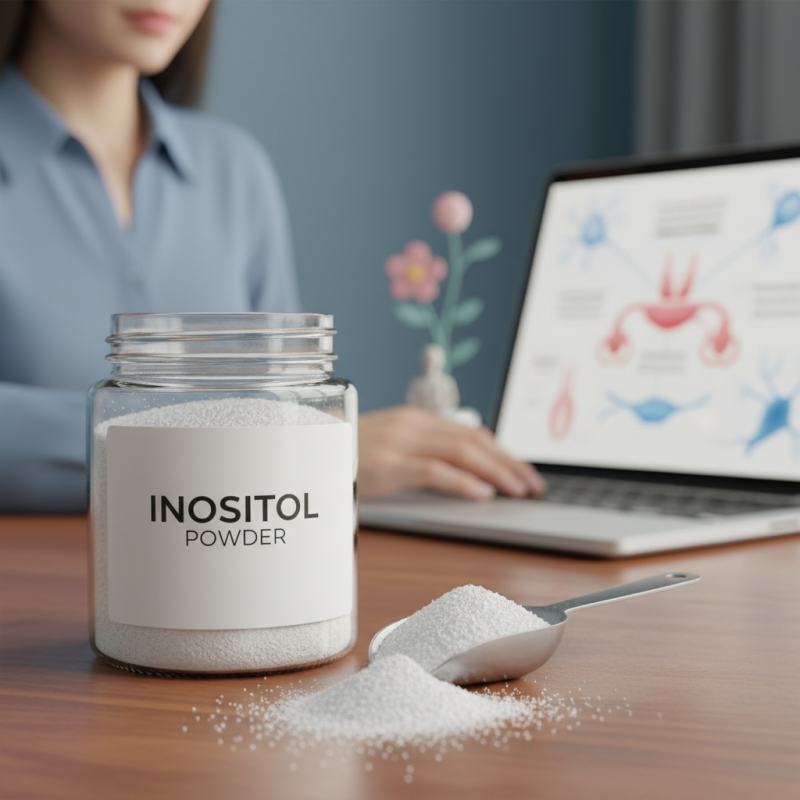
What is Inositol Powder? An Overview of Its Chemical Structure
Inositol powder is a naturally occurring sugar alcohol that plays a crucial role in various cellular processes. Structurally, it is often described as a six-carbon molecule with multiple hydroxyl groups. This configuration allows it to participate in several biochemical pathways. Inositol primarily exists in different forms known as stereoisomers, but myo-inositol is the most abundant and studied.
Understanding its chemical structure helps highlight its benefits. The hydroxyl groups in inositol facilitate its interaction with cellular receptors. This interaction can influence insulin signaling, making inositol a potential helper for metabolic health. Additionally, it impacts neurotransmitter function, which is vital for mood regulation. Some studies suggest that inositol can assist in managing anxiety and improving mental clarity.
While inositol holds promise, it is essential to approach its use with caution. Individuals may experience varied effects based on unique body chemistry. Research is ongoing, and more studies are needed to fully understand its benefits and limitations. For those interested, consulting a healthcare professional prior to usage is advisable. Understanding both the potential and the nuance surrounding inositol can lead to more informed health choices.
The Role of Inositol in Human Metabolism and Cellular Functions
Inositol plays a critical role in human metabolism. It is vital for cell signaling. This sugar alcohol affects insulin sensitivity. Studies have shown that inositol may assist in managing blood sugar levels. Approximately 30% of individuals with metabolic disorders show improved outcomes when supplemented with inositol.
Inositol influences neurotransmitter function too. It helps produce serotonin, a key player in mood regulation. Research indicates that around 20% of adults experience anxiety or mood disorders. Inositol supplementation may offer a natural approach to support mental health.
Moreover, recent reports suggest inositol may improve ovulatory function in women. About 80% of women with polycystic ovary syndrome (PCOS) experience insulin resistance. By enhancing ovarian function, inositol has been observed to restore regular menstrual cycles. Still, more research is necessary to fully understand its effects on fertility.
While data is promising, individuals must consult healthcare professionals. Not every inositol supplement works for all. Personal response to inositol varies significantly. Understanding its role is vital for informed choices.
Health Benefits of Inositol: Evidence from Recent Clinical Studies
Inositol, a carbohydrate and part of the vitamin B complex, has gained attention for its potential health benefits. Recent clinical studies reveal promising findings related to its efficacy in mental health, metabolic disorders, and reproductive health. For example, a 2021 study published in the Journal of Psychiatric Research reported that inositol can reduce anxiety levels and improve mood in individuals diagnosed with generalized anxiety disorder. This reinforces its role in supporting emotional well-being.
Moreover, inositol has shown effectiveness in managing insulin resistance. According to a report by the American Diabetes Association, supplemental inositol benefits those with polycystic ovary syndrome (PCOS) by improving insulin sensitivity. A recent meta-analysis indicated that inositol supplementation can lead to significant reductions in insulin levels and improved ovulatory function. This highlights its potential role in promoting reproductive health.
Despite the benefits, the research is still evolving. More large-scale studies are needed to explore optimal dosages and long-term effects. Some participants reported mild gastrointestinal discomfort, suggesting that individualized dosing may be necessary. Ongoing research aims to refine our understanding of inositol’s benefits and limitations. As we delve deeper into this compound, we learn more about its complex interactions and potential for health enhancement.
Recommended Dosages of Inositol: Guidelines Based on Research Findings
Inositol powder has gained attention for its potential health benefits. Research indicates that it may play a role in mental health, particularly in reducing symptoms of anxiety and depression. While individual responses to inositol can vary, studies suggest that dosages between 2 to 18 grams per day can be beneficial. Many researchers recommend starting with a lower dose, gradually increasing it to find the optimal amount.
A pivotal study published in the Journal of Clinical Psychiatry highlighted that participants taking 12 grams of inositol daily experienced fewer panic attacks. This suggests a significant relationship between dosage and therapeutic effects. It's essential to tailor the dosage based on individual needs and responses. Consultation with a healthcare provider can ensure safe and effective usage.
Moreover, potential side effects, while generally mild, can include gastrointestinal discomfort. Some individuals may experience digestive challenges with high doses. Thus, monitoring how your body reacts is crucial. Fine-tuning your intake can enhance the positive effects while minimizing discomfort. Understanding your body’s reaction to inositol is part of a thoughtful approach to supplementation.
Recommended Dosages of Inositol Based on Research Findings
Potential Side Effects and Interactions of Inositol Powder Supplements
Inositol powder has gained attention for its potential health benefits, particularly in mental health. However, it’s crucial to consider its potential side effects and interactions. Clinical studies indicate that inositol is generally well-tolerated, but some people may experience digestive upset, headaches, or dizziness. According to a review published in the *Journal of Clinical Psychiatry*, about 15% of participants reported mild side effects when using inositol supplements.
Interactions with other medications are a significant concern. Inositol can affect insulin sensitivity, which is critical for those on diabetes medications. An article in *Diabetes Care* highlights that inositol may enhance the effects of insulin, leading to hypoglycemia in sensitive individuals. Always consult a healthcare professional before combining inositol with other treatments. This is particularly important for those taking SSRIs, as inositol can impact serotonin levels, but research on this interaction is still limited.
Pregnant and breastfeeding women should exercise caution. While there is limited data, some studies suggest that high doses might have unknown effects on fetal development. Regular monitoring and professional guidance are essential to avoid potential risks. Users must stay informed and critically assess their experiences with inositol, recognizing that individual reactions can vary widely.
