
What Is International Freight and How Does It Work?
International Freight is the movement of goods between countries by sea, air, road, rail, or a combination of modes. It connects factories, ports, warehouses, and customers, but the journey is rarely as simple as loading a container and sending it away. Each shipment needs a suitable route, accurate records, and coordination among shippers, carriers, freight forwarders, and customs brokers. A small mismatch in a product description or delivery address can cause delays.
Logistics scholar Martin Christopher is often credited with the observation, “The competition is no longer between companies, but between supply chains.” International freight helps make that point visible: a late vessel can affect a warehouse schedule, production line, or store shelf. In practice, a freight forwarder may compare transit time, cost, and cargo requirements before arranging transport. A shipment might travel by truck to a port, cross an ocean in a container, then continue by rail or road. Tracking updates help, though they do not prevent every disruption.
The process also involves freight quotes, booking, cargo preparation, transport documents, and delivery planning. Import and export requirements differ by country, so businesses should confirm current procedures with qualified logistics professionals and official authorities. No single route works for every shipment. That is worth remembering. A lower quote may bring a longer transit time, while a faster option can cost more. Understanding the steps helps readers ask better questions and plan with fewer surprises, even if real-world freight never runs perfectly.
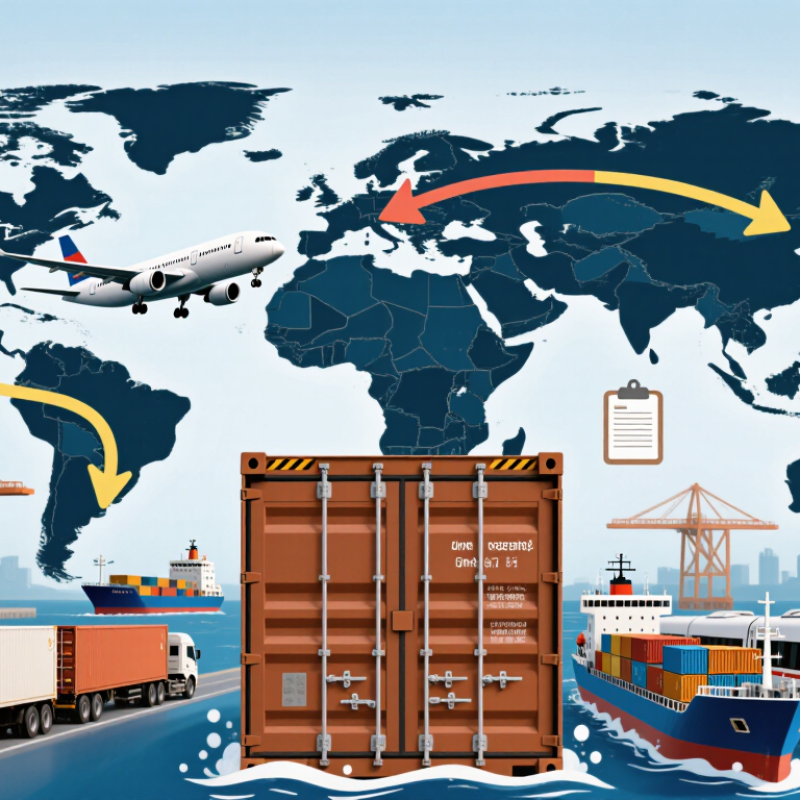
What International Freight Means and What It Covers
International freight is the organized movement of goods between countries, from a factory or farm to a buyer’s destination. It includes more than transport. A shipment may travel by truck to a port, cross an ocean in a container, then continue by rail or road. UNCTAD’s Review of Maritime Transport 2024 notes that over 80% of world trade by volume is carried by sea, making ocean freight central to global supply chains. Yet a container’s sea journey is only one part of its trip.
The term also covers the services and decisions that keep cargo moving: choosing a route and transport mode, arranging cargo handling, preparing shipping documents, and coordinating border clearance. Depending on the shipment, freight planning may also involve storage, cargo insurance, and delivery appointments. For example, a pallet of machine parts might need a truck booking, a container space, port handling, and a final delivery slot at a warehouse. Timing matters. So does accurate paperwork. A missing detail can leave cargo waiting while teams resolve the issue. Even careful plans can change when weather, congestion, or schedule changes intervene; freight estimates are not guarantees. The exact services included vary by shipment and agreed service terms, so it is worth checking where one provider’s responsibility ends and the next begins.

Who Participates in an International Freight Shipment
An international freight shipment is a chain of people and organizations, not a single delivery. The exporter prepares the goods and documents; the importer confirms delivery details and arranges payment. A freight forwarder coordinates transport, schedules, and paperwork across multiple legs. The carrier moves the cargo by ship, aircraft, rail, or truck. Each handoff matters.
Ports and terminals handle cargo transfers, while customs brokers help submit shipment information to the relevant authorities. Insurers may cover specified risks during transit.
UNCTAD’s Review of Maritime Transport 2024 reports that more than 80% of world merchandise trade by volume travels by sea. That scale helps explain why a simple shipment can involve several carriers, terminals, and service providers. A delay at one transfer point may affect the whole route.
Responsibilities should be clear. The shipper supplies accurate cargo details; the forwarder and carrier coordinate the agreed movement; the receiver checks arrival and delivery arrangements. Customs brokers support clearance, but they do not replace the shipper’s duty to provide correct information. The handoffs can feel messy. In practice, one overlooked document or unclear instruction can slow a shipment. Teams should confirm who handles each task, and when.
How Freight Moves Across Borders Step by Step
International freight begins when a shipper confirms the cargo details, destination, timing, and transport mode. A freight professional then plans space, pickup, and required paperwork. The packing list and commercial invoice should match the goods and quantities. Small errors matter. A crate marked 18 kilograms cannot arrive as 22 without questions. Cargo is collected, measured, weighed, and secured for road, rail, air, or sea travel.
Before departure, export declarations and security checks are handled under relevant procedures. Cargo may move to a warehouse or port, where labels and seals are checked. At a seaport, containers are loaded onto a vessel; air cargo is screened and placed on pallets. Tracking updates show key milestones, but not every handoff. Delays happen. Weather, missed connections, or incomplete documents can change the schedule.
On arrival, local agents submit import documents and arrange customs review, inspections, and any applicable duties. Once released, the shipment transfers to a truck, rail service, or local delivery team. The receiver checks the seal, visible condition, and delivery record before signing. Keep photos. One weak spot in many plans is the final-mile estimate: a port may be nearby, yet appointments, unloading limits, or traffic can add hours. That is easy to overlook when booking.
Which Documents and Customs Checks Are Required
International freight depends on documents that tell customs what is moving, who owns it, and what it is worth. UNCTAD’s Review of Maritime Transport 2024 reports that over 80% of world trade by volume moves by sea. For a sea shipment, the core file commonly includes a commercial invoice, packing list, bill of lading, and customs declaration. Air freight usually uses an air waybill instead. Details should match across every record: the shipper and consignee, package count, goods description, weights, and declared value. Small errors matter. A carton count that differs by one can trigger questions or delay release.
Customs authorities may review the tariff classification, origin, valuation, and supporting evidence. Depending on the destination and goods, that evidence may include a certificate of origin, product permits, or safety documents. Officers can request clarification, scan cargo, or inspect packages physically. Requirements differ by country, trade agreement, and shipment type, so check the destination authority’s current guidance before dispatch. The World Customs Organization’s Time Release Study guidance recommends measuring the time goods take to clear, because delays can occur at several stages—not only at the border. Keep dated copies of declarations and replies. A complete file helps, but it does not guarantee quick clearance; I have seen a well-prepared shipment still wait while one classification detail was checked.
International Freight: Documents and Customs Checks
Typical documentation and clearance steps. Requirements vary by destination, goods, and trade agreement.
How Freight Costs, Timing, and Risks Are Managed
International freight moves goods across borders by sea, air, road, or rail, often using more than one mode. The quoted price may cover transport, but it can also include fuel adjustments, terminal handling, documentation, and delivery. Ask what each charge includes. A low initial quote can leave important costs out.
Timing depends on more than distance. A container may wait for a vessel, port space, or customs processing, while air freight usually travels faster but costs more. Build buffer time into the schedule, especially around busy shipping periods. Track key milestones, such as pickup, departure, arrival, and final delivery. Still, estimates are not promises. Weather and congestion can shift arrival dates.
Risk management starts with accurate cargo details and secure packing. Record dimensions, weight, and handling needs before booking; a small measurement error can change the bill. Insurance may help cover specified losses, but the policy terms matter. Check exclusions and claim deadlines. Keep copies of invoices and shipping records. There is no perfect plan. Even careful teams sometimes miss a detail, so reviewing the process after delivery can improve the next shipment.
