
Top Butterfly Valve Manufacturers and Suppliers?
Choosing among the top butterfly valve manufacturers and suppliers requires more than comparing catalog prices. A valve may look identical on a product page, yet differ in disc finish, seat material, torque performance, and testing records. These details become critical when a pipeline handles chilled water, corrosive chemicals, steam, or abrasive slurry.
MarketsandMarkets reported that the global butterfly valves market could grow from approximately USD 8.2 billion in 2023 to USD 10.9 billion by 2028, representing a compound annual growth rate of 5.8%. This expansion reflects continued investment in water treatment, energy infrastructure, chemical processing, and industrial automation. Grand View Research also identifies industrial replacement demand and infrastructure development as important market drivers. The numbers are useful, but forecasts are not guarantees.
A credible manufacturer should demonstrate compliance with recognized requirements, including API 609, ISO 5211, EN 593, and relevant pressure-testing procedures. Buyers should examine factory test certificates, material traceability, pressure ratings, emission controls, and after-sales support. A supplier’s experience with resilient-seated, high-performance, and triple-offset butterfly valve designs also matters. So does its ability to provide drawings quickly and maintain spare-parts availability.
This guide evaluates leading manufacturers and suppliers through product quality, engineering depth, certifications, delivery capability, and documented customer support. No ranking is perfect. Regional strengths can distort global comparisons, while online claims sometimes lack independent verification. For that reason, procurement teams should validate technical data directly, request samples when practical, and compare total lifecycle cost rather than purchase price alone. A cheaper valve can become expensive when leakage, downtime, or difficult maintenance appears later.
What Is a Butterfly Valve and How Does It Work?
Top Butterfly Valve Manufacturers and Suppliers?
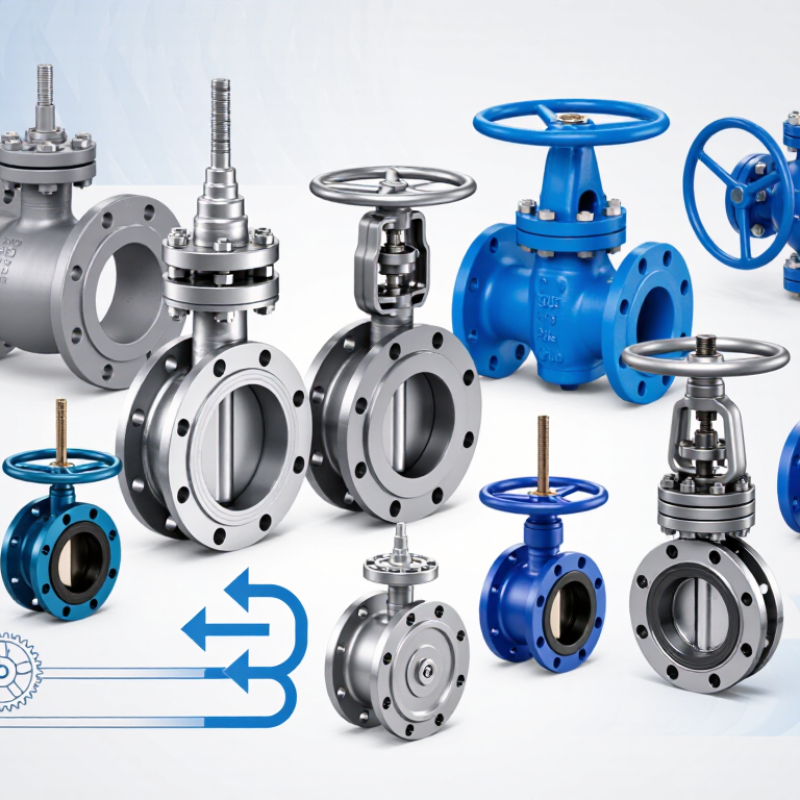
A butterfly valve controls fluid flow with a circular disc mounted inside a pipe. The disc rotates around a central stem, usually through 90 degrees. When the disc faces the flow, the passage is open. When it turns across the passage, flow decreases or stops.
Simple movement. Reliable control.
During field inspections, technicians often check the disc edge, stem seal, and seat condition. A damaged seat may cause leakage even when the handle appears fully closed. The valve body can use resilient, lined, or metal-seated materials. Each option suits different temperatures, pressures, and fluid conditions. Manual handles work well on smaller lines, while pneumatic or electric actuators support remote operation. Incorrect actuator sizing can create slow movement or unnecessary stress.
Manufacturers and suppliers should provide pressure ratings, material certificates, torque data, and clear installation instructions. They should also explain testing procedures instead of offering vague performance claims. Face-to-face dimensions matter when replacing an existing valve. A small mismatch can delay installation. I have found that real operating conditions deserve more attention than a catalogue photograph. Flow speed, suspended particles, temperature changes, and frequent cycling all affect service life. Butterfly valves are efficient, but they are not suitable for every throttling application. Continuous partial opening may increase wear, vibration, or erosion. That detail is easy to overlook.

Key Types and Applications of Butterfly Valves
Top Butterfly Valve Manufacturers and Suppliers?
Butterfly valves control flow with a rotating disc inside the pipe. Their compact design saves space, weight, and installation time. Concentric valves suit water distribution, cooling systems, and low-pressure air lines. The resilient seat provides reliable shutoff when temperature and media remain within its limits.
For higher temperatures or frequent cycling, double-offset valves reduce seat wear during operation. Triple-offset valves use a metal seat and suit steam, hot oil, and demanding process lines. Wafer, lug, and flanged patterns serve different connection needs. Wafer valves fit between flanges, while lug valves allow easier section removal.
Application changes the correct choice. Food processing requires cleanable materials and careful surface finishing. Chemical service demands compatibility checks for the disc, shaft, and seat. Firewater systems need dependable actuation and documented testing. In field inspections, I check torque, flange alignment, stem condition, and visible seat damage before blaming the valve.
A supplier should provide pressure-test records, material certificates, dimensional data, and traceability documents.
Actuator sizing must consider pressure differential, temperature, and emergency operating conditions.
A valve may look suitable on paper but fail after poor alignment or unsuitable elastomers. I have learned that specification sheets are useful, yet never complete. Real service conditions deserve a second review.
How to Evaluate Butterfly Valve Manufacturers
Evaluating butterfly valve manufacturers requires more than comparing prices. Start with documented experience in your industry, valve size range, pressure classes, and operating conditions. Ask how long the manufacturer has produced similar valves. Request project references with verifiable contact details. Real field experience matters.
Review technical evidence carefully. Check material certificates, pressure-test records, leakage classifications, and dimensional inspection reports. A reliable supplier should explain testing procedures without hiding behind vague claims. Confirm whether production follows recognized standards and whether certificates come from qualified, independent bodies. Ask about elastomer compatibility, shaft design, coating quality, and actuator performance. Small details can prevent costly shutdowns.
Inspect the factory when possible. Look for calibrated equipment, controlled assembly areas, clear batch identification, and traceable records. Discuss lead times, spare parts, warranty terms, and technical support before placing an order. Response quality is revealing. Do engineers answer specific questions, or do sales staff provide only polished promises? No supplier is flawless. I would rather see an admitted limitation than an impossible guarantee. Still, one weakness should not be ignored without a corrective plan. Evaluate sample valves, not only brochures. Operate the valve through several cycles and examine sealing, torque, and movement. A lower quotation may conceal thinner materials, weaker inspection, or limited after-sales support. Reliability is built through evidence, not confident language.
Leading Global Butterfly Valve Manufacturers and Suppliers
Butterfly valves control flow in water treatment, power, chemical processing, and industrial pipelines. Leading global manufacturers focus on dependable sealing, accurate sizing, and consistent production. Their valves may use ductile iron, carbon steel, stainless steel, or corrosion-resistant alloys. Material selection should match pressure, temperature, media, and operating frequency.
Quality evidence matters. Reliable suppliers provide pressure-test reports, material certificates, dimensional drawings, and traceable serial numbers. They should explain seat performance, disc design, actuator options, and maintenance requirements clearly. Factory audits can reveal machining quality, assembly discipline, and testing capacity. A polished website proves very little.
Field conditions often expose weak choices. A valve that performs well in clean water may fail with abrasive slurry. Incorrect actuator sizing can also cause slow movement or premature wear. One detail is often missed. Ask about spare parts availability and technical support in your region. Delivery speed matters during shutdowns, but rushed selection creates larger costs later.
Experienced suppliers usually support engineers before purchase, not only after delivery. They review pipeline drawings, flow direction, installation limits, and control signals. Independent inspection may strengthen confidence for critical projects. However, no supplier is perfect, and published performance claims still need verification. Buyers should compare test procedures, warranty terms, documentation quality, and actual application references before approving an order.
Factors to Consider When Choosing a Valve Supplier
Top Butterfly Valve Manufacturers and Suppliers?
Choosing a butterfly valve supplier requires more than comparing unit prices. In field procurement, media, temperature, pressure, and cycling frequency determine the correct design. A resilient-seated valve may suit clean water. It may fail early in abrasive slurry. Ask for pressure-temperature charts, material certificates, torque data, and leakage-test records. ISO 5208 provides recognized leakage-testing methods, while API 609 covers important butterfly-valve design requirements. These standards do not replace engineering judgment.
Supplier reliability also depends on evidence. Grand View Research estimated the global industrial valves market at USD 78.71 billion in 2023, with continued growth through 2030. This expansion increases choice, but not necessarily quality. Request batch traceability, inspection plans, spare-part availability, and realistic lead times. Deloitte’s 2023 Smart Manufacturing survey found that 86% of manufacturers expect smart manufacturing to become a key competitiveness driver within five years. Digital documentation and responsive technical support therefore deserve careful evaluation. A polished portal is not proof of competence. That is easy to forget.
Tips: Compare total lifecycle cost, not only purchase price. Confirm certificates directly. Ask how rejected castings are controlled. Test a sample valve with your actual media when failure is costly. Review warranty exclusions carefully. A cheap valve can become an expensive shutdown. Who answers at 2 a.m.?
