

Mineral Oil vs Silicone Which is Better for Your Products?
When choosing personal care products, many consumers face a crucial decision: Mineral Oil And Silicone. Both ingredients have gained popularity due to their beneficial properties. It's essential to understand their distinctions and implications for product formulation.
Mineral Oil is a byproduct of petroleum. It acts as an occlusive agent, sealing moisture in the skin. This makes it effective for dry skin. However, some argue it can suffocate skin. On the other hand, Silicone provides a silky feel. It offers a lightweight barrier, giving products a modern touch. Yet, it may not be suitable for everyone's skin type.
As brands prioritize safety and efficacy, the debate continues. Which ingredient better serves consumer needs? Addressing this question involves examining skin types, product purposes, and personal preferences. Ultimately, choosing between Mineral Oil and Silicone may require more than a surface-level understanding. Balancing your product formulation with these considerations is essential for achieving the desired results.
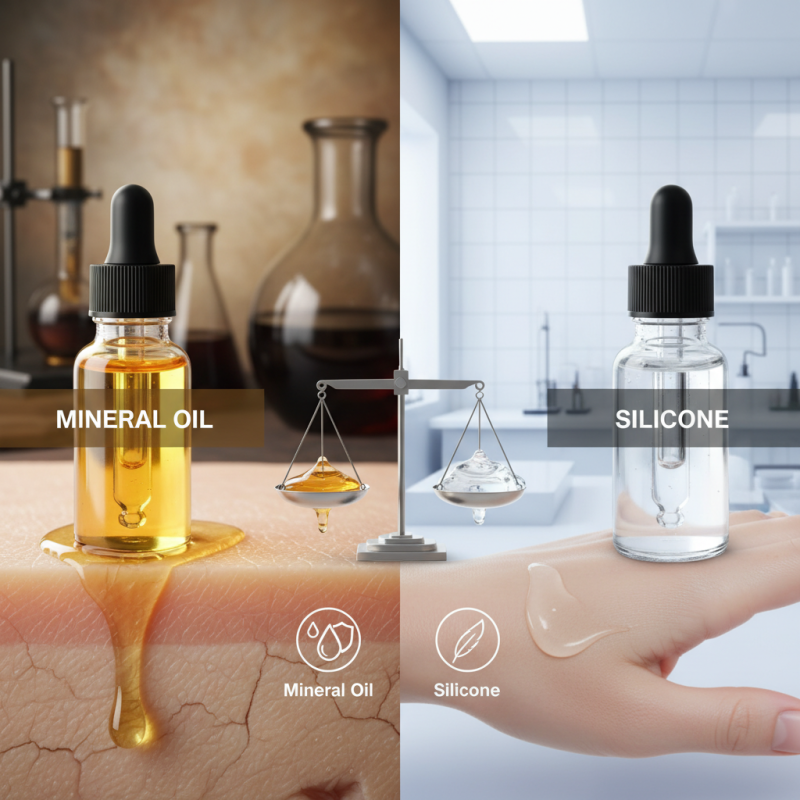
Comparison of Mineral Oil and Silicone: Key Characteristics
Mineral oil and silicone are both popular ingredients in various products, especially in cosmetics and personal care items. Mineral oil is derived from petroleum. It has moisturizing properties, making it useful in lotions and creams. Its ability to create a barrier on the skin helps to lock in moisture. However, some consumers worry about the safety and environmental impact of petroleum-based products.
Silicone, on the other hand, offers a different set of characteristics. It provides a smooth application and enhances the texture of products. Silicones are often used in hair care items to give shine and reduce frizz. They create a lightweight feel without the heaviness of mineral oil. Yet, some users find that silicones can lead to buildup on the skin or hair over time.
When comparing these two ingredients, it's essential to consider individual needs and preferences. Some might prefer the intensive hydration provided by mineral oil. Others may favor the lightweight, non-greasy finish of silicone. It's important to reflect on how each ingredient interacts with your skin or hair. Choosing between the two often depends on personal experiences and product formulation.
Mineral Oil vs Silicone: Comparison of Key Characteristics
Benefits of Using Mineral Oil in Products
Mineral oil has been a popular choice in the formulation of various products due to its unique properties. It is derived from petroleum and is known for its ability to provide a smooth texture. This characteristic makes it an excellent emollient for skin care products. It creates a barrier that locks in moisture, preventing dryness and leaving the skin feeling soft. Additionally, mineral oil is non-comedogenic, meaning it doesn’t clog pores, which is crucial for maintaining healthy skin.
Many formulations also benefit from the stability of mineral oil. It has a long shelf life, which is advantageous for manufacturers. This means products remain effective over time without losing their beneficial properties. One downside, however, is that some consumers are wary of petroleum-based ingredients. This perception leads some to prefer more "natural" alternatives. While mineral oil is effective, it’s essential to consider these differing views when choosing formulations. Balancing effectiveness with consumer preference creates an ongoing challenge in product development.
Mineral Oil vs Silicone Which is Better for Your Products? - Benefits of Using Mineral Oil in Products
| Characteristic | Mineral Oil | Silicone |
|---|---|---|
| Composition | Derived from petroleum | Synthetic polymer |
| Skin Feel | Rich and emollient | Silky and smooth |
| Moisturizing Properties | Highly moisturizing | Less moisturizing |
| Absorption | Slower absorption | Quickly absorbed |
| Non-Comedogenic | Can clog pores | Typically non-comedogenic |
| Cost | Generally lower cost | Higher cost |
| Environmental Impact | Less environmentally friendly | More environmentally friendly |
Advantages of Silicone as a Product Ingredient
Silicone has been gaining attention in various industries for its unique properties. Its flexibility and durability make it a popular choice for a wide range of products. The global silicone market is projected to reach $22 billion by 2025, indicating robust demand. This growth is driven by industries such as cosmetics, personal care, and pharmaceuticals, where silicone is increasingly seen as a valuable ingredient.
One major advantage of silicone is its compatibility with skin. It forms a breathable barrier that helps retain moisture. This is crucial for skincare products, where hydration is key. A report by the Cosmetic Ingredient Review suggests that silicone-based ingredients offer improved skin feel and texture. They create a smooth, soft finish that many consumers appreciate. Additionally, silicone is often non-comedogenic, meaning it does not clog pores, making it ideal for acne-prone skin.
However, not all silicones are created equal. Some formulations can lead to product buildup over time. Consumers and formulators must consider the balance in their product formulations. The perception of silicones has been mixed, with some advocating for natural alternatives. Yet, market data shows that silicone remains a preferred choice in many applications. Awareness of both benefits and drawbacks is essential for making informed decisions, whether for product development or consumer choices.
Application Areas: Where to Use Mineral Oil vs Silicone
When deciding between mineral oil and silicone for your products, it's essential to understand their application areas. Mineral oil is frequently used in cosmetics, as it provides excellent moisture retention. It's also common in pharmaceutical products due to its skin-repairing properties. However, some users may experience sensitivity to mineral oil, leading to potential irritation.
Silicone, on the other hand, is increasingly popular in skincare formulations. It offers a silky application and helps create a barrier on the skin. This barrier locks in moisture and enhances the texture of creams and lotions. Yet, some formulations can lead to a clogged feel. It's necessary to test products on various skin types to ensure compatibility.
Choosing between these two depends on your product goals. Mineral oil may not be ideal for those seeking lightweight options. Silicone can give a smooth application but might not absorb well on all skin types. Each has its place in the market, but user experience varies greatly. The choice hinges on the specific needs of your formulation and your audience's preferences.
Addressing Safety and Environmental Concerns with Both Ingredients
When evaluating mineral oil and silicone in product formulations, safety and environmental concerns emerge as key factors. Mineral oil, derived from petroleum, has been scrutinized for potential contaminants and environmental impact. A report from the Environmental Working Group reveals that certain types of mineral oil can introduce carcinogenic compounds during production. Understanding these safety concerns is vital for consumers seeking transparency in ingredients.
On the other hand, silicone, known for its synthetics, raises questions about its biodegradability. According to the U.S. Environmental Protection Agency (EPA), some silicones do not easily break down in the environment. While silicone's inert nature reduces skin irritation, environmental implications cannot be ignored. This creates a dilemma for formulators focused on sustainability.
Tip: Always check for ingredient sourcing when purchasing products. Transparency can indicate a brand's commitment to safety.
Tip: Consider the longevity of your products. Opt for biodegradable ingredients whenever possible to reduce environmental impact.
