

How to Use Red Face Light Therapy Safely?
Red Face Light Therapy is increasingly used in home skincare routines, yet safe use requires more than switching on a device. Red and near-infrared wavelengths may support cellular activity and reduce the appearance of mild redness, but results vary between individuals. Skin type, device strength, treatment distance, and session length all matter.
Dr. Michael R. Hamblin, a leading photobiomodulation researcher, has stated, “The mechanisms of action of photobiomodulation are not fully understood.” That caution is important. Red light therapy is promising, but it is not a guaranteed cure for acne, rosacea, wrinkles, or persistent inflammation. A careful user should follow the manufacturer’s instructions, keep the device away from wet surfaces, and avoid extending sessions for faster results.
Protect your eyes.
Before using Red Face Light Therapy, check whether you take photosensitising medication or have a condition that reacts strongly to light. A dermatologist can help assess those risks, especially when redness is painful, spreading, or accompanied by swelling. Clean, dry skin is usually the simplest starting point. Hold the panel or mask at its recommended distance, and record redness, warmth, or irritation after each session.
Some guidance remains imperfect. Device specifications differ, and many consumer products lack strong long-term clinical data. That uncertainty deserves attention. Stop treatment if burning, blistering, unusual pigmentation, or lasting discomfort appears. A gentle routine, realistic expectations, and professional advice create a safer foundation for exploring this technology.
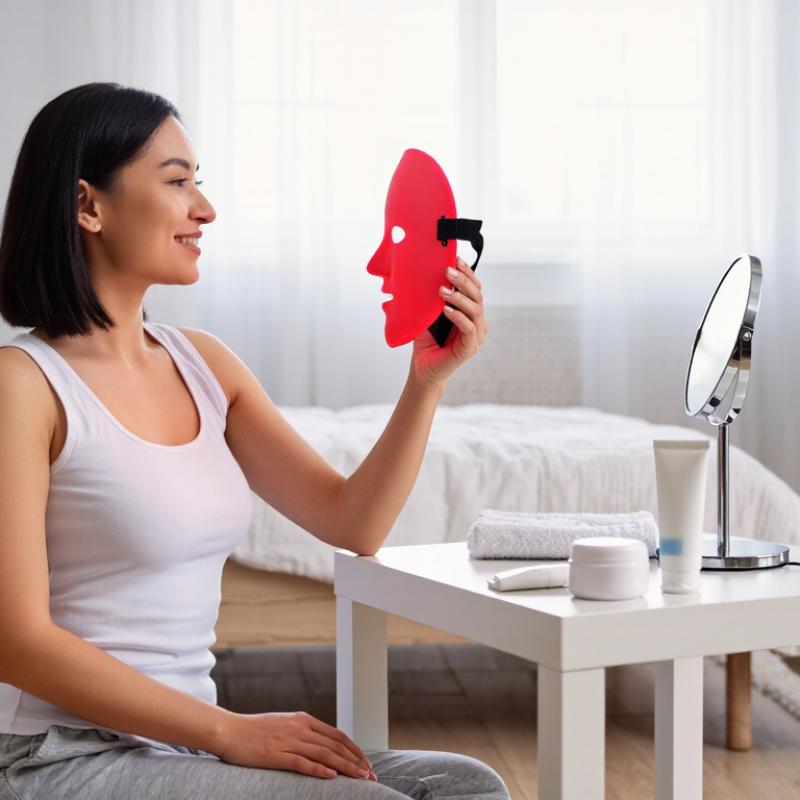
Understanding How Red Light Therapy Works
Red light therapy uses low-intensity red or near-infrared light to interact with cells. Red wavelengths usually reach the skin’s surface, while near-infrared wavelengths may travel deeper. Some research suggests this light can influence mitochondria, the structures that help cells produce energy. The process may support cellular signaling, circulation, and tissue repair. However, results vary between people. More light does not always mean better results.
Safe use begins with realistic expectations. Follow the device instructions, including treatment distance and session length. Clean, dry skin is usually easier to treat evenly. Protect your eyes when the instructions recommend it, especially with bright panels or near-infrared light. I once assumed longer sessions would improve results faster, but that assumption is not well supported. Skin may become warm or irritated when exposure is excessive. Stop if you notice pain, persistent redness, or visual discomfort. People using light-sensitive medicines, or managing eye and skin conditions, should ask a qualified healthcare professional before treatment. Device quality and wavelength accuracy also matter, yet home products are not always consistent. Keep a simple record of session time and skin reactions. That small habit can reveal patterns that memory misses.
How to Use Red Face Light Therapy Safely? – Understanding How Red Light Therapy Works
| Data Dimension | Evidence-Based Information | Safe-Use Guidance |
|---|---|---|
| How it works | Red and near-infrared light are absorbed by cellular structures and may influence mitochondrial activity, blood flow, inflammation, and collagen-related processes. Results vary by device and person. | Use it as a complementary skincare method, not as a replacement for sunscreen, prescribed treatment, or medical care. |
| Common light ranges | Visible red light is commonly around 620–700 nanometres (nm). Near-infrared light is generally above 700 nm and penetrates deeper than visible red light. | The wavelength alone does not determine effectiveness. Irradiance, dose, treatment distance, and exposure time also matter. |
| Typical treatment schedule | Many home-use protocols involve approximately 5–15 minutes per session, several times weekly. The correct schedule depends on the device’s tested instructions. | Start with the shortest recommended session and avoid adding extra sessions to accelerate results. |
| Expected skin benefits | Research suggests possible gradual improvements in the appearance of fine lines, skin texture, redness associated with inflammation, and wound-healing processes. Evidence and outcomes are not uniform. | Assess progress after several weeks rather than expecting an immediate change. Stop if irritation persists or worsens. |
| Before treatment | Clean, dry skin allows more consistent exposure. Makeup, sunscreen, and opaque products can reduce light reaching the skin. | Remove makeup and follow the device instructions. Do not apply irritating products immediately beforehand unless a clinician advises it. |
| Eye protection | Bright LEDs may cause discomfort, glare, headache, or temporary visual disturbance. Risk depends on brightness, distance, duration, and individual sensitivity. | Use the supplied eye protection when directed. Never stare directly into LEDs, and keep the device away from the eyes unless specifically designed for that use. |
| Heat and skin response | A mild feeling of warmth can occur. Excessive heat, burning, swelling, blistering, or persistent redness is not an expected therapeutic response. | Stop immediately if the skin feels painful or overheated. Allow the skin to return to normal before considering another session. |
| Photosensitivity risks | Some medicines and medical conditions increase sensitivity to light. Examples may include certain antibiotics, retinoid medicines, diuretics, and treatments for specific illnesses. | Ask a doctor or pharmacist before use if taking photosensitising medication or if you have a light-sensitive disorder. |
| Eye and skin conditions | People with eye disease, recent eye surgery, active skin disease, unexplained lesions, or a history of unusual reactions to light may need individual assessment. | Obtain medical advice before treatment and do not use light therapy over undiagnosed or actively infected skin. |
| Acne-related use | Red light may help calm inflammation, while blue light is commonly studied for acne-causing bacteria. Red light alone is not a guaranteed acne treatment. | Do not replace acne medication without professional advice, particularly for painful, cystic, or scarring acne. |
| Skin tone and pigmentation | Red light is non-ultraviolet and does not produce a conventional sun tan. Individual pigment changes or post-inflammatory darkening can still occur in sensitive skin. | Patch-test first, monitor for darker patches, and use broad-spectrum sunscreen daily because light therapy does not protect against ultraviolet radiation. |
| Combining with skincare products | Irritating ingredients such as strong exfoliating acids, benzoyl peroxide, or retinoids may increase discomfort in some users, although reactions depend on the product and individual skin. | Keep the routine simple at first. Introduce active ingredients separately and stop if stinging, peeling, or prolonged redness develops. |
| Pregnancy and breastfeeding | Direct safety evidence for cosmetic facial light therapy during pregnancy and breastfeeding is limited. | Consult an obstetric or medical professional before use, especially when using prescription medicines. |
| Device quality and specifications | Useful specifications include wavelength, irradiance, treatment area, recommended distance, timer, eye-safety information, and regulatory status where applicable. | Choose a device with clear instructions and safety information. Avoid relying on unsupported claims such as permanent lifting or guaranteed wrinkle removal. |
| When to stop and seek help | Severe pain, blistering, marked swelling, persistent rash, visual symptoms, or significant pigment changes require attention. | Discontinue treatment and contact a healthcare professional. Seek urgent care for sudden vision changes, severe eye pain, or facial swelling affecting breathing. |
Checking Whether Red Light Therapy Is Right for You
Red light therapy is not automatically suitable for everyone. It usually uses non-ultraviolet light, but devices differ in wavelength, strength, and treatment distance. Check the instructions carefully. A dermatology professional can help if you have lupus, light-sensitive skin, eye disease, or unexplained rashes. People taking photosensitizing medicines should also ask their prescriber before treatment. Pregnancy requires extra caution because research remains limited.
Look at your skin first. Do not treat open wounds, infected areas, or a sudden rash. Clean, dry skin is easier to monitor. Wear the recommended eye protection, especially when light reaches the face directly. Start with a short session, then observe your skin for several hours. Mild warmth may occur. Persistent redness, pain, swelling, or blurred vision is different. Stop and seek medical advice.
A patch test can reveal irritation, although it cannot predict every reaction. Keep a simple record of session time, distance, and skin changes. This makes mistakes easier to identify. The common mistake is assuming more light means faster results. It does not. Benefits may be modest, and improvement can take weeks. I would not use red light to replace prescribed treatment or professional evaluation. Even careful routines can fail when a device is poorly calibrated or used too close to the skin.
Choosing Safe Devices and Suitable Treatment Settings
Choosing a safe red light therapy device begins with its specifications, not its appearance. Look for clearly stated wavelengths, irradiance, treatment distance, and exposure time. For facial use, red light commonly falls near 630–660 nanometres, while near-infrared light may reach deeper tissue. More power is not automatically better.
Choose a device with a built-in timer, stable housing, and recognized electrical safety testing. The instructions should explain its distance from the skin and recommended weekly frequency. Use the lowest effective setting during your first sessions. Start slowly. Keep your face clean and dry, and avoid combining treatment with irritating acids, retinoids, or harsh exfoliants. Protect your eyes whenever the device instructions require it, especially when bright LEDs sit close to your face. Never stare directly into the lights.
A small test area can reveal unexpected sensitivity. Check the skin several hours later. Mild warmth may occur, but burning, swelling, blistering, or lasting redness means you should stop. Photosensitizing medicines and certain skin or eye conditions require professional advice before treatment. I once underestimated how easily dry skin could feel irritated after light exposure; reducing session length helped, but professional guidance would have been wiser. Keep a simple record of settings, distance, and skin response. It makes adjustments less speculative.
Following a Step-by-Step Red Light Therapy Routine
Using red light therapy safely starts with a simple, repeatable routine. Clean your face with a gentle cleanser, then pat it dry with a soft towel. Remove makeup, sunscreen, and heavy creams first. Read the device instructions carefully, because treatment distance and timing can vary. Protect your eyes if the instructions recommend it. Keep your skin relaxed.
Begin with a short session, often five to ten minutes. Hold the device at the suggested distance, and do not press it against your skin. Use it on a consistent schedule, such as three times weekly. More time is not automatically better. I once assumed longer sessions would improve results, but irritation changed my mind. Mild warmth can feel normal. Burning, sharp discomfort, swelling, or lasting redness is not.
Tips: Take a clear photo before your first session. Check your skin under similar lighting each week. Patch-test a small area when possible, especially if your skin reacts easily. Avoid combining treatment with irritating products, including strong exfoliants or prescription creams, unless a qualified clinician approves it. Clean the device surface after use, and never share eye protection without cleaning it. Stop if symptoms appear, and seek professional advice if they continue. People with light-sensitive conditions or medications should ask a dermatologist before starting. Routines need patience. Results can differ.
Recognizing Side Effects and When to Stop Treatment
How to Use Red Face Light Therapy Safely?
Red light therapy is usually well tolerated, but side effects still deserve attention. A 2023 systematic review of 31 clinical studies found that reported reactions were mainly mild and temporary, including redness, dryness, warmth, and irritation. Serious complications were uncommon. However, “uncommon” does not mean impossible.
Stop treatment immediately if your skin develops blistering, swelling, intense burning, or redness lasting beyond the next day. Eye pain, blurred vision, severe headache, or unusual light sensitivity also require prompt medical advice. The American Academy of Dermatology notes that short-term effects are often limited, while long-term safety remains less certain. That uncertainty matters.
Use the recommended session time, and never assume brighter light works faster. A common mistake is treating warmth as proof of effectiveness. It is not. Wear suitable eye protection, especially when treating areas near the eyes. Perform a small patch test before the first full session. People using photosensitizing medicines, or living with lupus, melasma, or an eye condition, should ask a qualified clinician first. A 2024 safety review also emphasized that home devices vary in intensity and exposure settings, so study results may not match personal use. Clinical evidence is not perfectly uniform. Keep a simple record of session length, distance, and skin response. Stop and reassess if symptoms keep returning.
