
Top 10 Types of Facial Products Today for Global Buyers
The global facial care market now offers more choices than many buyers can evaluate quickly. From gentle cleansers to advanced serums, each product serves a different skin need, texture preference, and purchasing goal. This guide examines the top 10 types of facial products today for global buyers, using practical details rather than marketing language alone.
A product’s value depends on its ingredients, formulation quality, packaging, and intended use. Cleansers remove daily dust and excess oil, while moisturizers support the skin barrier after washing. Sunscreens help protect exposed skin, and targeted products may address dryness, uneven tone, or occasional blemishes. The phrase facial today reflects a changing market, where lightweight textures, transparent labels, refillable packaging, and digital education influence buying decisions.
No list is perfect. Skin reacts differently.
Buyers should check ingredient lists, usage directions, shelf life, and local cosmetic requirements before placing large orders. A serum that performs well in a humid climate may feel unsuitable in a dry region. Fragrance, essential oils, and strong active ingredients can also create concerns for sensitive users. Patch testing remains a sensible step, especially when introducing exfoliants or concentrated treatments. Reliable suppliers should provide clear documentation, consistent batches, responsible claims, and responsive customer support. The following product categories offer a realistic starting point for comparing demand, suitability, and buyer expectations across international markets.
Defining Facial Products and Their Role in Modern Skincare
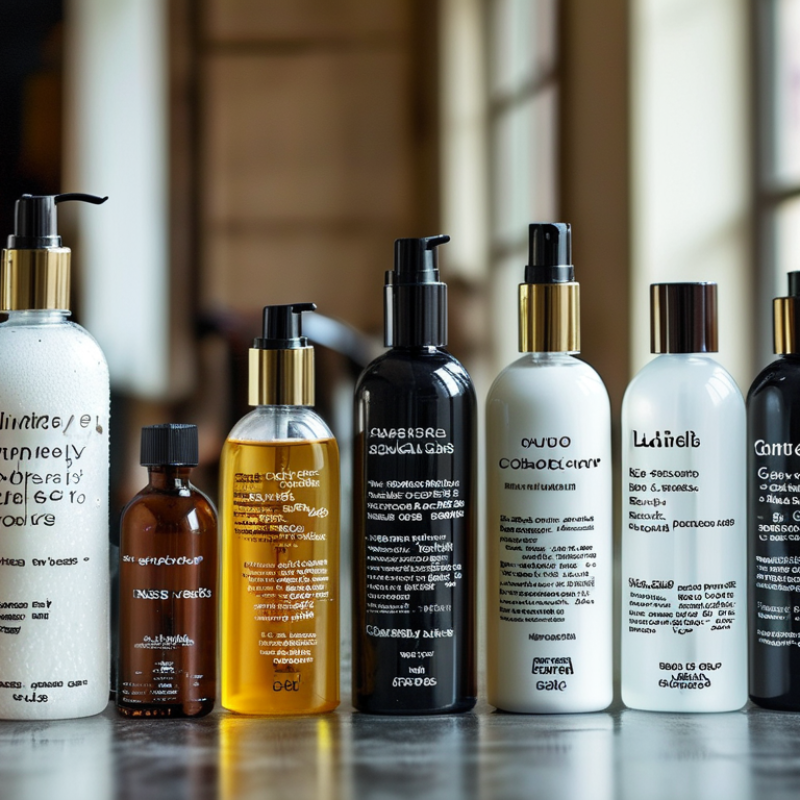
Facial products are topical formulas designed for the skin of the face. They include cleansers, toners, exfoliants, moisturizers, masks, serums, oils, and sunscreens. Each product targets a different task, such as removing residue, supporting hydration, or reducing visible dryness. A cleanser used after a humid commute should remove sweat without leaving tightness. A moisturizer may feel richer on dry cheeks than on an oily forehead. That difference matters. Skin type, climate, age, and personal tolerance all shape a sensible choice.
Modern skincare treats facial products as parts of a barrier-focused routine, not isolated miracle solutions. A gentle cleanser can prepare skin for later products, while sunscreen helps reduce ultraviolet damage during daylight. Ingredients deserve careful reading. Humectants attract water, emollients soften rough texture, and exfoliating acids loosen accumulated surface cells. However, stronger formulas are not automatically better. Frequent exfoliation can cause stinging, redness, or increased sensitivity. Patch testing on a small area is a practical safeguard, especially with unfamiliar ingredients.
For global buyers, reliable facial products should provide clear ingredient lists, usage directions, batch details, and compliant safety information. Claims should match credible cosmetic science rather than dramatic promises. Independent testing can help verify stability, contamination controls, and packaging performance. Still, no routine works perfectly for everyone. A product may pill under makeup, dry quickly in winter, or feel uncomfortable in tropical humidity. Those flaws are useful evidence, not minor annoyances. Adjusting frequency, quantity, or texture often reveals a better fit. Persistent irritation requires professional medical advice.
| No. | Facial Product Type | Definition and Main Role | Common Functional Ingredients | Typical Texture or Format | Primary Skin Concern | Typical Usage | Key Buyer Considerations |
|---|---|---|---|---|---|---|---|
| 1 | Facial Cleanser | Removes excess oil, perspiration, makeup residue, sunscreen, and surface impurities while preparing the skin for subsequent products. | Surfactants Glycerin Ceramides Panthenol | Gel, foam, cream, balm, oil, micellar water, or cleansing milk | Daily cleansing; oiliness, pollution residue, and general hygiene | Usually once or twice daily, depending on skin type and product formula | Gentle cleansing, low irritation potential, pH compatibility, rinse-off performance, and suitability for local water conditions |
| 2 | Facial Toner and Essence | Lightweight leave-on products used after cleansing to add hydration and deliver selected skin-conditioning ingredients. | Humectants Niacinamide Panthenol Botanical extracts | Watery liquid, milky liquid, mist, or fluid lotion | Dehydration, tightness, dull appearance, and preparation for layered skincare | Commonly used once or twice daily after cleansing | Fast absorption, low tackiness, fragrance level, preservative system, and compatibility with layered routines |
| 3 | Facial Serum | A concentrated leave-on treatment designed to target a specific concern with a relatively lightweight formula. | Vitamin C Hyaluronic acid Niacinamide Peptides | Clear gel, emulsion, oil-serum, or water-based fluid | Uneven tone, dehydration, visible signs of aging, or excess sebum | Usually applied once or twice daily according to active ingredients and tolerance | Ingredient stability, concentration transparency, packaging that limits light or air exposure, and compatibility with other actives |
| 4 | Facial Moisturizer | Helps reduce water loss and supports the skin barrier by combining humectants, emollients, and occlusive ingredients. | Glycerin Ceramides Squalane Shea butter | Gel, lotion, cream, balm, or water-cream | Dryness, dehydration, rough texture, and barrier discomfort | Usually applied after cleansing and treatment products, morning and evening | Skin-type range, climate suitability, absorption speed, non-comedogenic positioning, and barrier-support claims |
| 5 | Facial Sunscreen | Protects exposed skin from ultraviolet radiation and helps reduce sunburn and long-term photodamage when used correctly. | UV filters Antioxidants Film formers Humectants | Fluid, lotion, cream, gel, stick, spray, or tinted emulsion | Daily protection from UV exposure, including uneven pigmentation and premature visible aging | Applied generously as the final morning skincare step and reapplied during extended exposure | Broad-spectrum protection, tested SPF and UVA performance, water resistance where relevant, white-cast control, and local regulatory compliance |
| 6 | Exfoliant | Removes or loosens dead surface cells to improve skin smoothness and the appearance of clogged pores or uneven tone. | Lactic acid Glycolic acid Salicylic acid Enzymes | Liquid, toner, gel, cream, peel, powder, or rinse-off mask | Rough texture, dullness, excess oil, and non-inflammatory clogged pores | Often used one to several times weekly, depending on acid strength and skin tolerance | Active-acid level, pH, irritation risk, usage instructions, stability, and appropriate warnings for sensitive skin |
| 7 | Facial Mask | A short-contact treatment that provides hydration, oil absorption, soothing benefits, or a targeted cosmetic effect. | Clay Aloe vera Glycerin Antioxidants | Sheet, cream, clay, hydrogel, alginate, or overnight mask | Temporary dryness, excess oil, dull appearance, or need for an intensive treatment step | Generally used weekly or as directed by the formula | Single-use or multi-use packaging, drying time, removal convenience, ingredient claims, and shelf-life stability |
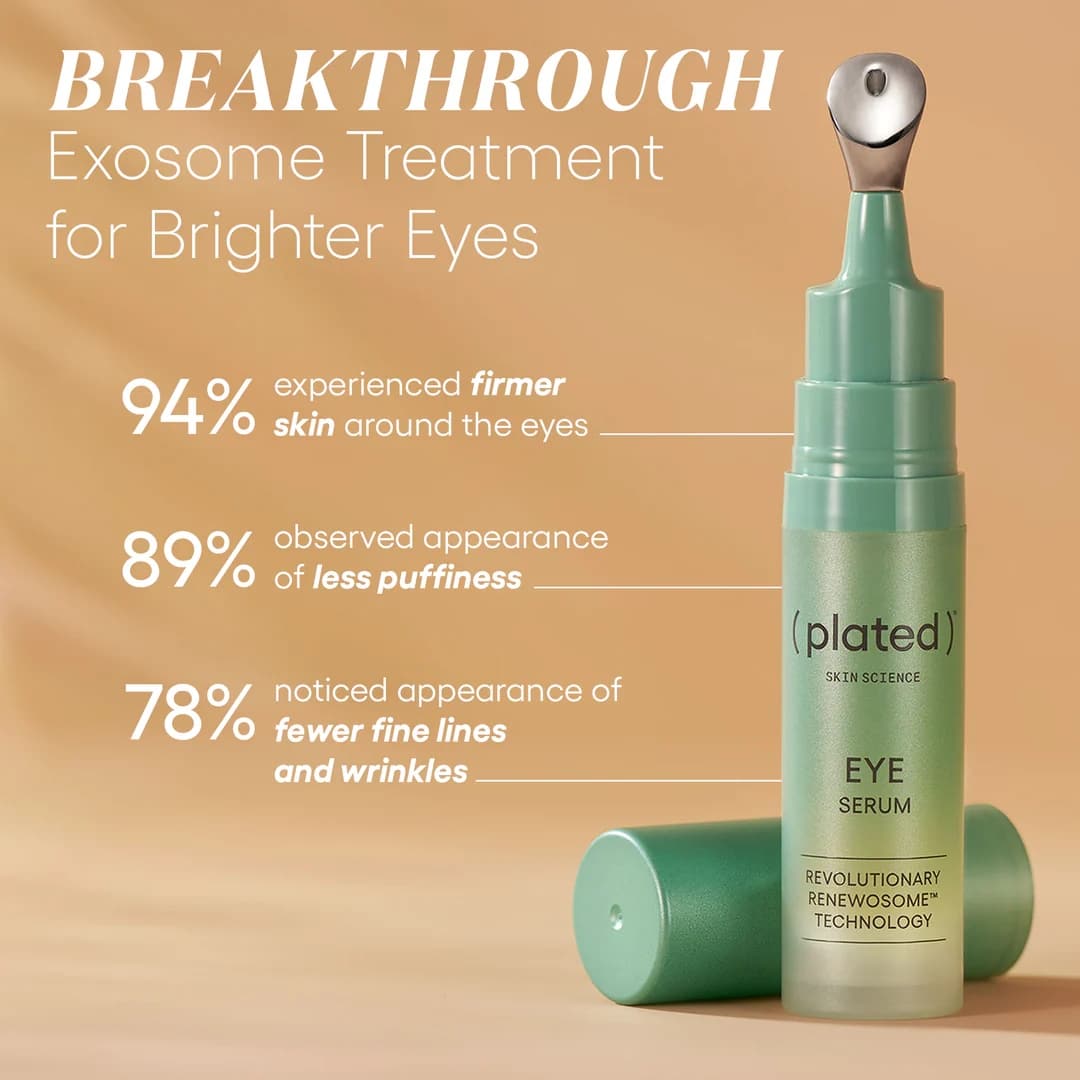
| 8 | Eye-Area Product | A specialized product formulated for the delicate skin around the eyes, where dryness and visible lines may be concerns. | Caffeine Peptides Hyaluronic acid Emollients | Light cream, gel, balm, serum, patch, or roll-on | Dryness, the appearance of fine lines, puffiness, and tired-looking skin | Usually applied in a small amount once or twice daily, avoiding direct eye contact | Ophthalmic-area tolerance, low fragrance, hygienic dispensing, lightweight feel, and clear use instructions |
| 9 | Facial Oil | An oil-based leave-on product that conditions the skin and helps reduce the feeling of dryness by supplying emollient lipids. | Plant oils Squalane Fatty acids Vitamin E | Light oil, dry oil, oil blend, or balm-to-oil | Dryness, roughness, and reduced softness or suppleness | Used in a few drops after moisturizer or mixed into a routine, often once daily | Oxidative stability, comedogenicity considerations, scent, dropper quality, and suitability for humid climates |
| 10 | Acne and Blemish Treatment | A targeted product intended to address blemishes, clogged pores, or excess oil with a focused active-ingredient approach. | Salicylic acid Benzoyl peroxide Azelaic acid Niacinamide | Spot gel, cream, lotion, serum, cleanser, or patch | Occasional blemishes, clogged pores, and excess sebum | Applied according to the active ingredient, product directions, and individual skin tolerance | Regulatory classification, active-ingredient limits, irritation warnings, evidence-based claims, and compatibility with sunscreen use |
Related Posts
-

2025's Ultimate Guide to Face Facial Spa Treatments and Benefits
-
Top 10 Glow Spa Treatments That Will Transform Your Skin?
-
Why You Need a Skin Esthetician for Your Ultimate Skincare Routine: Expert Tips and Benefits
-
Unlock the Secrets to Radiant Skin with At Home Spa Skin Care Rituals
-

Top 10 Benefits of Face Facial Spa Treatments for Your Skin?
-
Top Spa Skin Care Trends You Need to Know About