
Skip to content
Policy FAQ
   
(908) 210-9335
   
Now Available: Cherry Payment Plans!
Are you interested in paying in installments with Cherry payment plans? Get pre-approved today! Applying won’t harm your credit!
graphical user interface, website

Top Facial Therapy Trends for 2026 What Should Buyers Know?

As we approach 2026, the facial therapy industry is evolving rapidly. According to a report by Market Research Future, the global facial therapy market is expected to reach approximately $24 billion by 2026. This growth is driven by increasing consumer awareness and demand for skincare treatments. More people seek effective and non-invasive solutions to maintain their youthful appearance.

Emerging trends include the integration of advanced technologies, such as AI-driven personalized treatments. However, this introduces a complexity that buyers must navigate. Many treatments promise quick results, yet the effectiveness can vary significantly across different skin types. This inconsistency prompts consumers to critically evaluate their options.

Additionally, expert recommendations are vital in this evolving landscape. Studies show that 70% of consumers rely on professional advice before choosing a facial therapy treatment. Hence, establishing trust with providers is crucial. As buyers consider these new trends, they should remain mindful of potential pitfalls and place importance on evidence-based practices.
Top Facial Therapy Trends for 2026 What Should Buyers Know?

Emerging Technologies in Facial Therapy for 2026

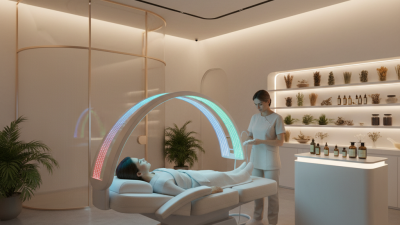
As we approach 2026, the landscape of facial therapy is evolving rapidly. Emerging technologies are reshaping how professionals deliver care. One of the most intriguing advances is the integration of artificial intelligence. AI offers personalized treatment plans based on skin analysis and patient data. This approach will likely enhance results and improve customer satisfaction.

Another notable development is the use of nanotechnology in skincare products. These tiny particles can penetrate the skin more effectively. Consequently, they deliver active ingredients deeper, promising quicker results. However, the efficacy and safety of such innovations must be carefully assessed. Potential side effects and long-term impacts remain under research.

On the horizon, virtual reality (VR) is poised to transform patient consultations. Imagine a scenario where clients can visualize treatment effects before committing. While this technology provides a glimpse into potential outcomes, concerns about accuracy still linger. Moreover, practitioners must adapt to new systems, requiring training and practice. As the industry moves forward, keeping an eye on these trends will be crucial for buyers seeking effective facial therapies.

Influential Ingredients in Future Facial Treatments

Facial therapy is evolving rapidly, driven by innovative ingredients that promise significant benefits. In 2026, expect to see a strong focus on natural and sustainable components. Ingredients like hyaluronic acid and botanical extracts will enhance hydration and nourishment. These elements are becoming staples in facial treatments due to their effectiveness and skin compatibility.

Understanding these influential ingredients is crucial for consumers. Look for products that list their sources and concentrations. This transparency can indicate product effectiveness. Additionally, many new ingredients, like peptides, are being studied for their anti-aging properties. With more research backing them, their presence in facial therapies is likely to grow.

Consider this when selecting treatments: not all ingredients are suitable for every skin type. Some can cause reactions, such as redness or irritation. Always test products on a small skin area first. Educating oneself about ingredient labels is key to making informed choices. It’s about finding what truly works for your skin, and being mindful of seeking advice from skin care professionals can help in this journey.

Personalization and Customization Trends in Skincare

As we approach 2026, the trend of personalization and customization in skincare is becoming increasingly prominent. Consumers are no longer satisfied with one-size-fits-all solutions. They seek treatments tailored to their specific skin needs, lifestyles, and preferences. This shift emphasizes a deeper understanding of individual skin types and conditions.

Facial therapy is evolving to meet this demand. Advanced technologies now allow for skin assessments that pinpoint unique concerns. This means that treatments can target issues like dryness, acne, or aging more effectively. However, while customization offers numerous benefits, it can also lead to information overload. Not every treatment is suitable for everyone, and it’s crucial for buyers to remain discerning.

In an era of abundant choices, clients must consider their skin's response to different products and routines. Psychological factors also play a role; excessive options can create stress. Industry professionals must guide clients, helping them navigate the complexities of personalized skincare. Striking the right balance between customization and simplicity is essential for an effective skincare journey.

Sustainability Practices in Facial Therapy Products

Sustainability is becoming a crucial focus in facial therapy products. Buyers in 2026 will need to understand this trend deeply. Eco-friendly formulations are now part of many treatment options. Consumers are seeking products that minimize environmental impact. This shift is reshaping the industry landscape significantly.

Choosing products with natural ingredients can be beneficial. Look for items that use biodegradable packaging. This reduces waste and supports a circular economy. Check if brands prioritize ethical sourcing of their materials. Suppliers should be transparent about their practices. Understanding the source of ingredients can build trust.

Some may wonder about the efficacy of sustainable products. It is essential to weigh the benefits and drawbacks. Not all natural ingredients have the same results as synthetic ones. Therefore, assessing individual needs is critical. A thoughtful approach to sustainability can lead to better choices in facial therapy.

Consumer Awareness and Education in Skincare Choices

Consumer awareness is rapidly changing in the skincare industry. More individuals are educating themselves about products and services. They seek not just immediate results but long-term skin health. This shift encourages brands to prioritize transparency. Ingredient sourcing, formulation details, and testing methods are now crucial for consumers. They want to know what they apply on their skin.

Education plays a key role in shaping consumer choices. Many people now research treatments before trying them. Online resources and social media influence decisions. Consumers are better informed about common ingredients and their effects. This knowledge empowers them to ask questions and demand high standards. However, misinformation is prevalent. Some individuals may still believe in myths or misconceptions.

It’s essential for brands to provide accurate information. Clear labeling and user-friendly guides can bridge knowledge gaps. An educated consumer is more likely to engage with brands that demonstrate integrity. As the skincare landscape evolves, continuous education will remain vital for both consumers and brands. Striving for clarity and honesty helps build a trustworthy relationship.

Back To Top Skip to content