
Skip to content
Policy FAQ
   
(908) 210-9335
   
Now Available: Cherry Payment Plans!
Are you interested in paying in installments with Cherry payment plans? Get pre-approved today! Applying won’t harm your credit!
graphical user interface, website

Top Skin Therapy Methods for Healthy and Glowing Skin?

Achieving healthy and glowing skin is a pursuit many strive for. This often involves exploring different skin therapy methods, which can vary in effectiveness based on individual skin types and conditions. Understanding these options is essential for making informed choices about skincare.

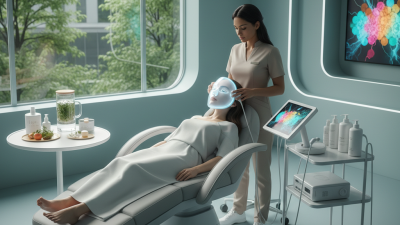
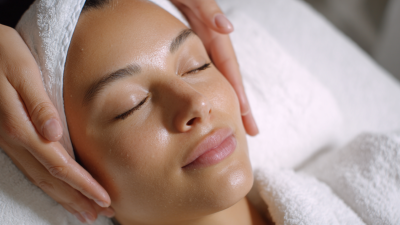
Skin therapy encompasses various treatments, from facials to advanced procedures. Each method carries its own set of benefits and limitations. For example, while chemical peels can rejuvenate skin effectively, they may not be suitable for everyone. An honest appraisal of what works is crucial. Consulting with professionals can guide one toward the right path, but it is equally important to manage expectations.

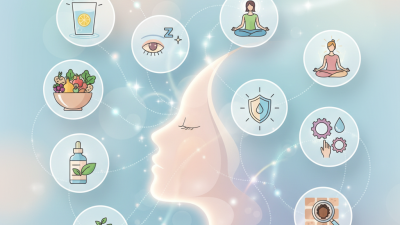
Embracing a holistic approach can enhance skin health beyond procedures. Incorporating a balanced diet, hydration, and sun protection is vital. However, it's easy to overlook these basics in favor of trendy treatments. Reflecting on one's experiences and choices in skin therapy can lead to a deeper understanding of what truly benefits the skin.

Top Skin Therapy Methods for Healthy and Glowing Skin?

Top Skin Therapy Methods for Healthy and Glowing Skin

Achieving healthy and glowing skin requires an effective skin therapy routine. According to the American Academy of Dermatology, regular skincare practices can significantly improve skin health. Hydration is key. Drinking enough water affects skin elasticity and moisture retention. Studies indicate that up to 60% of the human body is water. When hydration levels drop, skin can appear dull and dry.

Exfoliation plays a vital role as well. It removes dead skin cells, allowing new ones to emerge. Experts recommend gentle exfoliation 1-2 times per week. Over-exfoliation can lead to irritation and unwanted skin sensitivity. Finding the right balance is crucial. Professional treatments, such as chemical peels or microdermabrasion, can aid in rejuvenation. However, these should be approached with care. Skin sensitivity varies from person to person.

While natural remedies like aloe vera or honey show promise, results may not be consistent for everyone. Individual skin types react differently. A patch test is advisable before applying new products. Consulting with a dermatologist helps identify suitable treatments and techniques. Each skin journey is unique and often requires trial and error to achieve that radiant glow.

Understanding Skin Anatomy and the Importance of Skincare

The skin is the body’s largest organ, playing a vital role in protection and sensation. Understanding skin anatomy is crucial for effective skincare. The epidermis is the outermost layer, providing a barrier to environmental damage. Below it, the dermis contains blood vessels, collagen, and elastin, which support skin elasticity and hydration. Reports indicate that the skin loses moisture and collagen as we age, leading to dryness and wrinkles.

Tips: Stay hydrated! Drinking enough water supports elasticity.

Effective skincare requires knowledge of your skin type. Oily skin may need lightweight, non-comedogenic products to avoid clogged pores. Conversely, dry skin benefits from rich creams that replenish moisture. The American Academy of Dermatology emphasizes the importance of daily sunscreen, as UV exposure is a leading cause of premature aging.

Tips: Always read labels to choose the right products.

Be mindful that not all skincare routines are perfect. Over-exfoliating can lead to irritation and sensitivity. Balance is essential. Incorporating products gradually allows for adjustments based on skin reactions. Remember, consistency in your routine can make a significant difference over time.

Top Skin Therapy Methods for Healthy and Glowing Skin

The Role of Hydration in Maintaining Skin Health

Hydration is crucial for maintaining healthy skin. Our bodies are composed of about 60% water. This hydration affects skin elasticity and appearance. When dehydrated, skin may look dull and feel rough. Flaky patches often appear, making it hard to achieve that healthy glow. Proper hydration supports the skin barrier, preventing moisture loss.

Drinking enough water daily helps, but it isn’t the only solution. The foods we eat play a significant role too. Fruits and vegetables rich in water can boost hydration. Think cucumbers, oranges, and strawberries. These vibrant foods provide essential vitamins, enhancing skin health. Yet, many people overlook their diets. They focus solely on external products, neglecting what they consume.

Another area to reflect on is environmental factors. Pollution can strip moisture from the skin. As a result, hydration becomes even more essential. Skincare routines should adapt to these changes. A consistent moisturizing regimen can help combat dryness. However, hydration needs to come from within as well. Re-evaluating habits is key. Are you drinking enough water? What about your diet? Small adjustments can make a big difference.

Popular Dermatological Treatments: Efficacy and Evidence

Dermatological treatments have gained popularity for promoting healthy skin. Many individuals seek effective methods to enhance their skin's appearance and texture. Research indicates that various therapies yield promising results, though their effectiveness can vary widely among individuals.

Chemical peel is one such treatment. It involves applying a chemical solution to the skin, leading to peeling and renewal. While many report clearer and smoother skin post-treatment, side effects like redness and sensitivity occur. It's essential to consult with a dermatologist before starting this process. They can guide whether it’s suitable for your skin type.

Laser therapy is another option that many consider. This method targets specific skin concerns, such as pigmentation issues or acne scars. Patients often see noticeable improvements in skin tone and texture. However, some experience discomfort during the procedure. A thorough discussion with a skin expert can help set proper expectations and mitigate potential risks. Understanding individual skin needs is crucial in choosing the right therapy.

Natural Remedies: Evolving Research on Herbal Skin Therapies

Exploring herbal skin therapies has gained traction in recent years. Many people seek natural remedies for healthier skin, turning to traditional herbs for solutions. Research indicates that over 75% of the global population relies on plant-based treatments for skincare. These remedies often boast fewer side effects than synthetic options, appealing to many consumers.

Studies have shown the efficacy of various herbs. For example, aloe vera has been used for centuries to hydrate and heal the skin. Its gel is rich in vitamins A, C, and E, known for their antioxidant properties. In fact, a recent dermatological report revealed that aloe vera can reduce skin irritation by up to 40%. Similarly, turmeric is celebrated for its anti-inflammatory qualities, with clinical trials supporting its role in treating conditions like acne and eczema.

However, reliance on herbal remedies does require caution. Quality and concentration can vary significantly. Research published in dermatological journals stresses the importance of sourcing herbs from reputable suppliers. Additionally, individuals should consider possible allergies. Emphasis on an informed approach is crucial. Understanding what works for your skin type is key to making effective choices in your skincare regimen.

Conclusion

The article "Top Skin Therapy Methods for Healthy and Glowing Skin" explores various approaches to achieving optimal skin health. It begins with an overview of skin anatomy and the critical role proper skincare plays in maintaining its integrity. Hydration is emphasized as a fundamental aspect of skin health, affecting both appearance and function.

Additionally, the article delves into popular dermatological treatments, assessing their efficacy and supporting evidence, while also highlighting the growing interest in natural remedies, such as herbal therapies. Innovative technologies, including microdermabrasion and laser treatments, are discussed as effective skin therapy methods that can rejuvenate and enhance skin vitality. Overall, the article provides a comprehensive guide to understanding and implementing effective skin therapy techniques for a radiant complexion.

Back To Top Skip to content