
Skip to content
Policy FAQ
   
(908) 210-9335
   
Now Available: Cherry Payment Plans!
Are you interested in paying in installments with Cherry payment plans? Get pre-approved today! Applying won’t harm your credit!
graphical user interface, website

What Is Vitamin K3 Powder and What Is It Used For?

Vitamin K3 Powder refers to a powdered form of menadione or a menadione derivative. It is synthetic, unlike vitamin K1 in leafy greens and vitamin K2 in some fermented foods. That distinction matters. The name “vitamin K” covers several compounds, but they do not have identical properties or uses.

Vitamin K researcher Maret G. Traber has emphasized that different forms of vitamin K should not be treated as interchangeable. This is a useful lens for understanding K3. In animal nutrition, approved menadione forms may be included in formulated feed to help meet vitamin K requirements. The exact product, dose, and permitted use depend on its intended species and local rules. A feed-grade powder is not automatically suitable for people or household use.

Small details count. Check the product’s chemical form, concentration, storage guidance, and handling instructions. Dust, moisture, and inaccurate measurement can complicate use. Vitamin K3 also has a different safety profile from K1 and K2, so broad claims about “vitamin K benefits” should be viewed carefully. It is not a routine human supplement.

There is room for nuance here. Product labels can be technical, and public explanations sometimes blur the differences between forms. This guide will clarify what Vitamin K3 Powder is, where it is used, how it differs from other vitamin K forms, and what safety questions deserve attention before use. The aim is practical clarity—not a substitute for professional advice.
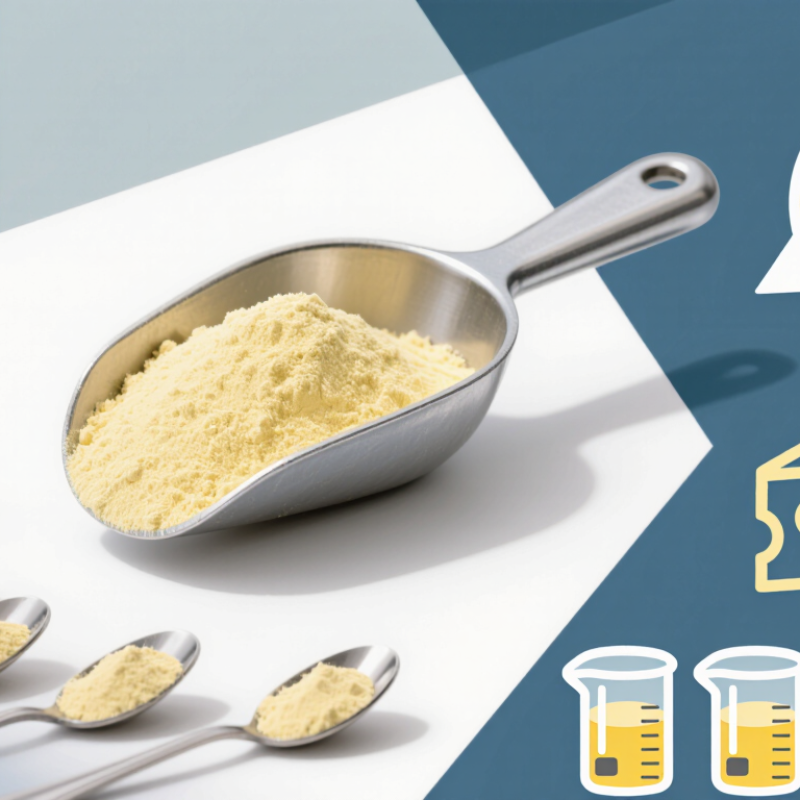
What Is Vitamin K3 Powder and What Is It Used For?

What Vitamin K3 Powder Is and How It Is Made

Vitamin K3 powder is a synthetic form of vitamin K, usually based on menadione. It differs from vitamin K1 in leafy greens and vitamin K2 in some fermented foods. It is not simply ground-up food. The powder is made for measured use, mainly in animal nutrition, where vitamin K supports normal blood clotting. It should not be treated as a casual human supplement; menadione can pose health risks, and use requires qualified guidance.

Manufacturers produce menadione through controlled chemical processing, then may combine it with stabilizing compounds or carriers to improve handling and storage. The exact composition varies. Some products are water-soluble menadione derivatives rather than pure menadione, so the ingredient name and specification sheet matter. Production quality checks can include identity, active content, moisture, and contaminant testing. Powder should be kept sealed and dry, since heat and humidity may affect its stability. Details matter here.

Tips: Check the label for the precise menadione form and intended species. Do not infer human suitability from the word “vitamin.” For animal feed, use only with guidance from a veterinarian or qualified nutrition professional. A small scoop can still deliver a concentrated dose.

Chemical Properties and Common Forms of Menadione

Menadione, commonly called vitamin K3, is a synthetic naphthoquinone. Its small molecular structure lacks the long side chain found in vitamin K1 and K2. This difference affects how it behaves in mixtures and biological systems. As a solid, menadione is typically a yellow crystalline powder with limited solubility in water. It dissolves more readily in some organic solvents. The color is easy to notice in a sample, but appearance alone cannot confirm purity or suitability.

Common forms include menadione itself and water-soluble bisulfite derivatives, such as menadione sodium bisulfite. These derivatives are used in some animal-feed formulations because they disperse more readily in water-based mixtures. Handling and storage still matter. Moisture, light, and formulation conditions can affect product stability, so specifications should be checked rather than inferred from a label or color. Small details count.

Menadione can support vitamin K activity, but it is not interchangeable with every form of vitamin K. Its safety profile also differs. High exposure has been associated with harmful effects, including red blood cell damage and liver injury. That distinction matters. Menadione is generally discussed in controlled feed or industrial contexts, not as a casual human supplement. The exact form, dose, and intended use should guide any evaluation, and clinical questions belong with a qualified health professional.

Uses of Vitamin K3 in Animal Nutrition

Vitamin K3, or menadione, is used in animal nutrition as a supplemental source of vitamin K. It supports the production of proteins involved in normal blood clotting. Poultry diets may include it when feed ingredients cannot reliably meet the animals’ needs.

The National Research Council’s Nutrient Requirements of Poultry (1994) lists 0.5 mg of vitamin K per kilogram of diet for chicks. That is a reference point, not a universal recipe. Age, diet composition, and production conditions all matter.

In a feed mill, vitamin K3 is commonly incorporated through a premix, helping distribute a small amount evenly through a larger batch. A pale, finely blended premix can look uniform, but appearance alone cannot confirm nutrient levels. Storage and processing conditions may also affect vitamin activity, so formulation records and quality checks are important.

Small details matter. Feed professionals should consider the complete ration, the animal’s life stage, and applicable feed guidance before adjusting inclusion. The NRC figure is useful, but it should not replace a current, species-specific formulation review.

How Vitamin K3 Differs from Vitamins K1 and K2

Vitamin K1, K2, and K3 share a name, but they are not interchangeable. K1, or phylloquinone, occurs mainly in leafy greens such as spinach and kale. It supports the production of proteins involved in normal blood clotting. A plate of cooked greens with a little oil offers a familiar dietary source.

K2 refers to menaquinones, a group that includes forms such as MK-4 and MK-7. These occur in some fermented foods and animal products, and their roles in bone and vascular health are still being studied. Not the same. K1 and K2 are fat-soluble vitamins found in foods; K3, or menadione, is a synthetic compound with different properties. It is water-soluble and is not generally considered a routine human dietary supplement.

Vitamin K3 powder is mainly used in controlled animal-nutrition settings, where it may serve as a vitamin source in feed. Its use differs by species and formulation. Safety matters: menadione has been linked to harmful effects, including red blood cell damage, particularly in infants. That distinction can be easy to miss. People taking anticoagulant medicines should seek professional guidance before changing vitamin K intake, since K1 and K2 can affect treatment.

Safety Considerations and Restrictions on Use

Vitamin K3 powder, also called menadione, is a synthetic vitamin K compound. It should not be treated like an ordinary human supplement. Safety depends on the chemical form, dose, species, and route of exposure. Menadione can cause oxidative damage to red blood cells and may injure the liver. Infants are especially vulnerable. Small details matter.

For people, do not take vitamin K3 powder unless a qualified medical professional specifically directs its use. Many places do not permit menadione in human dietary supplements, and rules differ by region. Vitamin K1 and K2 are different compounds; their safety information cannot simply be applied to K3. That distinction is easy to miss. I would avoid any product with unclear labeling or an unspecified concentration.

In animal nutrition, certain vitamin K sources may be permitted in feed, but suitability and limits vary by animal and jurisdiction. Follow the feed label and consult a veterinarian or qualified nutrition specialist before changing an animal’s diet. When handling powder, avoid breathing dust and keep it away from eyes, skin, children, and pets. Use protective gloves and keep it sealed in its original, clearly labeled container. If someone swallows it or develops symptoms after exposure, contact a poison center or medical professional promptly. Don’t guess at a dose.

What Is Vitamin K3 Powder and What Is It Used For?

Molecular weights of selected vitamin K forms (g/mol)

Vitamin K3, also called menadione, is a synthetic vitamin K form used in some animal-feed applications, subject to local regulations. It is not a standard human dietary supplement: menadione can cause harmful effects, including red blood cell damage, particularly at high exposure. Feed authorization and permitted levels vary by jurisdiction. Molecular weight identifies a compound; it does not indicate safety.

Back To Top Skip to content