Skip to content
Policy FAQ
   
(908) 210-9335
   
Now Available: Cherry Payment Plans!
Are you interested in paying in installments with Cherry payment plans? Get pre-approved today! Applying won’t harm your credit!
graphical user interface, website

What Is a Laser Hair Removal Spa?

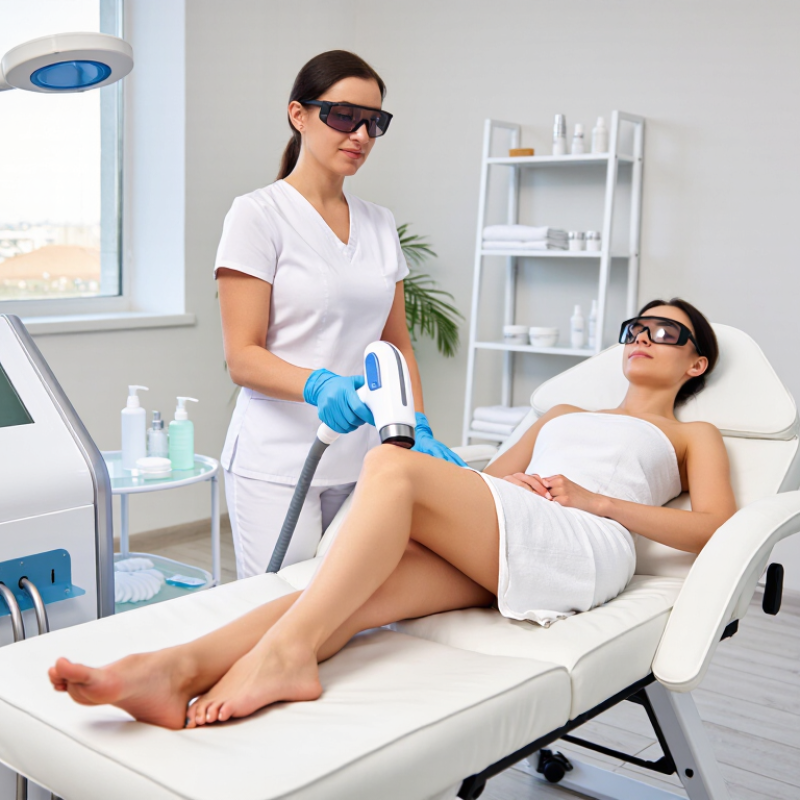
A laser hair removal spa is a professional setting where trained practitioners use light-based devices to reduce unwanted hair growth. The process usually involves a consultation, skin assessment, patch testing, and several scheduled treatments. Clients may notice warm flashes, a snapping sensation, and temporary redness around each follicle. Small details matter.

The market is expanding rapidly. Grand View Research estimated the global laser hair removal market at approximately USD 1.03 billion in 2023, with continued growth projected through 2030. The American Academy of Dermatology explains that most clients need multiple sessions because hair grows in different cycles. It also notes that treatment response varies with hair color, skin tone, hormones, and device selection.

A reputable laser hair removal spa should explain realistic outcomes. FDA-cleared systems generally support permanent hair reduction, not guaranteed permanent hair removal. That difference is important. Results can fade or require maintenance.

Safety should guide every decision. The practitioner should review medications, recent tanning, skin conditions, and previous reactions before treatment. Protective eyewear should be provided. Clear aftercare instructions should cover sun exposure, heat, shaving, and irritation.

Not every spa operates with the same expertise. Some descriptions sound polished but remain vague. Clients should ask who performs the procedure, which device is used, and how complications are handled. Professional training, documented experience, transparent pricing, and an honest consultation provide stronger evidence than dramatic promises. A laser hair removal spa can offer convenience and measurable improvement, but informed expectations remain essential.
What Is a Laser Hair Removal Spa?

Laser Hair Removal Spa: Definition, Services, and Professional Scope

What Is a Laser Hair Removal Spa?

Laser Hair Removal Spa: Definition, Services, and Professional Scope

A laser hair removal spa is a professional setting for reducing unwanted hair with controlled light energy. During treatment, the light targets pigment in the hair follicle. It may gradually reduce growth without removing every hair permanently. Results vary with hair color, skin tone, hormones, and treatment consistency.

Services often begin with a consultation, skin assessment, and medical history review. A qualified practitioner may discuss medications, recent tanning, skin conditions, and realistic treatment goals. Small areas, such as the upper lip or underarms, usually take only a few minutes. Larger areas need more time.

Protective eyewear is essential. Settings should be adjusted for each client, not copied from another appointment.

Professional care includes a patch test when appropriate, clear preparation instructions, and written aftercare. Clients may notice warmth, redness, or mild swelling around treated follicles. These effects commonly settle, but clients should receive specific guidance about sun exposure and skin products. An experienced practitioner keeps treatment records and checks the skin before every session. That practice improves consistency, although it does not guarantee perfect results.

The professional scope depends on local training requirements and health regulations. Reliable spas explain who performs the procedure and when medical referral is needed. They should not promise painless treatment or instant results. Frankly, some people need more sessions than expected. Hormonal changes can also affect maintenance needs. A careful consultation is sometimes slower, but it protects the client.

How Laser Hair Removal Works Across 755–1,064 nm Wavelengths

A laser hair removal spa is a professional setting where trained practitioners reduce unwanted hair with controlled light energy. The treatment targets melanin in the hair shaft, converting light into heat near the follicle. A consultation should examine hair color, skin tone, recent tanning, medications, and treatment goals. It should not feel rushed.

Wavelength choice matters. Around 755 nm, shorter light wavelengths are strongly absorbed by melanin and may suit lighter skin with darker, finer hair. Wavelengths near 810 nm reach slightly deeper and often provide a practical balance for varied hair thickness. At 1,064 nm, energy penetrates deeper with lower surface melanin absorption, making it useful for many darker skin tones when settings are carefully selected. Cooling and a small patch test can improve comfort and help reveal unexpected reactions.

A tidy wavelength chart can mislead. Skin response depends on pulse duration, fluence, spot size, hair cycle, and operator judgment, not wavelength alone. The process usually requires several sessions because only active-growth hairs respond well. Temporary redness or swelling around follicles can occur, while burns or pigment changes are uncommon but possible. Dark, gray, red, or very fine hair may respond poorly because it contains less suitable pigment. Reliable care includes clear aftercare, realistic expectations, protective eyewear, and records of settings. Good results are gradual. Not perfect.

What Is a Laser Hair Removal Spa? - How Laser Hair Removal Works Across 755–1,064 nm Wavelengths

Wavelength Generic Laser Category Primary Target and Action Typical Penetration Profile Common Treatment Considerations Important Limitations
755 nm Alexandrite laser Melanin in the hair shaft and follicle absorbs the light and converts it into heat, helping damage growth structures during the anagen, or active-growth, phase. Relatively strong melanin absorption with effective energy delivery to superficial and moderately deep follicles. Often considered for lighter skin tones with dark hair when suitable settings and cooling are used. Higher epidermal melanin absorption can increase the risk of burns or pigment changes on darker or recently tanned skin if settings are inappropriate.
810 nm Diode laser Uses selective photothermolysis: melanin absorbs light, heat spreads through the follicle, and repeated treatments can produce long-term hair reduction. Intermediate penetration and melanin absorption, offering a balance between follicle reach and epidermal protection. Commonly used across a broad range of skin tones with individualized fluence, pulse duration, spot size, and cooling. Results depend on hair color, thickness, growth phase, hormonal factors, treatment interval, and operator technique.
940 nm Near-infrared diode laser Targets hair melanin with near-infrared energy and heats the follicle while the surrounding skin is protected through pulse control and cooling. Generally penetrates deeper than shorter wavelengths, with lower melanin absorption than 755 nm. May be selected when a deeper-penetrating near-infrared approach is desired, subject to device specifications and clinical judgment. Less standardized in consumer descriptions and clinical protocols than 755, 810, and 1,064 nm; performance varies by device and settings.
1,064 nm Nd:YAG laser Delivers long-wavelength near-infrared energy to heat the follicle while producing comparatively less absorption in epidermal melanin. Deepest penetration among the wavelengths listed, with lower melanin absorption than shorter wavelengths. Often selected for darker skin types or recently less-tanned skin when performed by a qualified professional using appropriate parameters. Lower hair-melanin absorption may require careful parameter selection; it may be less efficient for very fine, light, red, gray, or white hair.
How a laser hair removal spa works: A professional spa or clinic uses a laser device to deliver controlled pulses of light to hair-bearing skin. The light is absorbed primarily by pigment in the hair, converted into heat, and used to impair the follicle. Because hair follicles cycle independently, multiple sessions are normally required. Treatment provides long-term hair reduction rather than a guaranteed permanent removal of every hair.
Safety and suitability note: A consultation and test spot should assess skin type, tanning status, medications, hair characteristics, and medical history. Protective eyewear, appropriate cooling, and trained supervision are important. Temporary redness or swelling around follicles can occur; blistering, burns, scarring, and pigment changes are uncommon but possible, especially with unsuitable settings or recent tanning.

Key principle: Wavelength selection balances hair-melanin absorption, follicle depth, epidermal melanin protection, skin tone, hair characteristics, and treatment settings. No single wavelength is optimal for every person or body area.

Why Most Clients Require at Least Six Treatment Sessions

What Is a Laser Hair Removal Spa?

A laser hair removal spa provides supervised treatments that reduce unwanted hair over time. Laser energy targets pigment in the hair follicle, while protecting the surrounding skin. A qualified practitioner should assess your skin tone, hair color, medical history, and treatment goals. They may also perform a patch test before starting. The process feels clinical, not mysterious.

Why Most Clients Require at Least Six Treatment Sessions

Most clients need at least six sessions because hair grows in different cycles. Laser treatment works best when follicles are actively producing hair. One visit cannot reach every follicle. Sessions are usually spaced several weeks apart, allowing new growth to appear before the next treatment. After each appointment, hair may look finer, grow more slowly, or shed naturally. Progress is gradual.

An experienced practitioner records treatment settings and monitors your skin response. Mild redness or warmth can occur for a short time afterward. Following aftercare instructions matters, including gentle cleansing and sun protection. Hormonal changes, hair thickness, skin type, and treatment area can affect results. Some clients need eight or more sessions. Six is an estimate, not a promise. I would question any clinic promising complete removal after one appointment, because real outcomes are rarely perfectly predictable.

Safety Standards: FDA-Cleared Devices, Skin Types, and Cooling Systems

What Is a Laser Hair Removal Spa?

Safety Standards: FDA-Cleared Devices, Skin Types, and Cooling Systems

A laser hair removal spa provides controlled light treatments for reducing unwanted hair. Safety begins with the device, not the room’s appearance. Ask whether the equipment is FDA-cleared for hair reduction and whether staff receive formal training. FDA clearance supports a device’s intended use, but it does not guarantee perfect results or risk-free treatment. The practitioner should review medications, recent tanning, skin conditions, and previous reactions before adjusting settings.

Skin type matters greatly. Darker skin contains more melanin, which can absorb laser energy and increase burn or pigment-change risks. A skilled practitioner should assess your skin and hair contrast, choose suitable settings, and perform a patch test when appropriate. Protective eyewear is essential. Treatments should also avoid irritated, broken, or freshly sunburned skin. Hair color matters too. Very light, gray, or red hair may respond poorly because it contains less target pigment.

Cooling systems help protect the surface of the skin during each pulse. They may use chilled air, a cooling tip, or a gel layer. The area should feel warm and sharp, not unbearably painful. Speak up if discomfort becomes intense. A slower appointment can be safer than rushed treatment. No device removes every hair permanently, and results vary with hormones, hair thickness, and treatment timing. That limitation deserves honest discussion. Always follow aftercare instructions, including sun protection and gentle skin care.

Treatment Costs, Maintenance Visits, and Expected Hair-Reduction Results

What Is a Laser Hair Removal Spa? Treatment Costs, Maintenance Visits, and Expected Hair-Reduction Results

Laser hair removal spas provide light-based treatments that gradually reduce unwanted hair growth. Costs depend on the treatment area, hair density, location, and number of sessions. Underarm treatments usually cost less than full legs or the back. Ask for the complete treatment estimate, including consultations and possible maintenance visits. Package pricing may seem attractive, but confirm what happens if results develop slowly.

Most clients need about six to eight sessions, spaced four to eight weeks apart. Hair grows in cycles, so one appointment cannot treat every follicle effectively. After the initial course, maintenance may be needed every six to twelve months. Results vary with skin tone, hair color, hormones, and the treatment device. Reduction is usually gradual, not perfect removal. Some hairs may return finer and lighter. Results can feel uneven.

Tips: Choose a qualified, experienced practitioner who explains risks clearly. Ask whether a patch test is appropriate for your skin. Avoid waxing or plucking before appointments, because the follicle must remain present. Shaving is commonly recommended instead. Protect treated skin from strong sunlight, and follow the clinic’s aftercare instructions. Keep a simple photo record under similar lighting. It may reveal progress that a bathroom mirror hides. Be cautious with promises of permanent, complete removal. A careful consultation should discuss limitations, costs, and realistic expectations.

What Is a Laser Hair Removal Spa?

Laser hair removal uses concentrated light to reduce hair growth by targeting pigment in the hair follicle. The chart shows typical U.S. price ranges for a six-session treatment course by treatment area. Actual costs vary by location, hair density, skin and hair characteristics, and the number of sessions required.

Most people need multiple sessions because laser treatment is most effective during the active growth phase of the hair cycle. After an initial course, maintenance visits are commonly scheduled once or twice per year, although some people may need more frequent touch-ups. Clinical results are generally described as long-term hair reduction rather than permanent removal; a commonly cited outcome is approximately 70%–90% reduction after a complete treatment course, with individual results varying.

Back To Top Skip to content