
What Are the Best Types of Chaga Powder?
Choosing the best Chaga Powder is less about a bold label and more about what is inside the pouch. Look closely at the ingredient list, source, and processing details. A fine, earthy powder should not leave you guessing about whether it contains only chaga or a blend. The difference matters.
Herbalist and author Christopher Hobbs has emphasized the importance of properly identifying medicinal mushrooms and preparing them appropriately. That principle is useful when comparing Chaga Powder products: clear species identification and transparent processing details are signs of a more trustworthy product. Still, a polished label is not proof. Ask what part of the mushroom was used, how it was processed, and whether testing information is available. Small details count.
This guide compares common forms, including fruiting-body powders, extracts, and blended products. It also considers sourcing, testing, texture, and everyday use. A powder that dissolves neatly into warm tea may suit one person; another may prefer a stronger extract. There is no universal winner. And labels can be vague. That deserves a pause.
Chaga has a long history of traditional use, but tradition alone does not establish a health benefit. Product quality can vary, and research on specific preparations remains limited. The aim here is practical: help readers assess what they are buying, understand trade-offs, and choose with care—not treat a supplement as a substitute for medical advice.
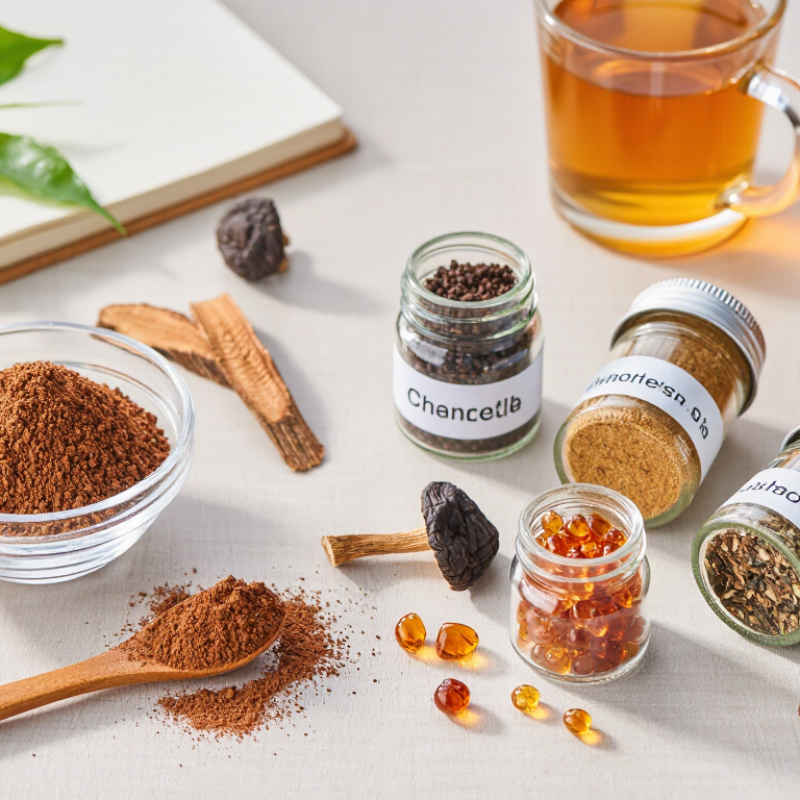
How Chaga Powder Is Made and What It Contains
Chaga powder begins as the dark, woody growth collected from birch trees. After removal of bark and debris, the material is dried and milled. Drying temperature and particle size can affect color, texture, and how readily compounds dissolve in water. The label matters: plain ground chaga is not the same as an extract, which is brewed or otherwise processed, concentrated, and dried. That distinction is easy to miss.
Laboratory studies report polysaccharides, including beta-glucans, alongside triterpenes and dark pigments often described as melanin. Their measured levels vary with the tree, growing conditions, and processing; a powder’s deep color alone cannot verify its composition.
Processing matters. A 2014 clinical case report by Kikuchi and colleagues documented oxalate nephropathy associated with prolonged, high chaga-powder intake. One case cannot establish typical risk, but it is a reason not to treat “natural” as proof of safety.
A useful product specification should identify whether the powder is raw or extracted and provide testing for identity, contaminants, and relevant constituents. Without those details, comparing powders by appearance or serving size is guesswork.

The Main Types of Chaga Powder Available
Chaga powder varies by the material used and how it is processed. Whole-sclerotium powder is finely ground chaga, often dark brown and slightly gritty in a mug. Hot-water extract powder is made to disperse more readily; some products use both water and alcohol extraction. These are processing differences, not proof that one type works better. Wild-harvested describes the source, not the powder itself. Check whether the label names Inonotus obliquus and identifies the part used.
Grand View Research estimated the global functional mushroom market at US$31.8 billion in 2023, with projected annual growth of 10.9% from 2024 to 2030. That broad category includes many mushrooms and products, so the figure is not chaga-specific. Still, it helps explain why clear labels matter. Look for extraction details, batch testing for heavy metals, and a stated serving size. Chaga grows on birch, and sourcing can affect what ends up in a powder. The label can still leave gaps. I would treat vague claims about “full spectrum” cautiously, since the phrase alone does not explain the ingredients or process.
What Are the Best Types of Chaga Powder?
Main types compared by how they are prepared
Raw powder is dried and ground Chaga. Hot-water extract powder is made using water extraction; dual-extract powder uses both water and alcohol extraction. The chart shows preparation features—not product quality, potency, or health effects. The best type depends on your intended use and the product’s verified preparation details.
How Processing Methods Affect Chaga Powder
What Are the Best Types of Chaga Powder?
How Processing Methods Affect Chaga Powder
Chaga powders can look alike in a jar, but processing changes their texture and how they mix. Whole chaga material is cleaned, dried, and milled; the resulting powder may feel gritty and settle in hot water. Drying time and temperature matter. Uneven drying can leave damp spots, while excessive heat may affect some constituents. Small details matter.
Some powders are made from hot-water extracts and then dried. They often mix more easily and contain a more concentrated soluble fraction, but “extract” does not automatically mean better. Extraction ratios can be reported in different ways, and labels may not explain the solvent, temperature, or starting material. A dark color proves little.
Look for clear information about the source material, drying and extraction steps, and checks for identity and contaminants. A dry, evenly milled texture can be a practical clue, not proof of quality. Compare products cautiously: grind size changes how a cup feels, and harvest conditions also affect the raw material. There is no single processing method for every use.
What Are the Best Types of Chaga Powder? How Processing Methods Affect Chaga Powder
| Type of Chaga Powder | Typical Processing | What Processing Changes | Best Suited For | Points to Consider |
|---|---|---|---|---|
| Whole-milled Chaga | Dried chaga is ground into a powder without a separate water or alcohol extraction step. | Retains the ground fungal material, including components that may be difficult to dissolve in water. Grinding makes it easier to measure and use, but does not make all constituents readily extractable. | People who want minimally processed material for simmering, tea preparation, or recipes. | Chaga’s hard structure means simply stirring the powder into a drink may not extract its water-soluble compounds efficiently. It is not equivalent to an extract powder. |
| Hot-Water Extract Powder | Chaga is extracted in hot water; the liquid extract is then concentrated and dried into powder. | Hot water extracts water-soluble constituents, including polysaccharides. The finished extract’s composition depends on the raw material and the manufacturer’s extraction and drying process. | Convenient drink preparation and people specifically seeking a water-extracted product. | “Extract” does not guarantee a particular strength or composition. Look for clear processing information and independent quality testing rather than relying on the word alone. |
| Dual-Extract Powder | Uses both water and alcohol extraction steps, usually followed by concentration and drying. | Combines constituents extracted by water with some constituents that are more soluble in alcohol. The balance varies with the extraction protocol. | People who prefer a product made with both extraction methods and want a clearly described process. | Dual extraction does not automatically make a product superior. Check whether the label explains the process and whether the final powder contains carriers or other added ingredients. |
| Spray-Dried Extract Powder | A liquid extract is atomized and rapidly dried. A carrier may be used to help produce a stable, free-flowing powder. | Changes the extract’s physical form and can make it easier to mix and package; it is a drying method, not an extraction method by itself. | People who value convenient, easy-to-measure powder. | Check the ingredient list for carriers and the label for the extraction method. Spray-dried powder may be made from either water extract or another extract type. |
| Freeze-Dried Extract Powder | A liquid extract is frozen and dried under reduced pressure to remove water. | Produces a dry extract without using conventional high-temperature drying. This processing choice alone does not establish greater potency or better results. | People who prefer a freeze-dried format and can verify what was extracted before drying. | Freeze-drying describes the drying step, not whether the starting material was whole-milled, water-extracted, or dual-extracted. |
| Fermented Chaga Powder | Chaga material or an extract is fermented with microorganisms before drying or further processing. | Fermentation can alter the material’s composition, but outcomes depend on the organisms and production conditions. | People interested in fermented products who can find detailed process and quality information. | Fermentation methods and evidence are not standardized across products; claims of enhanced benefits should be treated cautiously. |
How to choose: The best type depends on how you plan to use it: whole-milled powder is suitable for simmering, while extract powders are more convenient for drinks. Compare the stated extraction and drying methods, ingredient list, and independent testing for identity, contaminants, and heavy metals. Chaga products are not proven treatments for disease. Chaga may contain substantial oxalates, so people with kidney disease or a history of kidney stones should consult a healthcare professional before use.
How to Choose Chaga Powder for Your Needs
Choosing chaga powder starts with how you plan to use it. For a warm drink, a finely milled powder may stir more easily, though it can still leave sediment. If you prefer a less earthy taste, check whether the product is blended with other ingredients. Plain powder gives you more control over flavor and serving size.
Read the label closely. It should identify the mushroom material, the country or region of origin, and whether the powder is extracted or simply ground. These details matter because products can differ in composition and preparation. Look for independent testing information for identity, heavy metals, and microbial quality. A vague label is a reason to pause. “Wild harvested” alone does not tell you how quality was checked.
Choose a format that fits your routine, not the boldest promise. A small, resealable pouch can help keep powder dry; a damp spoon can cause clumping. Start with the label’s suggested amount, and notice how the flavor works in tea, broth, or oatmeal. I would not treat chaga as a proven remedy. Evidence for many wellness claims remains limited, and people with health conditions or regular medications should ask a qualified clinician before using it.
Quality, Safety, and Storage Factors to Consider
The best chaga powder is not necessarily the darkest or finest. Look for clear details about the mushroom’s identity, source, and processing. Some powders are simply ground material; others are extracted before drying, which can change their composition. A fine texture may mix easily, but it does not prove purity. Small details matter. Prefer products with batch-specific testing for heavy metals and microbial contamination, and check that the test comes from an independent laboratory. A label can still leave questions, so contact the seller if it omits basic testing information.
Safety deserves equal attention. Chaga is not a proven treatment for disease, and research on supplements remains limited. Some chaga products may contain substantial oxalates, which could be a concern for people with kidney problems. It may also affect blood sugar or blood clotting, though evidence is not conclusive. Ask a qualified health professional before use if you take medication, have a medical condition, are pregnant, or are breastfeeding. I would not assume “natural” means risk-free.
Store powder in a tightly sealed container, away from sunlight, heat, and steam. Keep the scoop dry; moisture can encourage clumping or spoilage. Keep it dry. Check the powder for unusual odors, visible mold, or changes in texture, and discard it if anything seems off.
