
Why Book a Facial for Glowing Healthy Skin?
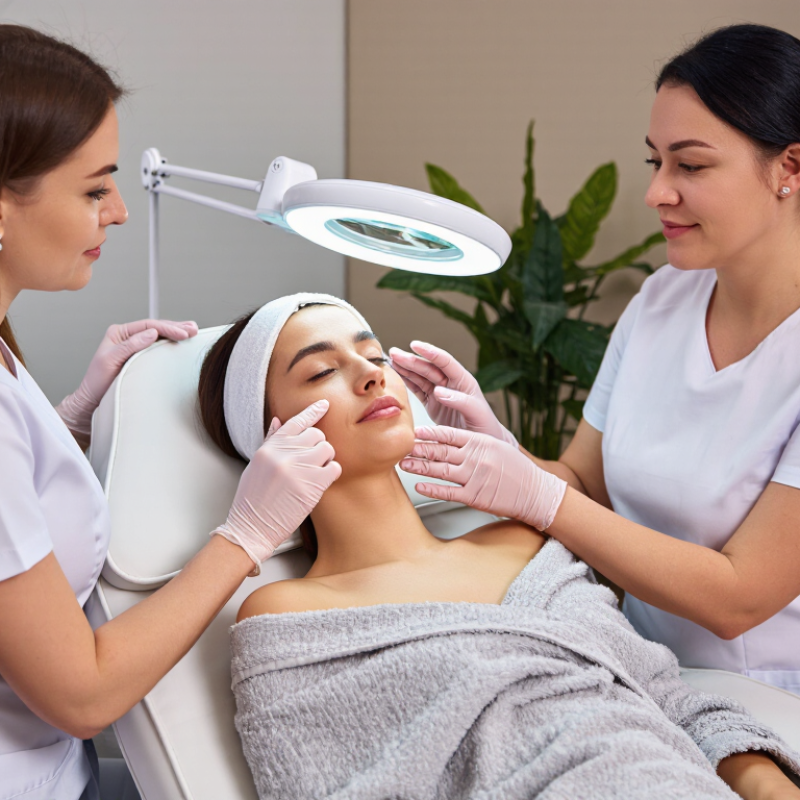
Healthy, glowing skin rarely comes from one dramatic treatment. It usually develops through consistent care, suitable products, and informed professional guidance. When you book a facial, a trained esthetician can examine your skin under bright light, notice dehydration around the cheeks, and identify congestion near the nose. This personal assessment makes the experience more useful than choosing products blindly.
Renée Rouleau, a licensed esthetician and skincare educator, says, “A facial is not just about pampering; it’s about improving the health of your skin.” Her view reflects an important distinction. A facial should support the skin barrier, not aggressively strip it for instant smoothness. Gentle cleansing, controlled exfoliation, targeted hydration, and appropriate massage may leave skin softer and brighter. Results vary, though. They depend on skin type, sensitivity, lifestyle, and the professional’s technique.
There is no perfect facial.
A reputable provider should explain each step, disclose possible irritation, and avoid promising permanent results. You should also share allergies, medications, recent procedures, and products that cause reactions. That conversation protects your skin and improves treatment choices. Afterward, mild redness may occur, but persistent burning or swelling deserves medical attention.
Book a facial when your skin needs informed support, not unrealistic perfection. A calm consultation, clean tools, and a customized plan matter more than a luxurious room. Some appointments may feel less transformative than expected. That is worth reflecting on. Healthy skin is usually built quietly, through realistic decisions repeated over time.
What a Facial Is and How It Supports Skin Health
Why Book a Facial for Glowing Healthy Skin?
A facial is a structured skin-care treatment, not simply a relaxing mask. A qualified professional usually begins with a skin consultation. The process may include cleansing, gentle exfoliation, steam, cautious extraction, a targeted mask, and moisturising. Each step should match your skin condition. Sensitive skin may need less friction and fewer active ingredients. A facial can remove surface buildup and temporarily improve softness, hydration, and brightness. It cannot permanently change pores or replace medical care. The Global Wellness Institute’s 2024 report valued the global wellness economy at 6.3 trillion dollars in 2023. That growth reflects stronger interest in preventive self-care, but popularity is not proof of every treatment claim.
Skin health also depends on daily habits. The American Academy of Dermatology estimates that acne affects up to 50 million Americans annually. Some facials may support congested skin, yet aggressive extraction can worsen irritation or marks. Results vary. I would question any promise of instant, lasting transformation. Healthy skin is usually quieter: less tightness, fewer flare-ups, and a comfortable surface. For persistent acne, rosacea, or unexplained changes, consult a dermatologist.
Tips: Share allergies, medications, and recent procedures before treatment. Ask about exfoliant strength and extraction methods. Choose fragrance-free products when sensitivity is a concern. Wear broad-spectrum SPF 30 or higher afterward, as recommended by the American Academy of Dermatology. Stop if burning continues. Be patient.
Why Book a Facial for Glowing Healthy Skin? - What a Facial Is and How It Supports Skin Health
| Facial Component | What It Involves | Potential Skin-Health Support | Typical Duration or Frequency | Important Consideration |
|---|---|---|---|---|
| Skin Assessment | A visual review of skin type, hydration, sensitivity, congestion, and visible concerns. | Helps guide product selection and treatment intensity according to current skin needs. | Usually performed at the beginning of every facial. | A professional assessment does not replace diagnosis by a dermatologist. |
| Gentle Cleansing | Removal of surface oil, makeup, sunscreen residue, sweat, and everyday debris. | Creates a clean surface for subsequent products and reduces the buildup that can contribute to clogged pores. | Commonly included once or twice during a 45–90 minute facial. | Harsh scrubbing and very hot water may increase dryness or irritation. |
| Exfoliation | Controlled removal of some dead surface cells using a mild chemical exfoliant, enzyme, or gentle physical method. | Can improve skin smoothness and surface radiance by reducing accumulated dead cells. | Often included periodically rather than daily; frequency depends on skin tolerance. | Over-exfoliation can weaken the skin barrier and cause redness, stinging, or peeling. |
| Steam or Warm Compress | Brief exposure to warmth or a warm towel to soften surface buildup. | May make cleansing and carefully performed extractions more comfortable. | Usually limited to a short treatment step. | People with rosacea, heat sensitivity, or easily flushed skin may need to avoid or modify this step. |
| Professional Extractions | Careful removal of selected blackheads or whiteheads using clean tools and appropriate technique. | May temporarily reduce visible comedonal congestion in suitable areas. | Performed only when appropriate for the skin and treatment plan. | Inflamed acne lesions should not be aggressively squeezed because this can increase irritation and the risk of marks. |
| Facial Massage | Light, gliding movements over the face, neck, or shoulders with suitable lubricant. | Supports relaxation and may temporarily reduce the appearance of puffiness through gentle movement and positioning. | Often lasts several minutes within the appointment. | Pressure should be reduced or avoided over active irritation, wounds, or painful breakouts. |
| Mask or Targeted Treatment | Application of a formulation selected for hydration, soothing, oil control, or surface nourishment. | Can provide short-term comfort and improve the feel and appearance of dry or dull skin. | Typically remains on the skin for approximately 10–20 minutes. | Patch testing and ingredient review are useful for sensitive or allergy-prone skin. |
| Moisturizer and Sun Protection | Finishing products help reduce moisture loss, followed by broad-spectrum sunscreen when the skin will be exposed to daylight. | Supports the skin barrier and helps protect against ultraviolet-related premature skin aging and uneven pigmentation. | Recommended at the end of daytime treatments and as part of daily skin care. | Choose products suited to the person’s skin type and follow the sunscreen label for reapplication. |
| Overall Appointment | A facial is a non-surgical cosmetic skin-care treatment that may combine several of the steps above. | May leave skin feeling cleaner, smoother, and more hydrated, while providing a structured approach to routine care. | Many standard facials last approximately 45–90 minutes; scheduling varies by individual needs. | Results are generally temporary, and consistent daily cleansing, moisturizing, and sun protection remain important. |
Note: Facial steps should be adapted for individual skin conditions. People with persistent acne, rosacea, eczema, unexplained rashes, or significant sensitivity should seek advice from a qualified healthcare professional before treatment.
Related Posts
-
Where to Book a Facial in China Best Spa Guide?
-

How to Book a Facial Appointment Online?
-
Unwind and Rejuvenate: Discover the Top Places to Get Luxurious Facials Near You
-

Discover Unforgettable Spots for Luxurious Facials: Your Ultimate Guide to Skincare Retreats
-
Discover the Benefits of Back Facial Treatments in China Best Salons?
-
What is the Best Facial Places for Global Buyers?