2026 Top Advanced Esthetics Trends for Global Buyers
The 2026 advanced esthetics market will be shaped by measurable skin health, individualized treatment plans, and carefully documented results. Global buyers are moving beyond dramatic transformation. They want safer protocols, shorter recovery periods, and visible improvements under ordinary daylight. The ISAPS Global Survey reported approximately 19.1 million nonsurgical aesthetic procedures worldwide in 2023. That figure signals strong demand, but it does not guarantee quality. Device performance, practitioner training, product traceability, and aftercare still require close evaluation.
Market forecasts also point toward continued expansion. Grand View Research identifies technology, minimally invasive procedures, and personalized care as major forces in medical aesthetics. These forces may influence 2026 purchasing decisions, especially for clinics comparing energy-based devices, skin-analysis systems, regenerative approaches, and professional cosmeceuticals. Yet forecasts can overstate certainty. Buyer behavior differs across regions, income groups, and regulatory environments.
Skin tells the truth.
Dr. Zein Obagi, dermatologist and founder of ZO Skin Health, has stated, “Healthy skin is not necessarily perfect skin.” His view supports a more responsible direction for advanced esthetics: strengthen skin function before chasing flawless images. In practical terms, buyers should examine clinical evidence, treatment indications, contraindications, maintenance requirements, and real-world practitioner experience. A glowing promotional photograph is not enough. The 2026 trends discussed here therefore focus on evidence-led personalization, non-invasive precision, barrier-conscious treatments, and transparent education. Some emerging technologies may prove valuable. Others may need more independent research. Global buyers should remain curious, but not careless.
Advanced Esthetics: Definition, Scope, and Market Evolution in 2026
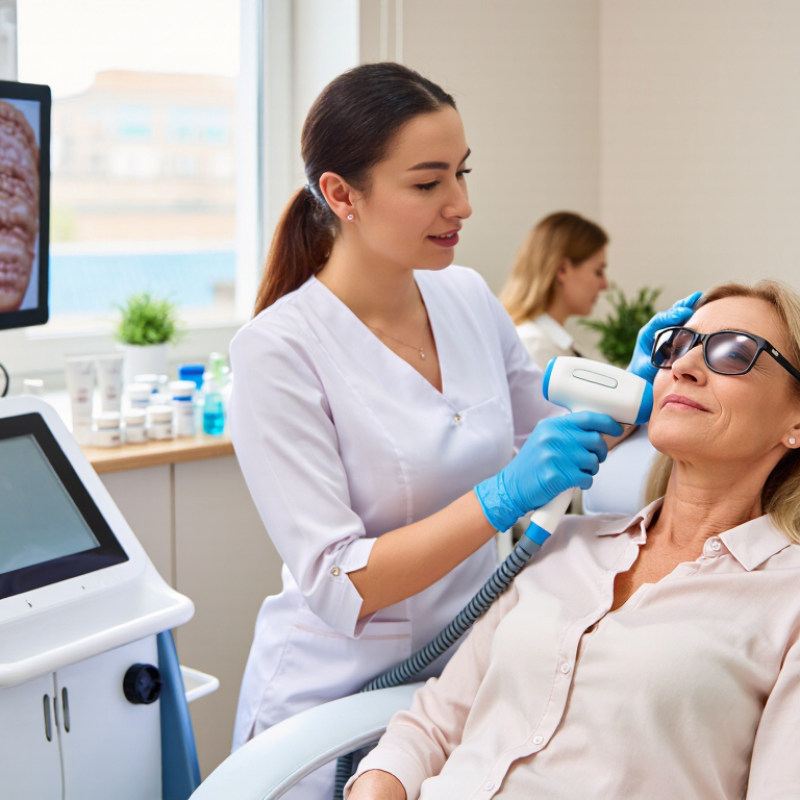
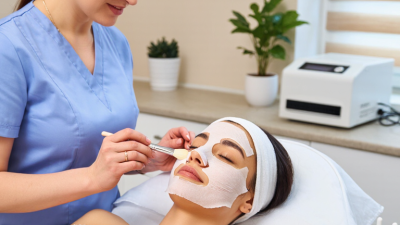
Advanced esthetics combines evidence-informed skincare, non-invasive technologies, precise consultation, and professional treatment planning. In 2026, its scope reaches beyond visible correction. Practitioners assess barrier health, pigmentation patterns, hydration, sensitivity, lifestyle, and treatment history before recommending care. A close look at the skin under magnification can reveal dryness that ordinary lighting hides.
Market evolution is being shaped by safer devices, digital skin analysis, and demand for personalized routines. Global buyers increasingly examine treatment accuracy, operator training, maintenance support, and documented safety procedures. They also need to understand local rules, because device permissions, professional qualifications, advertising standards, and import requirements differ across markets. A polished product description is not enough.
The category remains uneven. Not every intelligent feature improves clinical decisions. Some measurements change with room temperature, lighting, or recent cleansing. Experienced professionals therefore compare digital readings with visual assessment, client feedback, and follow-up records. This practical caution matters. A treatment plan should explain expected results, possible irritation, recovery time, and when treatment must be postponed. Buyers are also paying closer attention to reusable materials, energy consumption, packaging waste, and staff education. Real market growth will depend less on novelty and more on measurable outcomes, responsible purchasing, and consistent care across different skin types.
2026 Top Advanced Esthetics Trends for Global Buyers – Advanced Esthetics: Definition, Scope, and Market Evolution in 2026
| Trend / Scope Area | Advanced Esthetics Definition | 2026 Buyer Relevance | Verified Market or Demographic Indicator | Primary Application Areas | Regional Demand Signals | Procurement Priorities |
|---|---|---|---|---|---|---|
| Preventive and Healthy-Aging Esthetics | Non-surgical services and technologies designed to support skin quality, hydration, barrier function, pigmentation control, and the visible signs of aging. | Buyers are increasingly seeking gradual, maintenance-oriented results rather than aggressive transformation. | The World Health Organization states that by 2030, one in six people worldwide will be aged 60 years or older, increasing demand for age-inclusive personal-care and wellness services. | Skin rejuvenation, LED-based treatments, superficial peels, hydration protocols, collagen-support programs, and sun-damage management. | Strong relevance in Europe, North America, East Asia, and rapidly urbanizing markets with aging populations and higher disposable income. | Clinical documentation, adjustable treatment parameters, safety testing, operator training, and measurable before-and-after outcomes. |
| Personalized Skin Analysis | Use of imaging, questionnaires, skin-condition mapping, and data-supported consultation to customize treatment and home-care plans. | Personalization improves consultation quality, customer retention, treatment tracking, and product compatibility. | The International Telecommunication Union reported approximately 5.4 billion people online in 2023, supporting wider adoption of connected consultation and digital customer journeys. | Digital skin imaging, hydration and sebum assessment, pigmentation tracking, treatment-history records, and remote follow-up. | Highest readiness in digitally mature markets; mobile-first workflows are particularly relevant in Asia-Pacific, the Middle East, and Latin America. | Data privacy controls, image consistency, algorithm transparency, multilingual interfaces, and compatibility with existing clinic software. |
| Non-Invasive and Minimally Invasive Procedures | Treatments that improve skin appearance with limited tissue disruption, short recovery periods, and lower procedural burden than surgery. | Short downtime and flexible scheduling appeal to working consumers and first-time aesthetic clients. | The International Society of Aesthetic Plastic Surgery has consistently reported that non-surgical procedures account for the majority of recorded aesthetic procedures in its global surveys. | Radiofrequency, ultrasound, intense pulsed light, laser-based services, microneedling, superficial resurfacing, and skin-tightening protocols. | Mature demand in North America and Europe; rapid clinic expansion and consumer education are supporting growth in Asia-Pacific and Gulf markets. | Documented indications, cooling and contact-safety features, standardized protocols, consumable availability, and serviceability. |
| Energy-Based Device Convergence | Integration of multiple energy modalities or treatment functions into one platform to address texture, tone, laxity, hair, or vascular concerns. | Multi-function platforms can improve room utilization and broaden the service menu, provided clinical indications remain clearly defined. | Regulatory frameworks such as the European Union Medical Device Regulation require stronger technical documentation, post-market surveillance, and risk management for applicable medical devices. | Light, radiofrequency, ultrasound, laser, cooling, and combination protocols for skin and hair-related applications. | Demand is strongest where clinics seek higher asset utilization and where trained operators are available. | Regulatory status by country, electrical compatibility, calibration, maintenance response, operator certification, and treatment contraindications. |
| Skin-Barrier and Microbiome-Sensitive Care | Protocols that prioritize barrier integrity, tolerability, controlled exfoliation, and reduced irritation before and after advanced treatments. | Consumers are more attentive to sensitivity, over-exfoliation, redness, and recovery quality. | The American Academy of Dermatology identifies gentle cleansing, moisturization, and sun protection as core practices for maintaining skin health; microbiome claims require careful scientific substantiation. | Barrier-repair facials, low-irritation peels, post-procedure care, hydration therapies, and sensitive-skin consultation. | Broad global relevance, especially in regions with high UV exposure, pollution, dry climates, or increased use of active skincare ingredients. | Ingredient safety, stability testing, pH control, clear claims, compatibility testing, and documented post-treatment instructions. |
| Inclusive Esthetics and Diverse Skin-Tone Protocols | Treatment design that considers different pigmentation levels, skin responses, hair types, cultural preferences, and risk profiles. | Inclusive protocols reduce avoidable complications and expand the addressable customer base. | Dermatology literature recognizes that post-inflammatory hyperpigmentation risk and treatment response can vary by skin phototype, making individualized settings and counseling important. | Pigmentation management, hair reduction, acne care, scar appearance, vascular concerns, and post-inflammatory discoloration prevention. | Particularly important across South Asia, Southeast Asia, the Middle East, Africa, Latin America, and multicultural urban centers. | Phototype-specific guidance, adjustable energy settings, cooling systems, informed consent, practitioner training, and adverse-event monitoring. |
| Sustainable and Resource-Efficient Operations | Operational practices that reduce energy, water, packaging, transport, and disposable-material impacts while preserving hygiene and safety. | Institutional and professional buyers increasingly evaluate total cost of ownership, waste, energy use, and supply continuity. | The United Nations Sustainable Development Goals and the European Green Deal continue to increase attention to resource efficiency, circularity, and emissions reporting. | Low-energy devices, refillable formats, durable equipment, digital manuals, optimized sterilization, and responsible packaging. | Strongest procurement pressure in the European market, with growing relevance in North America, Australia, and environmentally conscious urban markets. | Energy consumption, repairability, packaging composition, lifecycle cost, waste procedures, and credible environmental documentation. |
| Connected Training and Standardized Treatment Protocols | Digital learning, remote support, treatment documentation, and standardized operating procedures that improve consistency across practitioners and locations. | As device complexity increases, buyers need reliable onboarding, continuing education, and quality assurance. | The World Health Organization and International Labour Organization both emphasize continuing competency and safe working practices in health-related services. | Video training, digital treatment records, competency assessments, remote troubleshooting, and audit-ready protocols. | High value for multi-site operators, distributors, salons, medical spas, and markets with uneven access to specialist trainers. | Multilingual materials, offline access, role-based permissions, cybersecurity, technical support, and evidence of training completion. |
| Regulatory, Safety, and Evidence-Based Purchasing | Selection of products and equipment according to intended use, risk classification, clinical evidence, labeling, quality systems, and local compliance obligations. | Compliance is becoming a central differentiator as buyers face stricter scrutiny of claims, operator qualifications, and post-market safety. | The European Union Medical Device Regulation has applied since May 2021, while the United States Food and Drug Administration requires applicable devices to meet relevant regulatory pathways and labeling requirements. | Professional devices, active cosmetic ingredients, light-based equipment, injectables-related support services, and clinical documentation. | Requirements vary substantially by country; cross-border buyers need a market-by-market compliance review before import or distribution. | Technical files, certificates, labeling, adverse-event procedures, quality management, authorized representation, and traceability. |
| At-Home and Professional Treatment Continuity | Coordinated professional services and home routines that support preparation, maintenance, recovery, and long-term skin management. | Consumers value convenience, while professional providers benefit from structured maintenance plans and improved adherence. | Global internet adoption and the expansion of digital commerce enable more frequent education, consultation, and follow-up outside the treatment room. | Post-treatment care, sun protection, gentle cleansing, hydration, maintenance devices, and appointment-linked guidance. | Strong potential in markets with high smartphone use, developed e-commerce infrastructure, and established professional beauty services. | Clear usage limits, contraindications, responsible claims, compatible formulations, customer support, and packaging localization. |
Related Posts
-

Revitalize Your Skin with the Ultimate Face Spa Techniques for Glowing Results
-

Unlock Radiant Skin: How Esthetician Facial Machines Transform Your Beauty Routine
-
Top 10 Facial Esthetician Techniques for Glowing Skin
-

2026 Top Facial Salon Equipment Suppliers?
-
How to Choose the Best Facial Spa Supplier?
-
Best Face Spa Manufacturers in China for Global Buyers