10 Best Types of Facials for Every Skin Type
A facial can feel calming, but choosing one is also a skin-care decision. The right treatment depends on your skin’s needs, sensitivities, and current condition—not just the trendiest name on a spa menu. Some treatments focus on hydration; others use exfoliation, extractions, or light-based devices. Results and comfort can vary.
The market is substantial. The International Spa Association’s 2024 U.S. Spa Industry Study reported $21.3 billion in spa revenue during 2023. That figure reflects a broad industry, not proof that any facial works for everyone. Skin concerns also differ widely: the American Academy of Dermatology reports that acne affects up to 50 million people in the United States each year. A facial may support a routine, but it is not a substitute for medical care when symptoms persist.
So, what should you book? This guide compares 10 types of facials for different skin types and concerns, including dry, oily, sensitive, and acne-prone skin. It explains what each treatment generally involves, what to ask a licensed provider, and when a gentler option may make more sense. A label alone cannot predict how your skin will react. That part is easy to overlook. If you have active irritation, a skin condition, or uncertainty about a treatment, check with a qualified dermatologist before booking.
Understanding Facial Treatments and Skin Types
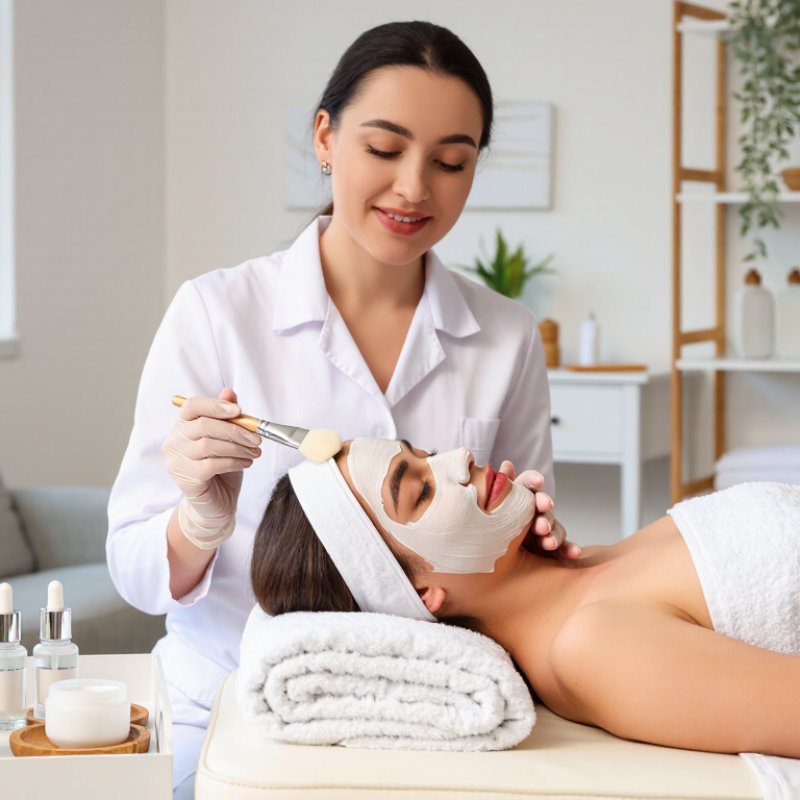
Facial treatments make more sense when matched to skin behavior, not just a label. Oily skin may tolerate gentle exfoliation, while dry skin often needs mild cleansing and richer hydration. Sensitive skin can react to fragrance, heat, or strong acids. Combination skin may need different care across the cheeks and T-zone. Skin changes with weather, medication, stress, and age, too. A label is only a starting point.
The American Academy of Dermatology reports that acne affects up to 50 million people in the United States each year, while rosacea affects about 16 million. These figures matter because breakouts and persistent redness can need clinical care, not a stronger facial. Tell your esthetician about allergies, recent procedures, and products that sting; ask what each step does. That matters. A soothing mask may feel pleasant, but it cannot diagnose a rash. If irritation persists, pause exfoliation and seek advice from a qualified dermatologist. I would not assume a “deep clean” is better; that assumption can leave reactive skin feeling tight and sore.
10 Best Types of Facials for Every Skin Type — Understanding Facial Treatments and Skin Types
| Facial Type | What It Involves | Often Suited To | Considerations |
|---|---|---|---|
| Classic Customized Facial | A consultation followed by cleansing, gentle exfoliation, optional extractions, and moisturizer chosen for the person’s skin. | Most skin types, especially people seeking a general, adjustable treatment. | Ask for a gentle version if skin is reactive. Products and steps should be adapted to current concerns and sensitivities. |
| Hydrating Facial | Uses moisturizing products and humectants to help soften skin and reduce the feeling of dryness or tightness. | Dry, dehydrated, or temporarily tight-feeling skin. | Hydration can improve comfort and appearance, but it does not permanently change the skin’s natural oil production. |
| Gentle Enzyme Facial | Uses enzyme-based products to loosen some surface buildup without physical scrubbing. | Dull or dry skin that may not tolerate abrasive exfoliation. | Enzymes can still irritate or trigger an allergy. A patch test and conservative treatment are sensible for sensitive skin. |
| Microdermabrasion Facial | A device gently abrades the outermost skin surface to remove some dead skin cells. | Some people with rough texture or mild surface dullness, when their skin is not inflamed. | May cause temporary redness or sensitivity. It is generally unsuitable over active irritation, infections, or inflamed acne; professional advice can help determine suitability. |
| Chemical Peel Facial | Applies a chemical exfoliant at a selected strength to loosen surface cells; the depth and recovery vary by peel. | Some people seeking help with uneven tone, texture, or clogged pores. | Can cause stinging, peeling, or pigment changes, especially if too strong or poorly matched. A qualified professional should assess skin tone, sensitivity, medications, and recent sun exposure. |
| LED Light Facial | Uses specific wavelengths of light; treatment protocols vary, and results are not immediate or guaranteed. | People seeking a non-invasive add-on for selected concerns, depending on the device and treatment plan. | Evidence and results vary. Eye protection may be needed, and people with light sensitivity or photosensitizing medication should seek professional guidance first. |
| Extraction-Focused Facial | Softens the skin and uses careful manual techniques to remove some blackheads or other non-inflamed clogged pores. | Oily or congestion-prone skin with accessible, non-inflamed comedones. | Forceful extractions can cause irritation, broken capillaries, or scarring. Inflamed, painful, or cystic acne should be assessed by a healthcare professional. |
| Dermaplaning Facial | A trained provider uses a sterile blade to remove surface dead skin cells and fine facial hair. | Some people with dull or rough-feeling skin who want a smoother surface. | Not a good choice over active acne, open skin, or irritation. Temporary redness is possible; regrowth does not make hair thicker, though its blunt tip may feel different. |
| Calming Sensitive-Skin Facial | Emphasizes gentle cleansing, minimal exfoliation, and fragrance-free or otherwise well-tolerated products. | Sensitive or easily irritated skin, including skin that feels tight or looks temporarily flushed. | “Sensitive skin” has many causes. Avoid known triggers, and seek medical advice for persistent burning, rash, swelling, or unexplained redness. |
| Oxygen Facial | Typically combines topical products with a device that directs a stream of oxygen or a fine mist onto the skin. | People looking for a short-term, cosmetic refresh rather than treatment of a diagnosed skin condition. | Claims about lasting benefits are limited. Ask what products are used, especially if prone to allergies, and do not expect it to replace evidence-based skin care. |
Choosing a facial: Skin type is only one factor; current irritation, allergies, medications, and recent treatments also matter. When in doubt, choose a gentle option and consult a qualified skin-care professional or dermatologist.
Related Posts
-
2026 Best Facial Today Trends for Glowing Skin and Radiance?
-
What is a Facial Salon and How Can It Benefit You?
-

How to Choose the Best Facial Salon Equipment?
-
How to Choose the Best Skin Facial for Your Skin Type?
-
How to Choose the Best Skin Therapy Products in 2026
-

Where Are the Best Places to Get Facials Worldwide?