Skip to content
Policy FAQ
   
(908) 210-9335
   
Now Available: Cherry Payment Plans!
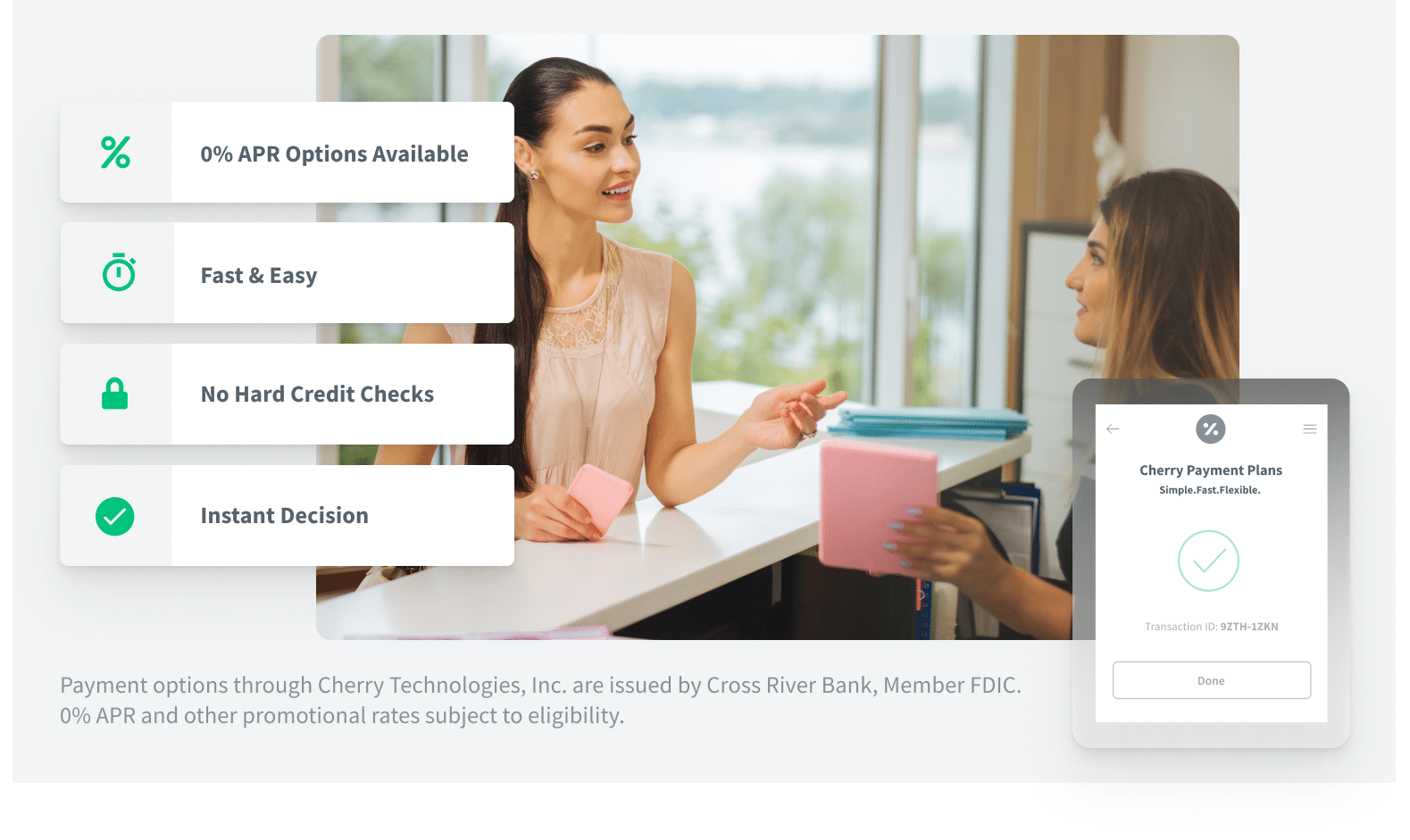
Are you interested in paying in installments with Cherry payment plans? Get pre-approved today! Applying won’t harm your credit!
graphical user interface, website

How to Choose the Best Face Spa Equipment in 2026

Choosing the best face spa equipment in 2026 is about more than adding the newest device to a treatment room. The right choice should suit your services, staff skills, client needs, and available space. A compact LED panel may fit a calm facial room, while a multifunction system could support a broader treatment menu. Neither option is automatically better. It depends on how you work.

Begin by checking what each device is designed to do and what training it requires. Review the manufacturer’s instructions, maintenance schedule, warranty, and cleaning procedures. Ask suppliers for clear specifications and arrange a demonstration when possible. During a trial, notice practical details: how easily controls respond, whether the handpiece feels balanced, and how long setup takes between appointments. Small details count. A feature list can look impressive, yet daily use may reveal awkward steps. That deserves honest thought.

Safety and suitability should guide every purchase. Confirm that staff can operate the equipment confidently, and follow the manufacturer’s guidance for screening and treatment. Consider service support, replacement parts, and the total cost of ownership—not just the purchase price. Client comfort matters, too; noise, warmth, and treatment time can shape the experience. There is no perfect device for every face spa. A careful shortlist, hands-on testing, and feedback from experienced practitioners can make the decision more reliable. Even then, reassess your choice as your services and clients change.
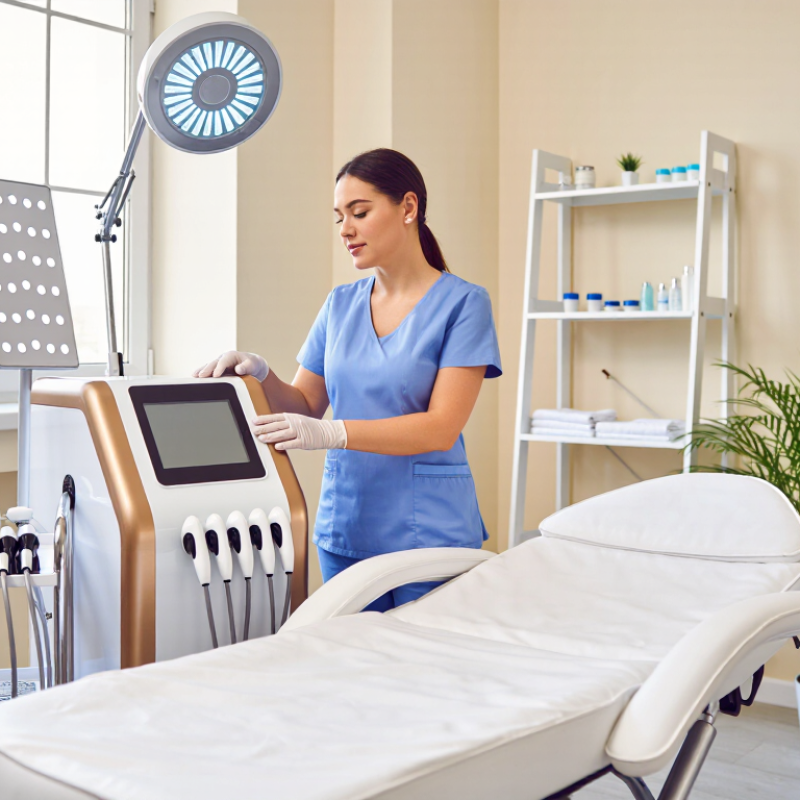
How to Choose the Best Face Spa Equipment in 2026

Define Your Face Spa’s Services, Clients, and Treatment Goals

How to Choose the Best Face Spa Equipment in 2026

Define Your Face Spa’s Services, Clients, and Treatment Goals

Choose equipment around the treatments you actually offer, not a list of impressive features. A spa focused on calming facials may need reliable cleansing and gentle exfoliation tools. A practice serving clients with varied skin sensitivities should prioritize adjustable settings and clear operating instructions. Write down your core services, typical appointment length, and the concerns clients commonly mention. Be specific. “Better skin” is too vague to guide a purchase.

Tips: Ask staff to test controls with damp gloves. Check how long setup and cleaning take. Confirm training and maintenance needs before buying.

Then match each device to a defined treatment goal and a realistic client profile. Consider room size, storage, daily appointment volume, and whether staff can use the equipment consistently. Request written specifications, safety guidance, and service terms from the seller. Compare these details rather than relying on dramatic before-and-after images. Some goals may be better served by skilled hands and a simpler tool. That can feel less exciting, but it is worth considering. Revisit your choices after a few months of use, noting client comfort, treatment time, and upkeep. Your first assumptions may need adjustment.

Compare the Main Types of Face Spa Equipment

Face spa equipment serves different purposes, so compare the treatment goal before comparing features. A facial steamer softens surface buildup and adds warmth, but it may irritate sensitive or redness-prone skin. Ultrasonic spatulas use vibration to loosen residue and spread water-based products. They are compact, though results depend heavily on technique and skin preparation.

LED devices deliver light at selected wavelengths and usually require consistent, correctly timed sessions. Check eye-protection guidance and device instructions before use. Microcurrent equipment uses low-level electrical stimulation; it calls for careful placement and screening for relevant health conditions. Hydrodermabrasion systems combine fluid delivery with suction, making adjustable pressure and easy-to-clean handpieces important. Not every client needs exfoliation or suction.

Look beyond the treatment menu. Compare adjustable settings, cleaning steps, staff training needs, replacement parts, and written safety guidance. Ask how long a session takes, including setup and disinfection. Small details matter. A sleek screen cannot compensate for poor maintenance. In practice, the “best” device may be the one staff can operate consistently, while matching its use to each client’s skin and comfort. The comparison is not perfectly tidy: one device can support several services, but extra functions do not automatically mean better care.

How to Choose the Best Face Spa Equipment in 2026

Compare common face spa equipment types by representative treatment time.

These indicative ranges show common appointment durations, not guaranteed treatment times. Actual times vary by device, protocol, and provider. Consider your services, training, maintenance needs, and budget when choosing equipment.

Assess Safety, Performance, and Regulatory Requirements

How to Choose the Best Face Spa Equipment in 2026

Assess safety, performance, and regulatory requirements before comparing features. Check whether the device is intended for professional facial treatments and whether its instructions match your services. Ask for current safety documentation, operating guidance, and evidence supporting its stated performance. Claims should be specific, not just impressive. A device that heats, uses light, or contacts skin needs clear precautions, suitable training, and a documented cleaning routine.

Tips: Confirm which local rules apply to your business and treatment type; requirements can differ by location. Review operator qualifications, client screening guidance, contraindications, and emergency steps. Inspect handpieces, cables, and contact surfaces before purchase. Ask how often calibration or servicing is needed, and who can perform it. Keep maintenance and training records.

A practical trial can reveal issues that a brochure misses: awkward controls, uneven output, or a treatment head that is difficult to disinfect. Compare results under consistent settings, and note client comfort as well as treatment time. I would not rely on a single demonstration. Performance can vary with technique and skin condition, so avoid promises of identical results for every client. If documentation is unclear, pause and verify it with the relevant regulator or a qualified safety professional.

Evaluate Costs, Training Needs, and Supplier Support

How to Choose the Best Face Spa Equipment in 2026
Evaluate Costs, Training Needs, and Supplier Support

Choose equipment by the full cost of running it, not its purchase price alone. The International Spa Association’s 2024 U.S. Spa Industry Study counted 21,980 spa locations and 187 million visits in 2023. Those figures show a busy market, but they do not mean every treatment room needs another device. Compare installation, consumables, maintenance, warranty coverage, and the cost of downtime. A machine sitting idle still costs money.

Training affects both service quality and scheduling. The U.S. Bureau of Labor Statistics reported a median hourly wage of $19.98 for skincare specialists in May 2023. That is useful context when estimating paid training time, though wages vary by location and experience. Ask who provides hands-on instruction, how long it takes, and whether staff can revisit the material. Get the details in writing. A polished demonstration is not the same as confident daily use.

Supplier support can decide whether a minor fault becomes a cancelled appointment. Request typical repair turnaround times, access to replacement parts, and clear maintenance instructions. Check whether support includes troubleshooting after installation, not just sales calls. Picture a device showing an error just before a client arrives. Ask what happens then. A forecast can still be wrong, so compare the supplier’s promises with references from operating spas and leave room in the budget for repairs.

How to Choose the Best Face Spa Equipment in 2026 - Evaluate Costs, Training Needs, and Supplier Support

Planning guide for professional facial businesses. Price ranges are indicative USD estimates for equipment only; actual prices depend on configuration, region, taxes, and service agreements. Confirm local regulations and total ownership costs before purchasing.

Equipment type Indicative purchase cost (USD) Typical ongoing costs Training needs Useful for Supplier support to verify Key selection check
Facial steamer $100–$600 Water treatment or distilled water, cleaning, and occasional replacement of small parts. Basic setup and safe-use instruction; usually a short orientation. Follow the user manual and client screening guidance. Preparing the skin for selected cleansing and extraction services. Clear setup instructions, replacement parts availability, warranty terms, and help with troubleshooting. Check stability, adjustable output and positioning, cleaning access, and whether the unit suits your treatment room.
Magnifying lamp $80–$500 Low routine costs; occasional bulb or lens replacement, depending on the model. Minimal; staff should learn correct positioning, cleaning, and electrical safety. Close visual assessment and detailed facial work. Availability of compatible parts, assembly guidance, and warranty coverage for the lamp and arm. Compare magnification, light quality, arm reach, base stability, and ease of disinfection.
Professional LED light device $500–$5,000 Cleaning supplies, replacement accessories if applicable, and service or component costs outside warranty. Operator training should cover device setup, eye protection, treatment timing, contraindications, and cleaning. Light-based facial services selected according to the device instructions and client suitability. Written protocols, staff onboarding, warranty details, repair arrangements, and documented technical specifications. Verify intended professional use, treatment instructions, safety information, and applicable local requirements.
Microdermabrasion system $1,000–$5,000 Tips or crystals where applicable, filters, cleaning materials, and scheduled maintenance. Moderate; practical instruction should cover technique, hygiene, client screening, and device maintenance. Mechanical exfoliation services for clients assessed as suitable. Hands-on training, clear maintenance schedules, consumable availability, and access to qualified repair support. Compare treatment controls, cleaning requirements, consumable costs, and the supplier’s written training materials.
Hydrodermabrasion or water-based facial system $2,000–$10,000 Serums or solutions, tips, filters, cleaning products, and possible water-system maintenance. Moderate; staff need instruction on setup, solution compatibility, hygiene, client screening, and troubleshooting. Multi-step facial services combining fluid delivery with suction or exfoliation, depending on the system. Training on the exact configuration, documented solution compatibility, replacement parts, and response times for service. Calculate per-treatment consumable costs and confirm which solutions and accessories are required or optional.
Radiofrequency facial device $1,500–$8,000 Coupling products where required, cleaning supplies, and maintenance or applicator replacement if applicable. Moderate to substantial; require device-specific instruction on operation, client screening, treatment limits, and safety. Selected non-invasive facial services, subject to the device’s intended use and local rules. Qualified onboarding, accessible operating and safety documentation, warranty coverage, and a defined repair process. Check the intended use, operator requirements, safety documentation, and evidence supporting any performance claims.
Multi-function facial workstation $1,000–$7,000 Consumables and maintenance vary by included function; budget for servicing each module. Varies by functions included; staff may need separate instruction for each module and treatment protocol. Businesses seeking several treatment functions in one footprint. Confirm support covers every included module, not only the main unit; request manuals, training, and parts details. Compare the cost and serviceability of individual functions with the price of a bundled workstation.

Select Equipment and Plan for Maintenance and Upgrades

A face spa device should fit the treatments you offer, your room layout, and the time available between appointments. Before purchasing, measure the treatment area and check the device’s power requirements. Ask who handles servicing, how quickly parts are available, and what routine checks the operator must perform. Clear answers matter. A low purchase price can lose its appeal when a device is out of service for several days.

Build maintenance into the weekly schedule, not just the annual budget. Keep a simple log of cleaning, inspections, faults, and service visits. Follow the manufacturer’s care instructions, and train every operator to report unusual sounds, loose fittings, or inconsistent performance. Small details count: a marked inspection date or a clean, dry storage shelf can prevent avoidable wear. It is easy to assume staff will remember every step. They may not.

When comparing equipment, check whether replacement parts and service support are expected to remain available. Ask if future software or accessory updates will work with the model, and confirm any upgrade costs in writing. Set aside funds for repairs and eventual replacement; a device that works today may not suit your services in a few years. Still, upgrading too early can waste a sound investment. Review usage, repair history, and client needs before deciding.

Back To Top Skip to content