
Skip to content
Policy FAQ
   
(908) 210-9335
   
Now Available: Cherry Payment Plans!
Are you interested in paying in installments with Cherry payment plans? Get pre-approved today! Applying won’t harm your credit!
graphical user interface, website

Why Are There Different Types of Facials?

Why are there different types of facials? The answer begins with the skin itself. Oily, dry, sensitive, congested, and mature skin can react differently to the same treatment. A facial that leaves one person glowing may cause another person redness or tightness.

Professional estheticians usually consider hydration, oil production, texture, lifestyle, and current skin concerns before recommending a service. Classic facials may include cleansing, gentle exfoliation, massage, masks, and moisturising products. Hydrating facials often use humectants to support dry skin. Acne-focused treatments may include careful extractions, but aggressive pressure can increase irritation. Sensitive-skin facials usually avoid strong fragrances and harsh exfoliants. Some clinics also offer enzyme treatments, chemical exfoliation, or LED sessions, depending on local regulations and professional training.

Small details matter. A consultation should ask about allergies, medications, recent procedures, and daily sunscreen use. A reliable provider explains possible discomfort and aftercare instead of promising perfect results. Skin can feel soft immediately, yet visible changes may require several sessions and consistent home care. Results vary.

That part is easy to forget.

From a professional perspective, “best” does not mean strongest. It means appropriate, monitored, and supported by sensible evidence. A qualified practitioner should recognise when a concern needs medical evaluation, especially with persistent acne, unexplained rashes, or painful inflammation. Understanding the main types of facials helps readers compare treatments realistically and choose care that respects their skin’s condition, goals, and limits. There is no universal facial. Sometimes, a simpler treatment is the wiser choice.
Why Are There Different Types of Facials?

What Is a Facial and What Does It Involve?

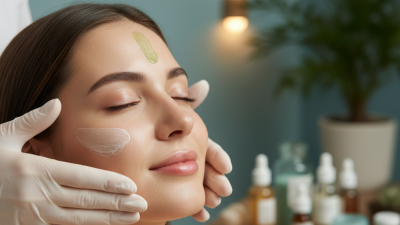
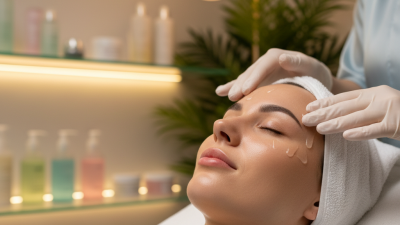
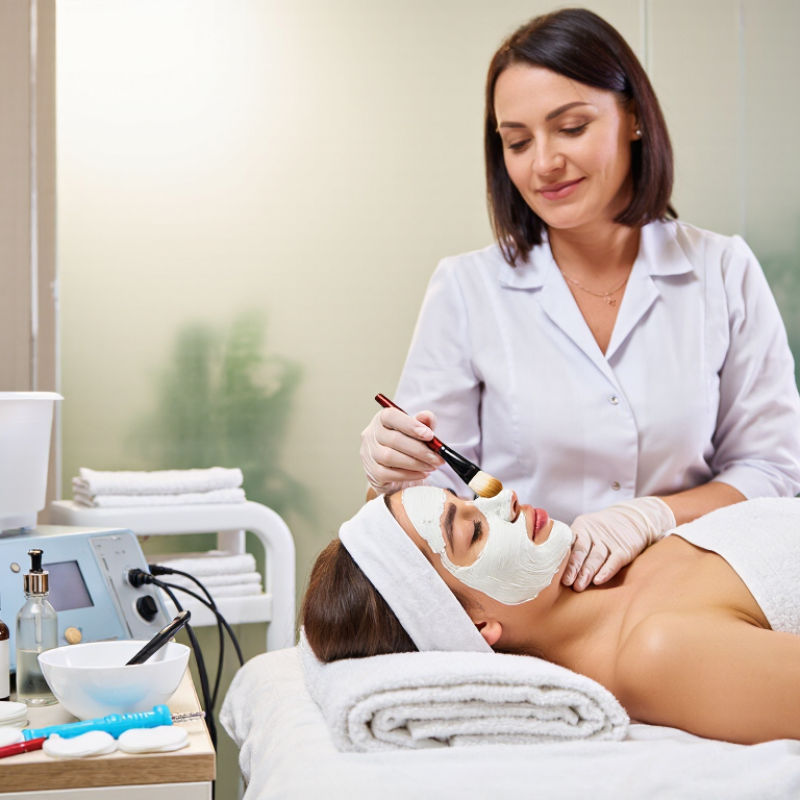
A facial is a professional skincare treatment designed to cleanse, exfoliate, hydrate, and comfort the skin. It usually begins with a consultation and close skin assessment. The practitioner may examine texture, redness, oiliness, or dehydration under a magnifying lamp. Then come cleansing, gentle exfoliation, optional extractions, massage, a targeted mask, and moisturizer. Sunscreen is often applied before you leave. It is not a medical diagnosis. Persistent acne, pain, or unusual irritation needs a dermatologist’s advice.

The experience can feel simple, but skin rarely behaves perfectly. A warm towel may soften surface buildup, while a cool gel mask can calm temporary redness. Different facials change the order, products, or intensity. The choice should reflect skin condition, sensitivity, recent procedures, and personal goals. According to the International Spa Association’s 2024 U.S. Spa Industry Study, spas recorded 181 million visits in 2023. That figure shows strong consumer interest, but popularity does not prove every treatment suits everyone. I once assumed deeper exfoliation meant better results. That assumption was too careless.

Tips: Ask what each step does before treatment begins. Share allergies, medications, active breakouts, and recent waxing. Avoid scheduling aggressive exfoliation before an important event. A trained professional should explain possible redness and aftercare clearly. If the consultation feels rushed, reconsider the appointment. Over-extraction can leave tenderness, and even a relaxing facial can irritate reactive skin.

How Do Facial Types Differ by Skin Needs?

Facial types differ because skin problems differ. A hydrating facial suits tight, flaky skin with a weakened moisture barrier. It usually uses gentle cleansing, humectants, and barrier-supporting creams. Sensitive skin needs fewer ingredients, lower heat, and minimal friction. No facial is automatically gentle.

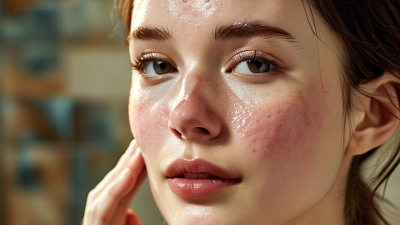
Oily or acne-prone skin may benefit from controlled exfoliation and careful pore cleansing. The American Academy of Dermatology reports that acne affects up to 50 million Americans annually. That figure explains the demand for acne-focused treatments, but it does not make every extraction appropriate. Inflamed lesions can worsen after aggressive pressure. A licensed professional should adjust the treatment to active breakouts, medications, and scarring risk.

Facials for uneven tone often target surface dullness with mild acids or brightening ingredients. Mature skin may receive hydration, massage, or collagen-supporting procedures, depending on sensitivity and medical history. The International Society of Aesthetic Plastic Surgery recorded 19.1 million non-surgical aesthetic procedures worldwide in 2023. This shows strong interest in non-invasive care, not guaranteed results from any single facial. I have seen people choose treatments by popularity rather than skin need. That choice deserves reconsideration. A skin assessment, ingredient review, and patch test can prevent an attractive treatment from becoming an irritating one. Reliable care starts with the condition in front of you.

Which Ingredients and Techniques Define Each Facial?

Facials differ less by their names than by their ingredients and techniques. A hydrating facial usually combines humectants, such as glycerin, with barrier-supporting oils and gentle massage. The goal is comfort, not aggressive change. Skin often feels softer afterward, especially when indoor heating causes tightness.

A brightening facial may use vitamin C derivatives, azelaic acid, or gentle fruit enzymes. These ingredients support controlled exfoliation and help reduce dull surface cells. Techniques matter too. A trained professional may apply layered products, cool compresses, and light massage. Stronger peeling agents require careful timing and a thorough skin assessment. More intensity is not always more effective.

Clarifying facials often pair salicylic acid with steam, cleansing, and limited extractions. Steam can soften surface debris, but excessive heat may increase redness. Sensitive skin may need a calming facial instead, using colloidal oatmeal, panthenol, or aloe with minimal-touch application. A qualified professional should ask about allergies, current treatments, and skin reactions before choosing products. Patch testing can reduce surprises, though it cannot predict every response. Facial labels can mislead. The same technique may comfort one person and irritate another, so treatment plans sometimes need adjustment.

How Can You Choose the Right Facial for Your Skin?

Choosing a facial starts with your skin’s current condition, not a trendy treatment. A professional consultation should examine oiliness, dryness, sensitivity, breakouts, redness, and recent product use. Tell the therapist about allergies, medications, pregnancy, and recent procedures. These details can change what is safe.

For clogged pores, a gentle cleansing facial with limited extractions may help. Dry skin often responds to hydration, humectants, and a calm massage. Sensitive or flushed skin needs fewer ingredients, light pressure, and no aggressive heat. If dullness is your concern, mild exfoliation can improve surface texture. Stronger peels are not automatically better. I once assumed more tingling meant better results. My skin stayed irritated for days. That was a useful, uncomfortable lesson.

Ask what each step does, who should avoid it, and how long recovery may last. A qualified practitioner should explain risks clearly and stop when your skin reacts badly. Request a patch test when a new active ingredient is involved. Avoid facials over open wounds, severe irritation, or unexplained rashes until a medical professional provides guidance.

Your choice should also fit your routine. A first-time client may prefer a simple, calming session before trying advanced exfoliation. Take a photo before treatment and watch redness, tightness, and bumps for forty-eight hours. Skin can look bright immediately, yet feel dry later. That difference matters. Keep notes, adjust slowly, and judge results by comfort and consistency, not one glowing afternoon.

What Results and Aftercare Should You Expect?

Different facials create different results because they target different skin conditions. A hydrating facial can soften tight, flaky skin, while an exfoliating treatment may improve dull texture. Deep-cleansing procedures can reduce surface oil, but they cannot permanently change pore size. The 2023 ISAPS International Survey recorded 19.1 million nonsurgical aesthetic procedures worldwide. However, it does not measure salon facials directly, so those figures should not be used as proof of facial results.

Aftercare often determines how skin feels the next day. Expect mild redness, warmth, or temporary tightness after exfoliation or extractions. Keep the routine gentle for 24 to 72 hours. Use a fragrance-free moisturizer and broad-spectrum SPF 30 or higher, as recommended by the American Academy of Dermatology. Avoid scrubs, strong acids, retinoids, hot showers, and intense exercise immediately afterward. Your skin may look brighter. It may also look uneven for a day.

The Global Wellness Institute reported that the global wellness economy reached $6.3 trillion in 2023, showing strong consumer interest in personal care and wellness services. Still, popularity is not clinical evidence. Results depend on skin sensitivity, treatment strength, technician training, and medical history. A patch test can reduce avoidable reactions, though it cannot predict every response. If burning, swelling, blistering, or worsening redness appears, contact a qualified medical professional. Some aftercare advice feels overly cautious, but skipping it is where many disappointing outcomes begin.

Why Are There Different Types of Facials? — Results & Aftercare

Different facials target different concerns, from short-term hydration and brightness to exfoliation and collagen support. The chart shows typical visible recovery periods after common facial treatments.

What results should you expect?

Classic, hydrating, and LED facials usually provide immediate softness, comfort, and a temporary glow. Microdermabrasion and light chemical peels can improve surface smoothness and uneven tone over several days. Deeper peels generally produce more visible peeling and require longer recovery.

Basic aftercare

Use a gentle cleanser, moisturize regularly, apply broad-spectrum SPF 30 or higher, and avoid picking or scrubbing peeling skin. For several days, avoid excessive heat, tanning, and strong exfoliating or retinoid products unless a qualified professional advises otherwise.

Typical recovery ranges: classic, hydrating, and LED facials 0 days; microdermabrasion about 1 day; light chemical peels about 3 days; medium-depth chemical peels about 7 days. Actual results and recovery vary by treatment strength, skin sensitivity, and professional technique.

Back To Top Skip to content