Why Choose a Botox Spa for Your Beauty Needs?
Choosing a botox spa is not just a search for smoother lines. It is a decision about clinical care, realistic goals, and who will assess your face. The American Society of Plastic Surgeons reported 9,480,949 neuromodulator injections in the United States in 2023. This figure reflects reported procedures, not a guarantee of safety or results. Still, it shows how familiar these treatments have become. Familiar does not mean risk-free.
A reputable botox spa should explain who performs injections, how your medical history is reviewed, and what outcomes are realistic. You should have time to discuss facial movement, previous treatments, medications, and possible side effects. The U.S. Food and Drug Administration advises patients to receive botulinum toxin products from licensed, trained providers and to understand that these medicines carry risks. That matters. A calm room, clean surfaces, and clear answers are reassuring, but they cannot replace clinical qualifications. Ask what product is being used and how follow-up concerns are handled. If an answer feels rushed, pause. A provider may also recommend waiting or declining treatment; that restraint can be a sign of sound judgment. Beauty expectations are personal, and no injection can promise perfect symmetry. Even careful providers cannot predict every response. That deserves honest discussion. Choosing a spa well means looking beyond polished photos to evidence, training, and thoughtful care.
Understanding What a Botox Spa Offers
A Botox spa offers more than a treatment room and a quick appointment. It should provide a private consultation, a review of your health history, and time to discuss your goals. A qualified medical professional can explain how botulinum toxin injections work, what results may look like, and which side effects are possible. The effect is temporary, and outcomes vary. A calm setting can be reassuring, but décor alone does not show whether care is safe. That matters.
Tips: Ask who will assess and treat you, and what medical training they have. Share medications, allergies, and previous procedures honestly. Request clear aftercare instructions and a way to ask follow-up questions. If you feel rushed, or your concerns are brushed aside, pause before booking.
A careful provider should explain realistic options rather than promise a perfect result. They may advise against treatment or suggest waiting if it is not suitable for you. That can feel disappointing. It is also part of responsible care. Ask how the clinic handles complications and what to expect during recovery. Good communication should feel specific to your face, not like a sales script. You should leave understanding both the potential benefits and the limits.
Exploring Available Botox and Beauty Services
A Botox spa may offer more than wrinkle-relaxing injections. Depending on its clinical team, services may include facial assessments, neuromodulator treatments, dermal fillers, chemical peels, and skincare plans. The American Society of Plastic Surgeons’ 2023 Procedural Statistics Report recorded about 4.7 million botulinum toxin treatments in the United States. That figure reflects demand, not guaranteed results.
A careful visit starts with a conversation. The clinician should ask about your health history, medications, allergies, and goals. They should explain likely effects, limitations, and possible side effects. For example, treatment around the eyes may soften movement while preserving expression; placement depends on facial anatomy. Ask who performs injections, what credentials they hold, and how follow-up care works. A spa menu can be confusing. Take time to ask questions.
Some spas also provide peels or personalized skincare, but these services are not interchangeable with injections. Ask about ingredients and expected downtime before a peel, especially if your skin is sensitive. Be wary of promises of a “perfect” face; individual responses vary, and a consultation may find that no procedure is appropriate. Not the glamorous answer, perhaps, but an important one.
Evaluating Practitioner Credentials and Safety Standards
A calm reception area can feel reassuring, but appearance is not proof of safe care. Ask who will assess you and who will perform the injections. Confirm that the practitioner has relevant training, current credentials, and experience with facial anatomy and wrinkle treatments. Credential requirements differ by location, so check with the appropriate professional regulator when possible. That matters.
A careful consultation should include your health history, current medicines, allergies, and treatment goals. The clinician should explain likely results, common side effects, less common risks, and suitable alternatives in plain language. You should have time to ask questions and decline treatment without pressure. No rushed decisions. A promise of “risk-free” results is a reason to pause, not a comfort.
Notice the practical details, too: clean preparation surfaces, hand hygiene, clear product information, and written aftercare instructions. Ask how the product is stored and what follow-up is available if you have concerns. A skilled practitioner should discuss realistic limits; facial movement and results vary from person to person. Online reviews may help, but they cannot verify clinical judgment. It is easy to mistake polished décor for expertise, and even a careful provider cannot guarantee a perfect outcome.
Why Choose a Botox Spa for Your Beauty Needs?
Evaluating practitioner credentials and safety standards
Use these four points as questions to ask before treatment: verify the practitioner’s active license with the relevant licensing board, ask about injectable-treatment training, confirm that your medical history and potential risks will be reviewed, and ask how emergencies and follow-up are handled. Requirements vary by location. This is a practical checklist—not survey data, a clinic rating, or a guarantee of results.
Further reading: FDA: What to Know About Botulinum Toxin Injections. Check your local licensing board for practitioner credentials.
Preparing for a Consultation and Personalized Treatment Plan
A thoughtful consultation should feel like a conversation, not a sales pitch. Before your appointment, write down what you hope to change and when you first noticed it. Bring a list of medications, supplements, allergies, past cosmetic treatments, and relevant health conditions. Bring those notes. They can help the clinician assess whether treatment is appropriate and discuss possible risks. Ask who will perform the injections, what training they have, and how they handle complications. A qualified provider should explain benefits, limits, alternatives, and aftercare in clear language. You should never feel rushed into a decision.
A personalized plan starts with your face at rest and in motion. The clinician may ask you to raise your eyebrows, frown, or smile, then discuss areas of concern and a conservative approach. That matters. The same pattern of lines can look different from person to person, and more treatment is not always better. Share the look you want, including what you do not want to change. Results are temporary and vary; bruising, headache, or eyelid drooping can occur. It is reasonable to pause, ask for time, or seek another qualified opinion if anything feels unclear. Even a careful plan has limits. That part can be frustrating.
Knowing What to Expect During Treatment and Aftercare
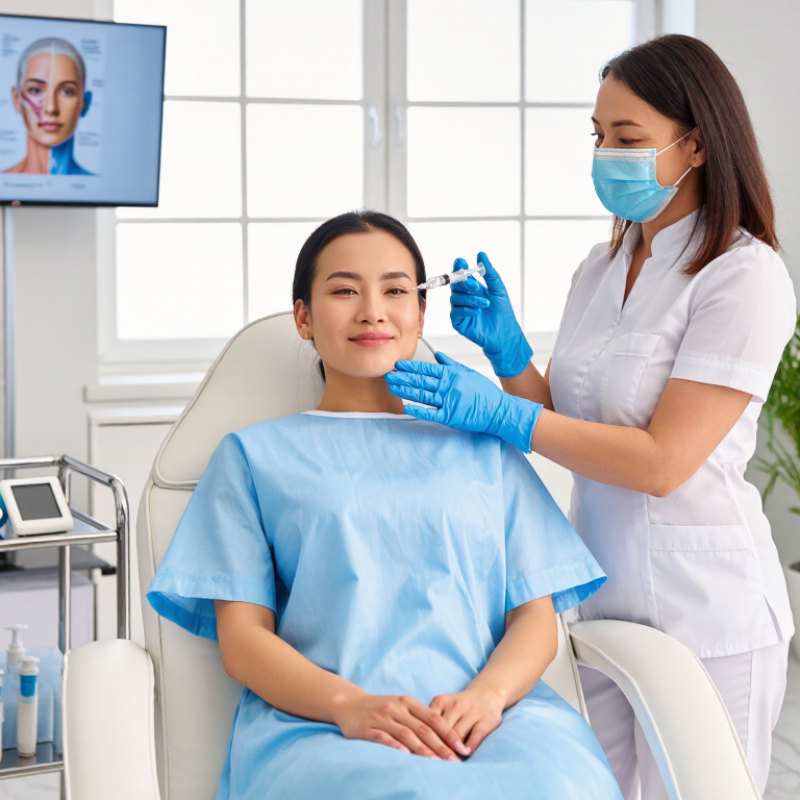
A Botox spa visit should begin with a private consultation, not a syringe. A qualified, appropriately licensed clinician should review your health history, medicines, goals, and previous treatments. Expect facial expressions to be assessed while you frown or raise your brows; small marks may guide injection points. The needle feels like a quick pinch. Treatment is usually brief, but careful assessment should not be rushed. The American Society of Plastic Surgeons’ 2023 procedural statistics recorded nearly 9.5 million botulinum toxin type A treatments in the United States. That figure shows how common the procedure is, not that it suits everyone.
After treatment, tiny bumps, redness, tenderness, or bruising may appear. They generally settle, while visible effects develop over several days and are often assessed after about two weeks. Follow your clinician’s written instructions. Many providers advise avoiding vigorous exercise and rubbing the treated area for the rest of the day, but recommendations can differ. Ask before using makeup or scheduling a facial. Small details matter. Keep your follow-up contact information nearby, and seek urgent medical help for trouble breathing or swallowing, symptoms highlighted in FDA safety information. It is tempting to judge results in the mirror that evening; that is too soon. A careful spa should explain realistic outcomes, risks, and when to contact the clinician before treatment begins.
Why Choose a Botox Spa for Your Beauty Needs? - Knowing What to Expect During Treatment and Aftercare
| Stage | What to Expect | Typical Timing | Helpful Guidance |
|---|---|---|---|
| Choosing a provider | A spa setting may feel convenient, but injections are medical procedures and should be performed by a qualified, appropriately licensed healthcare professional. | Before booking | Ask about the injector’s credentials, consultation process, emergency procedures, and how the product is sourced. Licensing requirements vary by location. |
| Consultation | The clinician should discuss your goals, medical history, medications, allergies, previous treatments, expected results, and potential risks. | Before treatment | Share relevant health information, including pregnancy or breastfeeding, neuromuscular conditions, and medicines or supplements. Do not stop prescribed medication unless your clinician advises you to. |
| Treatment session | The clinician cleans the skin and uses a fine needle to inject selected muscles. Brief pinching or stinging is common; treatment generally does not require anesthesia. | Often about 10–20 minutes, depending on the treatment area | The number and placement of injections should be tailored to your anatomy and treatment goals. |
| Immediately afterward | Small bumps, redness, tenderness, swelling, or bruising can occur at injection sites and are usually temporary. | Often improves over hours to a few days | Follow the clinician’s aftercare instructions. Avoid rubbing or massaging treated areas for the period they recommend, and ask before applying pressure or having facial treatments. |
| Results and follow-up | Changes are gradual, not immediate. Results vary by person, treatment area, dose, and product; the effect is temporary. | Often begins within 3–7 days; full effect may take up to 2 weeks. Effects commonly last around 3–4 months. | Attend a follow-up if recommended. Contact your clinician before seeking additional injections, especially while results are still developing. |
| When to seek help | Headache, temporary eyelid or brow droop, and localized discomfort can occur. Serious effects are uncommon but require prompt attention. | If symptoms appear or worsen | Contact a healthcare professional for concerning symptoms. Seek urgent medical care for trouble breathing, swallowing, or speaking, or for widespread weakness. |
This table provides general information, not a diagnosis or a substitute for advice from a qualified healthcare professional. Individual instructions and results may vary.
Related Posts
-
Why Choose a Botox Spa for Youthful Skin Treatment?
-

How to Book a Facial Appointment Online?
-
2026 Top Skin Spa Trends You Need to Know about
-
China Best Radiance Spa Supplier for Global Buyers?
-
2026 How to Choose the Best Facial Therapy for Your Skin?
-
2025 Top Esthetician Machines: Elevate Your Skincare Routine with Innovation