
7 Best Esthetician Facial Machines for Global Buyers?
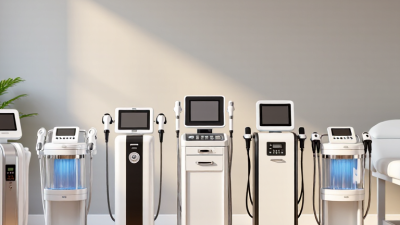
Choosing the right esthetician facial machine is rarely about buying the most expensive device. Global buyers need equipment that performs consistently, suits different skin types, and remains practical in busy treatment rooms.
This guide examines seven leading options through an esthetician’s daily experience. We consider cleansing systems, ultrasonic spatulas, LED therapy, microcurrent, radio frequency, cooling functions, and multifunction platforms. Safety documentation matters. So do electrical standards, voltage compatibility, operator training, warranty support, replacement parts, and transparent supplier communication. A beautiful touchscreen cannot compensate for weak after-sales service.
Lydia Sarfati, a CIDESCO diplomat and founder of Repechage, states, “Healthy skin is beautiful skin.” Her words highlight an important point: technology should support healthy treatment decisions, not replace professional judgment. The best esthetician facial machine should help practitioners assess the client’s skin, adjust intensity carefully, and document realistic results.
Some rankings remain imperfect. Results can vary with technique, product choice, skin sensitivity, and maintenance habits. A machine that excels in a luxury spa may feel excessive in a compact studio. Another model may offer fewer features but stronger reliability. That difference matters.
The selections below focus on practical value, clinical usefulness, user experience, and global purchasing concerns. They are not universal prescriptions. Treat them as informed starting points before comparing specifications, certifications, training requirements, and local service availability.
What Esthetician Facial Machines Are and How They Work
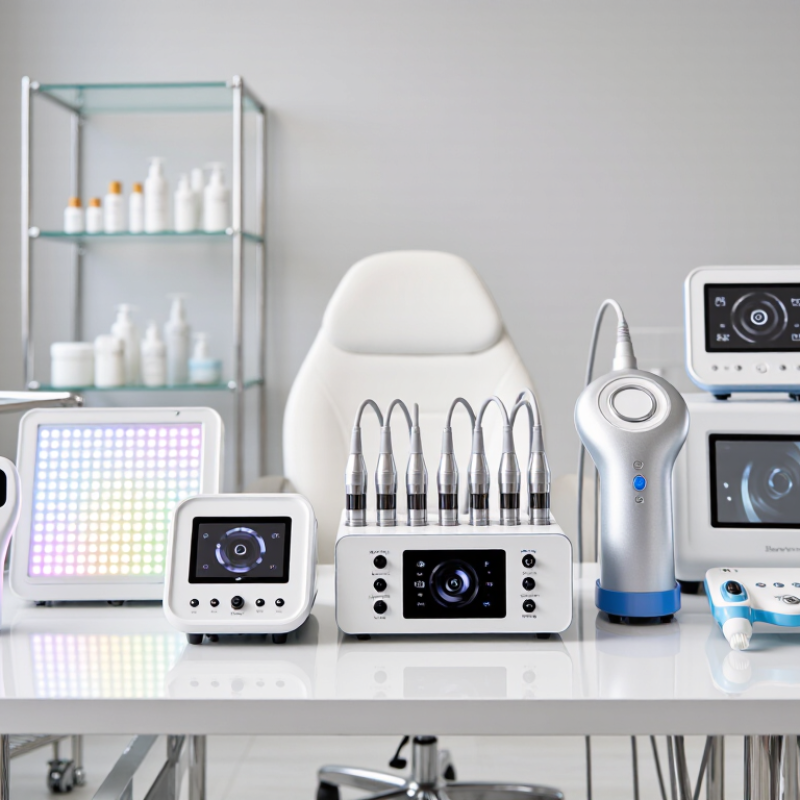
Esthetician facial machines are professional devices designed to support cleansing, hydration, exfoliation, and skin assessment. They do not replace trained judgment. Their value depends on correct settings, skin analysis, and careful hand control.
A magnifying lamp helps an esthetician inspect pores, dryness, redness, and uneven texture under clear light. Steam softens surface buildup, although excessive heat may increase discomfort or visible redness. Ultrasonic spatulas use rapid vibration to loosen debris and spread water-based products. Microcurrent devices deliver gentle electrical stimulation through conductive gel. High-frequency tools may create a mild warming effect near the skin surface. Each method works differently, so “best” depends on the treatment goal, client tolerance, and local professional rules.
Global buyers should check voltage, plug standards, electrical certification, cleaning instructions, and replacement-part access. A quiet motor matters in a small treatment room. A readable control panel matters even more. Operators should inspect cables and electrodes before every session, then disinfect reusable contact surfaces according to the manufacturer’s instructions. Protective eyewear may be necessary for certain light-based systems. Training is not optional.
Some machines promise dramatic results, but real outcomes are usually gradual. That is easy to overlook. A device can look advanced while offering poor control or weak after-sales support. I would compare treatment evidence, user training, warranty terms, and safety documentation before comparing appearance or price. Patch testing and conservative settings remain sensible, especially for sensitive or recently treated skin.
7 Best Esthetician Facial Machines for Global Buyers
What Esthetician Facial Machines Are and How They Work
Esthetician facial machines use different forms of energy to support cleansing, exfoliation, product infusion, skin stimulation, and light-based treatments. The chart shows commonly used target wavelengths for LED facial machines: blue light is generally associated with blemish-focused treatments, red light with visible signs of aging, and near-infrared light with deeper photobiomodulation applications. Actual specifications may vary by device and treatment protocol.
The seven common machine categories considered by global buyers are magnifying lamps, facial steamers, galvanic machines, high-frequency machines, ultrasonic skin scrubbers, microcurrent devices, and LED phototherapy systems. Buyers should compare operating parameters, safety certifications, treatment indications, replacement parts, and local regulatory requirements.
Key Features Global Buyers Should Compare Before Purchasing
When comparing seven facial machines for international use, evaluate function before appearance. A clear display helps, but treatment control matters more. Check adjustable intensity, treatment timers, and stable energy output. A trained esthetician should understand how each setting affects different skin conditions. Ask for proof.
Global buyers must confirm voltage, frequency, plug compatibility, and user documentation. A machine designed for one electrical system may need a suitable transformer elsewhere. Review safety certifications accepted in the target market, not only the supplier’s marketing claims. Also inspect cleaning procedures, detachable parts, and surfaces that may trap product residue. Safety comes first.
Practical details often decide long-term value. Compare handpiece weight, cable length, noise level, and storage requirements in a working treatment room. Ask whether replacement probes, lamps, filters, or conductive products are available locally. Reliable technical support and a written warranty can prevent costly downtime. I have seen attractive equipment become inconvenient because its accessories were difficult to source. A longer warranty is not always better if service terms remain vague. Request test videos, training materials, and measurable specifications before ordering. Consider realistic client demand, because advanced settings are useless when staff cannot operate them confidently.
Seven Leading Facial Machine Types for Professional Estheticians
Professional estheticians need facial machines that support careful assessment, consistent treatment, and safe client communication. Seven leading facial machine types remain practical for clinics serving global buyers: magnifying lamps, facial steamers, high-frequency devices, galvanic machines, ultrasonic skin scrubbers, microdermabrasion systems, and LED light therapy equipment.
A magnifying lamp helps identify congestion, dryness, and uneven texture before treatment begins. Steamers soften surface debris, but excessive heat can irritate sensitive skin.
High-frequency devices may support post-extraction care when used with proper training and controlled timing. Galvanic machines assist selected product applications through mild electrical currents. They are not suitable for every client.
Ultrasonic scrubbers offer gentle exfoliation and can reduce the need for aggressive manual pressure. Microdermabrasion systems provide controlled mechanical exfoliation, though poor pressure control may cause redness or discomfort. LED devices use specific light wavelengths for targeted skincare support, but results depend on treatment consistency and client suitability. Skin history matters.
For international purchasing, estheticians should verify voltage compatibility, plug standards, user manuals, cleaning procedures, warranty coverage, and available technical support. Safety documentation should be clear and traceable.
In real treatment rooms, workflow often matters more than impressive specifications. A quieter steamer, stable handpiece, and easy-to-clean surface can improve daily service quality.
No device replaces professional judgment. This is where many purchasing decisions become imperfect.
How to Match Each Machine to Skin Concerns and Treatment Goals
Choosing among the seven best esthetician facial machines starts with the client, not the equipment. Each device should match a visible concern and a realistic treatment goal.
Hydrodermabrasion suits dull, congested skin needing gentle cleansing and hydration. Ultrasonic spatulas help loosen surface debris with minimal discomfort. They are not deep acne treatments.
For fine lines and mild laxity, microcurrent may support a temporarily lifted appearance. Radiofrequency uses controlled heat to encourage firmer-looking skin, but careful temperature monitoring matters. LED therapy can complement acne or redness-focused routines, provided the wavelength and exposure time are appropriate. Oxygen infusion may improve the feel of dehydrated skin, while cryo or cooling devices can calm temporary puffiness after selected treatments.
A reliable consultation should review sensitivity, medications, recent procedures, and the client’s expectations. Ask what the skin feels like, not only what it looks like. A trained professional must follow local rules, electrical safety guidance, sanitation procedures, and the machine’s operating limits.
Global buyers should also check voltage compatibility, documentation, servicing, and staff training before purchase. More power is not automatically better.
I have seen treatment plans become too complicated when several devices are used together. Sometimes, a shorter session with one well-matched machine is safer and more consistent. Results still vary, and every setting deserves review.
Safety, Certification, Maintenance, and International Buying Considerations
7 Best Esthetician Facial Machines for Global Buyers
The seven most practical facial machines include ultrasonic spatulas, hydrodermabrasion systems, microcurrent devices, LED therapy units, radiofrequency equipment, oxygen infusers, and high-frequency machines. “Best” depends on treatment goals, skin tolerance, operator training, and local regulations. Grand View Research reported that the global medical aesthetics market reached approximately USD 19.4 billion in 2023, showing strong demand but also greater scrutiny of device quality.
Safety should lead every purchase. Look for IEC 60601-1 electrical safety compliance, clear technical files, and ISO 13485-based quality management from the manufacturer. CE marking may support European distribution, but it does not replace national registration. In the United States, FDA registration does not mean FDA approval. Buyers should verify the device’s intended use, contraindications, labeling, and adverse-event history through official regulatory databases.
Small details matter. Confirm voltage, plug type, language options, replacement electrodes, tubing, and warranty coverage before payment. Ask whether calibration records are supplied. Clean handpieces after every treatment, disinfect reusable parts according to instructions, and replace filters or tips on schedule. LED units need tested wavelengths; RF systems need stable temperature control. Staff should document patch tests and treatment settings. I would avoid unusually cheap equipment with vague certificates. It may work briefly, but servicing can become difficult across borders. Even experienced operators sometimes underestimate downtime and training costs.
7 Best Esthetician Facial Machines for Global Buyers? – Safety, Certification, Maintenance, and International Buying Considerations
| Machine Type | Primary Functions | Typical Energy / Operating Range | Key Safety Controls | Relevant Compliance Considerations | Routine Maintenance | Recommended Buyer Profile | International Buying Notes |
|---|---|---|---|---|---|---|---|
| Hydrodermabrasion Facial System | Water-based cleansing, exfoliation, vacuum extraction, serum infusion, and optional oxygen or spray functions. | Low-pressure liquid circulation; adjustable vacuum commonly around 0–70 kPa, depending on applicator and design. | Adjustable suction, transparent waste container, overflow protection, sealed tubing, emergency stop where fitted, and disposable or cleanable tips. | Electrical safety should be supported by applicable IEC 60601-1 testing for medical electrical equipment where the intended use requires it. EMC assessment to IEC 60601-1-2 may also be relevant. CE marking must match the product classification and applicable EU legislation. | Flush liquid lines after each client, disinfect reusable handpieces, empty and clean the waste tank, inspect seals, and replace filters or tubing according to the service schedule. | Beauty salons, spas, dermatology practices, and clinics seeking a versatile facial platform. | Confirm plug type, voltage, frequency, inlet and drainage requirements, included consumables, multilingual instructions, spare tubing availability, and cleaning compatibility with local disinfectants. |
| Multipolar Radiofrequency Facial Device | Controlled tissue warming for temporary skin-firming and appearance-improvement treatments. | Common operating frequencies range from approximately 0.5–2 MHz; treatment temperature is often controlled around 38–42°C at the skin surface, subject to the device protocol. | Temperature monitoring, timed treatment, insulated handpiece, intensity adjustment, skin-contact detection, and overheating protection. | Request electrical safety, EMC, biocompatibility information for patient-contact materials, and evidence supporting the intended cosmetic or medical claims. Avoid treating a general conformity mark as proof of clinical performance. | Clean and disinfect the electrode after every use, inspect cables and insulation, verify temperature calibration periodically, and check that contact sensors operate correctly. | Professional estheticians and clinics offering non-invasive firming services. | Check whether the destination market permits the proposed RF frequency and claims. Confirm local operator-training requirements, voltage compatibility, replacement handpiece cost, and calibration support. |
| LED Phototherapy Panel or Mask | Non-invasive light exposure for cosmetic skin appearance programs; commonly uses red, near-infrared, or blue light modes. | Typical wavelengths include approximately 415 nm blue, red light around 630–660 nm, and near-infrared around 810–850 nm. Irradiance and dose must be verified from the technical file. | Protective eyewear where required, timed sessions, low-heat housing, light shielding, skin-sensitivity screening, and clear contraindication instructions. | Ask for measured wavelength, irradiance, dose, photobiological safety assessment, EMC data, and applicable electrical safety documentation. Regulatory status varies significantly with wavelength and marketing claims. | Wipe the surface with an approved non-abrasive disinfectant, keep ventilation openings clear, inspect LED output periodically, and replace damaged eye protection. | Salons, spas, acne-care providers, and practices requiring short, repeatable treatment sessions. | Verify optical specifications rather than relying only on LED color names. Check language labels, customs classification, battery transport rules if applicable, and local restrictions on acne or therapeutic claims. |
| Ultrasonic Skin Scrubber | Gentle exfoliation and product-assistance treatments using a vibrating metal spatula on moistened skin. | Usually operates in the ultrasonic range, commonly around 20–30 kHz; actual frequency and output should be confirmed through product testing. | Low-output design, automatic shutoff, rounded or smooth spatula edges, waterproof handpiece precautions, and prohibition of use on dry skin. | Request electrical safety and EMC documentation. Confirm whether the product is marketed as a cosmetic appliance or regulated medical device in the destination country. | Disinfect the spatula after each use, prevent liquid entry into the charging port, inspect the housing for cracks, and replace rechargeable batteries according to the service guidance. | Independent estheticians, mobile therapists, training schools, and small treatment rooms. | For wireless versions, request battery chemistry and transport documentation. Confirm charger input range, charging plug, waterproofing limits, and availability of replacement batteries. |
| Galvanic Facial Unit | Low-level direct-current treatments commonly described as desincrustation and iontophoresis in professional facial protocols. | Low-voltage direct current with adjustable milliamp output; exact limits vary by design and should be verified in the technical specification. | Current limiting, polarity indicator, insulated handles, timed operation, intact grounding, and strict screening for contraindications. | Request electrical safety documentation and clear instructions for electrode contact. Users should follow local professional-scope rules and avoid unsupported medical claims. | Clean electrodes after each treatment, inspect cords and connectors, check polarity markings, and verify output during scheduled servicing. | Facial specialists and education-focused salons requiring a compact professional device. | Confirm whether the destination market classifies direct-current facial devices as regulated equipment. Request translated contraindications and training material before import. |
| Professional Microdermabrasion System | Mechanical exfoliation using diamond-tip contact or controlled crystal flow, often combined with vacuum extraction. | Adjustable vacuum commonly around 0–70 kPa; crystal systems require compatible media and controlled flow rates. | Adjustable suction, filter or waste chamber, smooth handpiece surfaces, protective eyewear where particles may be generated, and treatment-time control. | Request electrical safety and EMC records, material information for skin-contact components, and documentation for any supplied abrasive media. Claims and classification depend on intended use. | Replace or sterilize tips as instructed, clean the vacuum pathway, replace filters, empty the collection container, and inspect hoses for loss of suction. | High-volume salons and clinics needing consistent exfoliation with adjustable treatment intensity. | Check abrasive-media availability, waste-disposal rules, replacement-tip costs, packaging protection, and whether local authorities require operator training or device registration. |
| Oxygen Infusion or Airbrush Facial System | Fine-mist application of water-based cosmetic solutions or serums using compressed air or an oxygen-enriched airflow module. | Low-pressure airflow; many cosmetic systems operate below approximately 2 bar, but pressure, flow, and oxygen concentration must be confirmed for each model. | Pressure relief, non-flammable approved liquids, backflow prevention, secure tubing, ventilation, and prohibition of oil or combustible materials near oxygen-enriched components. | If oxygen concentration is increased, request oxygen-system safety documentation and applicable electrical and EMC test reports. Cosmetic-use claims should not imply medical oxygen therapy without authorization. | Clean and dry the nozzle after every client, flush liquid paths, replace filters, inspect seals, and use only approved water-based solutions compatible with the system. | Spas and facial studios offering fast, non-invasive serum-application services. | Clarify whether the unit uses ambient air, compressed air, or oxygen concentration. Verify dangerous-goods requirements, consumable import rules, voltage, noise level, and local restrictions on oxygen-related advertising. |
Related Posts
-
7 Best Esthetician Facial Machines for Professional Use
-
Why Are There Different Types of Facials?
-
2026 Best Aesthetics Skin Care Products for Global Buyers?
-
Top 5 Advanced Esthetics Techniques for Flawless Skin in 2023
-

What is Botox Spa and How Does it Work?
-

What is Radiance Skin Care and How Does It Benefit Your Skin?