Skip to content
Policy FAQ
   
(908) 210-9335
   
Now Available: Cherry Payment Plans!
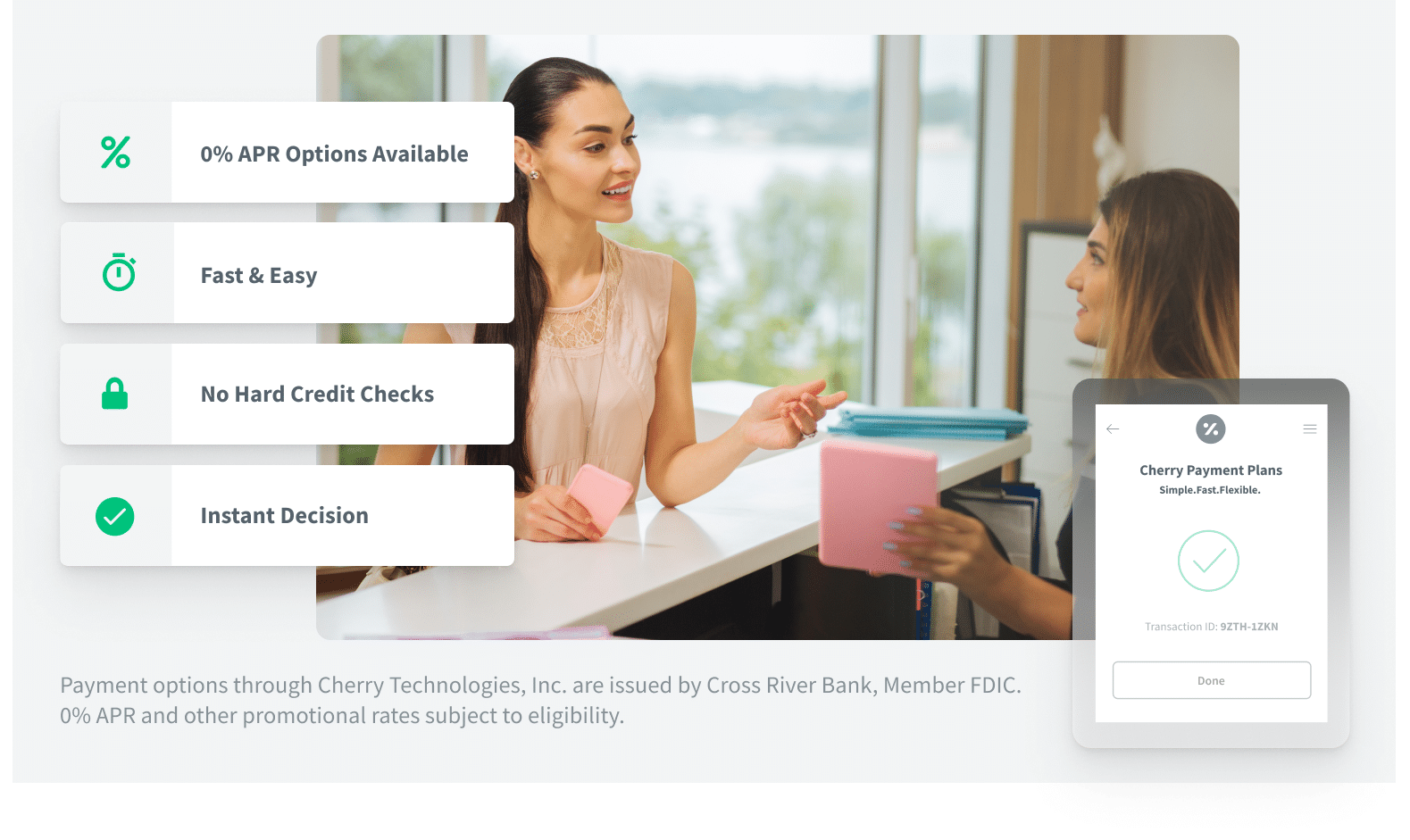
Are you interested in paying in installments with Cherry payment plans? Get pre-approved today! Applying won’t harm your credit!
graphical user interface, website

China Top Botox Spa Equipment Suppliers for Global Buyers

China’s equipment suppliers attract global buyers with broad catalogs, competitive pricing, and export experience. Yet “Botox spa” equipment is not one product category. It may include treatment beds, lighting, skin-analysis devices, sterilization equipment, and clinic-management tools. Buyers should separate these items from botulinum toxin medicines, which require qualified medical oversight and appropriate sourcing.

Demand is substantial. The International Society of Aesthetic Plastic Surgery’s 2023 Global Survey recorded about 7.9 million botulinum toxin procedures worldwide. That figure describes procedures, not spa-equipment sales. Still, it shows why reliable clinical environments matter. Dr. Shari Marchbein, a board-certified dermatologist, has emphasized in public educational guidance that cosmetic treatments should be approached with qualified medical judgment. Put plainly, price should not lead the decision. This is a paraphrase, not a direct quotation.

For international buyers, a polished showroom is only the beginning. Ask for model-specific technical documents, quality-management details, warranty terms, spare-parts availability, and clear maintenance instructions. Check that each device’s intended use fits your service model and local requirements. A low-cost device can become expensive when parts are delayed or support disappears. Small details count: a stable treatment bed, readable controls, and responsive after-sales service. Not glamorous. Important.

This guide compares China-based suppliers through a buyer-focused lens. It considers product range, documentation, customization, communication, and export support. Supplier claims should be independently checked; certificates alone do not prove suitability. The best partner is not always the largest. It is the one that can explain what it sells, support it after delivery, and answer difficult questions without pressure.

China Top Botox Spa Equipment Suppliers for Global Buyers

Understanding Botox Spa Equipment and Its Role in Aesthetic Care

Understanding Botox Spa Equipment and Its Role in Aesthetic Care

Botox is an injectable treatment, not a machine-based service. In aesthetic care, equipment supports the surrounding process: consultation, skin observation, comfort, hygiene, and follow-up. A treatment room may include adjustable lighting, a magnifying lamp, a clinical-grade examination bed, and secure storage for supplies. These details help practitioners work carefully, but they do not replace medical judgment or appropriate training. Equipment needs also vary by service and setting.

For global buyers, clear specifications matter more than impressive product photos. Check electrical requirements, cleaning instructions, warranty terms, and access to maintenance support. Ask suppliers for user documentation and training details. Requirements differ between markets, so buyers should verify local rules with qualified professionals. A sleek device is not automatically a suitable one. That distinction is easy to overlook.

Tips: Before ordering, measure the room and confirm outlet type. Request written service terms. Check that surfaces can be cleaned easily. Keep consultation tools separate from treatment supplies, and document routine maintenance. Small practical details matter. Some choices may still need adjustment after staff use the equipment; real workflow can be messier than a catalogue suggests.

China Top Botox Spa Equipment Suppliers for Global Buyers — Understanding Botox Spa Equipment and Its Role in Aesthetic Care

U.S. FDA Cosmetic Indication Milestones for Botulinum Toxin

The U.S. FDA first approved a botulinum toxin cosmetic indication for glabellar lines in 2002, followed by lateral canthal lines in 2013 and forehead lines in 2017. These milestones provide context for buyers evaluating complementary spa equipment: devices can support consultation, treatment-room workflow, documentation, and aftercare, but they do not replace injectable products or qualified medical professionals.

Mapping the Supplier Landscape for Global Buyers

China’s supplier landscape for Botox-related spa equipment is not one uniform market. Buyers will encounter factory-direct manufacturers, export trading companies, and specialist distributors. Their catalogs may include treatment chairs, examination lights, skin-imaging systems, and other clinic-support equipment. These products support a professional setting; they are not substitutes for qualified medical care or injectable products.

Compare suppliers by more than price. Request clear specifications, product photographs, user manuals, warranty terms, and details about spare-part availability. Ask how equipment is tested and what quality documentation the supplier can provide. A short video demonstration can reveal controls, cable layout, and finish quality better than a catalog image. For overseas orders, confirm packaging, shipping responsibilities, installation guidance, and who handles technical questions after delivery.

Some suppliers offer customization or private-label production, while others focus on ready-to-ship models. The distinction matters when lead times are tight. Not every polished catalog tells the whole story. Check whether stated service response times are realistic, and ask for references from comparable export markets when available. One gap often remains: buyers may struggle to compare service quality before placing an order. A careful shortlist should therefore weigh documentation and support alongside appearance and cost.

Comparing Equipment Quality, Technology, and Support

For global buyers comparing China-based aesthetic equipment suppliers, look beyond product photos. Request clear specifications, operating manuals, and service records for the exact model offered. Check build quality in practical details: stable handpieces, readable screens, secure connectors, and consistent output during a demonstration. Small details matter.

Technology should fit your clinic’s actual services, staff experience, and maintenance capacity. Ask how settings are controlled, what safety features are built in, and whether performance data can be verified. Confirm that the supplier provides documentation relevant to your destination market. A polished demo can still leave questions unanswered. I would compare sample test results and written claims side by side, rather than relying on sales language alone. Support matters just as much. Clarify training format, response times, spare-part availability, warranty coverage, and who handles troubleshooting across time zones.

Tips: Ask for a live demonstration using the intended configuration. Keep a written checklist, and have a qualified practitioner review technical claims. Get support commitments in writing. If an answer feels vague, pause and ask for evidence.

Checking Regulatory Compliance and Product Safety

For global buyers, compliance checks should start with the exact device model and its intended use, not a supplier’s broad catalog. Requirements differ by destination market. Ask for applicable registration or conformity documents, test reports, product labels, and the manufacturer’s quality-system records. Confirm that model numbers match across certificates, packaging, and manuals. Small labels matter.

The World Health Organization’s Global Atlas of Medical Devices (2017) describes roughly two million device types across more than 7,000 generic groups. That scale makes precise classification essential. For aesthetic equipment, request evidence relevant to electrical safety, electromagnetic compatibility, and risk management, such as applicable IEC test documentation. Check who issued each report and whether it covers the supplied configuration. A polished certificate folder is not proof by itself.

Before shipment, inspect sample units for intact seals, clear warnings, and readable serial numbers. Ask how complaints, repairs, software updates, and recalls are tracked. Keep those answers in writing. A missing service contact may seem minor, but it can delay corrective action. Buyers should also verify whether training materials match the device’s approved use in their market. Some paperwork is easy to overlook; that is exactly why the checklist needs a second review.

China Top Botox Spa Equipment Suppliers for Global Buyers — Checking Regulatory Compliance and Product Safety
Market Botulinum Toxin Regulatory Check Aesthetic Equipment Regulatory Check Documents to Request from a Supplier Buyer Verification Action Official Reference
United States Botulinum toxin products are prescription biological medicines. Confirm that the specific product is FDA-approved and supplied through lawful channels. Provider qualifications and permitted use are also governed by applicable state law. Whether a device needs FDA marketing authorization depends on its intended use and regulatory classification. FDA establishment registration or device listing alone does not mean FDA approval or clearance. Device authorization details where applicable; product labeling and intended-use statement; quality-system and safety documentation; traceable serial or lot numbers; service and recall procedures. Search the relevant FDA product database and compare the exact model, manufacturer, and intended use. Do not treat registration or listing as proof of product authorization. FDA: Medical Devices
FDA: Drugs
European Union Botulinum toxin products are medicinal products and require authorization under the applicable EU or national route. A device conformity mark does not authorize a medicine. Medical devices within scope of Regulation (EU) 2017/745 must meet applicable requirements; CE marking applies where required. Classification and conformity-assessment routes depend on the device. EU Declaration of Conformity, device classification, CE information and notified-body details where applicable; instructions for use; risk and safety information; traceability and post-market contact details. Check that the documents identify the exact model and intended purpose. Verify any notified-body details through official EU resources and confirm applicable national requirements. European Commission: Medical Devices
European Commission: Medicinal Products
United Kingdom Botulinum toxin products are prescription-only medicines. Confirm the product’s marketing authorization and follow current prescribing and administration requirements. Medical-device requirements depend on the intended market and current rules. Great Britain and Northern Ireland can have different arrangements; confirm the applicable marking and conformity route before import or sale. Market-specific conformity documents; device labeling and instructions; evidence supporting the stated intended purpose; service, maintenance, and incident-reporting details. Check current Medicines and Healthcare products Regulatory Agency guidance and verify that the equipment documents apply to the destination market and exact model. MHRA
UK medical-device guidance
Canada Verify that a botulinum toxin medicine has the required Canadian authorization and is supplied through lawful channels. A device licence does not authorize a prescription medicine. Medical-device licensing requirements depend on device class. Higher-class devices generally require a Medical Device Licence; establishment licensing requirements may also apply to relevant importers and distributors. Applicable device licence details; device class and intended use; importer or distributor licensing information where required; labeling, safety, maintenance, and traceability records. Search Health Canada’s official databases using the exact product or device details. Confirm the licence holder and model match the documents supplied. Health Canada: Medical Devices
Drug Product Database
Australia Check the applicable Australian authorization and supply requirements for the specific prescription medicine. A supplier’s overseas approval does not by itself establish Australian authorization. Medical devices generally need to meet applicable Australian requirements and be included in the Australian Register of Therapeutic Goods (ARTG), unless an exemption or other specific pathway applies. ARTG entry details where applicable; Australian sponsor information; intended purpose and labeling; conformity and safety documents; servicing and adverse-event contact details. Search the ARTG and confirm that the entry covers the exact device and sponsor. Check with the Therapeutic Goods Administration if the product’s status is unclear. TGA: Medical Devices
TGA: ARTG
China Botulinum toxin products are prescription medicines. Verify the specific product’s applicable NMPA approval and lawful medical use. Medical cosmetology services are subject to medical-practice requirements, not ordinary spa-service rules. Medical-device registration or filing requirements depend on classification and intended use. Confirm the applicable NMPA status for the exact device before placing it on the market or using it. Applicable NMPA registration or filing information; Chinese-language labeling and instructions where required; manufacturer and authorized representative details; safety, maintenance, and traceability records. Check the official NMPA information for the exact product and confirm that the seller, intended use, and device model match the regulatory records. National Medical Products Administration
Cross-market supplier review Do not assume an equipment supplier is authorized to supply, prescribe, or administer injectable medicines. Medicines and equipment follow separate regulatory pathways. Confirm that the device is suitable for its stated purpose, destination market, and intended professional setting. Electrical, electromagnetic, laser, or light-based safety requirements may apply depending on the equipment. Quality-management certificate and its scope; model-specific conformity and safety evidence; user manual; training and maintenance plan; warranty; spare-parts availability; complaint and recall process. Verify certificates with the issuing body where possible. Check that the certificate is current and covers the actual legal manufacturer and product scope. Request independent test evidence when appropriate. ISO 13485: Medical devices quality management
International Electrotechnical Commission

Important: This table is a buyer due-diligence guide, not legal or clinical advice and not a ranking of suppliers. Regulatory status depends on the exact product, intended use, destination market, and current local rules. A quality-management certificate, overseas clearance, or supplier declaration alone does not establish market authorization.

Planning Supplier Verification, Purchasing, and Delivery

For global buyers sourcing aesthetic spa equipment from China, planning starts with a precise product brief. Specify the intended setting, power requirements, accessories, training needs, and warranty expectations. Ask whether the supplier is the manufacturer or a trading company. Verify business details and request a live video walk-through of the production or inspection process. Check that model numbers on quotations, manuals, and test records match. Documents should describe the exact unit, not a similar model.

Before payment, agree on inspection steps, packaging, delivery terms, and who handles export documents. Request clear photos of the finished unit, its serial label, and the crate before dispatch. Confirm destination-country import and equipment requirements with a qualified local professional. Ask how spare parts and technical support are arranged after delivery. Small details matter. Even a careful checklist can miss a loose connector or an unclear warranty clause, so review the order once more before approval.

Tips: Keep all specifications and promises in writing. Use a pre-shipment inspection for valuable orders. Confirm crate dimensions, delivery address, and shipping documents early. Share the equipment’s intended use with your local advisor; supplier assurances alone may not answer every local requirement.

Back To Top Skip to content