
Skip to content
Policy FAQ
   
(908) 210-9335
   
Now Available: Cherry Payment Plans!
Are you interested in paying in installments with Cherry payment plans? Get pre-approved today! Applying won’t harm your credit!
graphical user interface, website

How to Choose the Right Types of Facials for Your Spa?

Choosing the right facial menu can shape your spa’s reputation, client retention, and treatment results. Yet many spa owners select services by popularity rather than suitability. That approach can create disappointing experiences, especially when a client’s skin reacts differently than expected.

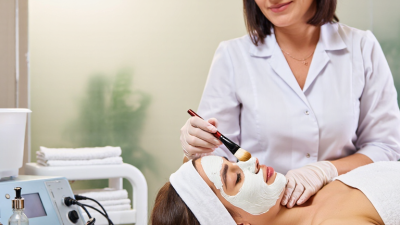
Understanding the main types of facials helps professionals build a safer, more useful treatment menu. Classic cleansing facials may support routine maintenance, while hydrating treatments can benefit dry, tight-feeling skin. Enzyme or exfoliating facials may improve dullness, but they require careful screening. Sensitive clients might need calming ingredients, shorter massage periods, and fewer active products. Results should guide the choice, not impressive wording.

A qualified esthetician should begin with a detailed consultation. Ask about allergies, current products, medical conditions, recent procedures, and daily sun exposure. Examine the skin under suitable lighting, then explain realistic outcomes. A patch test may be appropriate for reactive clients. Keep accurate treatment records, including product names, concentrations, and observed responses. These details support consistent care and professional accountability.

No menu is perfect.

Client comfort also matters. A strong facial should feel considered, not rushed. Some choices may need revision after feedback, and that is part of responsible practice. Spa teams should review product evidence, follow manufacturer guidance, and stay within local licensing requirements. This guide explores how to compare different types of facials, match them with client needs, and present recommendations honestly. The goal is not to offer the most treatments. It is to offer the right treatment, at the right time, with care.
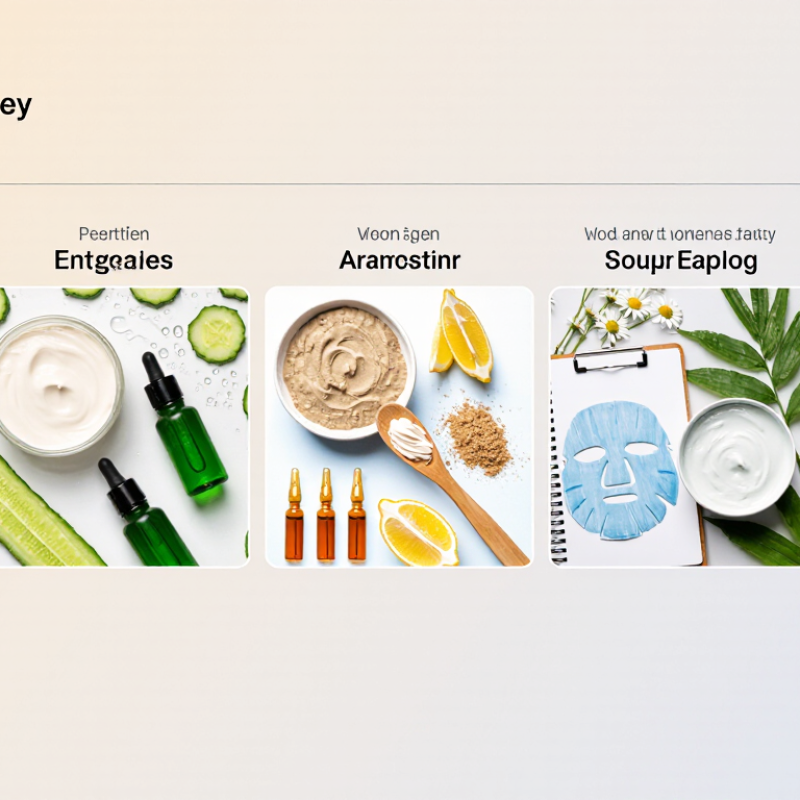
How to Choose the Right Types of Facials for Your Spa?

Understanding Facial Types and Their Core Benefits

How to Choose the Right Types of Facials for Your Spa?

Understanding Facial Types and Their Core Benefits

Choosing the right facial begins with understanding its main purpose. A classic facial supports basic cleansing, gentle exfoliation, and hydration. It can leave tired skin feeling smoother and more comfortable. Hydrating facials use moisture-focused products for dry, tight, or flaky skin. Exfoliating facials target dull texture and uneven surface buildup. Acne-focused treatments may help manage congestion, but they should never promise instant results. Brightening facials support a more even-looking complexion. Calming facials suit sensitive skin that feels warm, tight, or easily irritated.

An informed consultation should review skin history, current products, allergies, and recent treatments. A qualified esthetician can examine texture, oil levels, redness, and visible congestion before recommending a service. Professional judgment matters. Skin can react unexpectedly. In real consultations, a gentler facial is sometimes more suitable than a stronger treatment. That choice may feel less impressive, but it can protect the skin barrier. Results also depend on sleep, climate, skincare habits, and consistency.

Tips: Match the facial to today’s skin condition, not only long-term goals. Ask what each step should feel like. Choose moderate exfoliation when your skin feels fragile. Keep water lukewarm after treatment. Stop if burning or swelling appears. Record how your skin responds. Less can be more.

Assessing Skin Conditions, Concerns, and Treatment Goals

Choosing the right facial begins with assessment, not a treatment menu. Ask about sensitivity, allergies, medication, recent procedures, and daily skincare habits. Examine dryness, oiliness, redness, congestion, pigmentation, and visible inflammation under consistent lighting. Small details matter. A tight feeling after cleansing may indicate a weakened barrier, not a request for stronger exfoliation.

The American Academy of Dermatology reports that acne affects up to 50 million Americans annually. Its guidance also identifies rosacea as affecting more than 14 million people in the United States. These figures support careful screening before selecting acne-focused or redness-reducing facials. A congested teenager may need gentle cleansing and non-traumatic extraction. Mature, sun-exposed skin may need hydration and professional advice about pigmentation. Active rashes, open wounds, or unexplained changes require dermatologist evaluation.

Treatment goals should remain specific and realistic. “Brighter skin” might mean smoother texture, reduced dullness, or improved hydration. Document the client’s baseline, chosen products, contact time, and response during treatment. The Global Wellness Institute’s 2023 Global Wellness Economy Monitor valued the global wellness economy at $6.3 trillion in 2023, reflecting rising consumer interest in personal care services. Yet popularity is not proof of suitability. Even experienced therapists can overestimate what one facial can achieve. A conservative plan, followed by reassessment after several days, is often more reliable than an aggressive session.

Matching Facial Ingredients and Techniques to Each Skin Type

How to Choose the Right Types of Facials for Your Spa?

A professional facial should begin with observation, not a menu. Check oil levels, dehydration, redness, texture, and recent product use. The client’s skin may be oily and dehydrated at the same time. This is common, but often overlooked.

For dry or mature skin, choose humectants such as glycerin and hyaluronic acid. Add a creamy massage and a barrier-supporting mask with ceramides. Avoid aggressive steaming when the skin feels tight.

For oily or congested skin, use gentle cleansing, salicylic acid, and controlled extractions. The American Academy of Dermatology recommends non-comedogenic products for acne-prone skin (AAD, 2024). Extraction should never become a test of endurance.

Sensitive or redness-prone skin needs fewer ingredients and slower techniques. Consider fragrance-free formulas, cool compresses, and short contact times. Patch testing remains sensible, even in a busy spa.

The National Rosacea Society reports that many clients identify skincare products as symptom triggers (NRS, 2024). That finding supports a cautious consultation. Yet, not every red face has rosacea. Referral may be necessary.

Combination skin benefits from zone-based treatment. Use a light hydrating serum on the cheeks and a carefully selected exfoliant around the nose.

The Global Wellness Institute valued the personal care and beauty sector at about 1.2 trillion dollars in 2023 (Global Wellness Economy Monitor, 2024). Growth does not make every treatment suitable.

A perfect facial does not exist. Client feedback should reshape the next appointment.

Considering Spa Safety, Client Preferences, and Treatment Limits

Choosing the right facial begins with safety, not a crowded treatment menu. A trained therapist should record allergies, medications, pregnancy status, recent procedures, skin conditions, and current irritation. A facial can be relaxing and still unsuitable. Patch testing, clean tools, measured product use, and documented consent reduce avoidable risks. The International Spa Association’s 2024 U.S. Spa Industry Study reported 192 million spa visits in 2023, showing how many clients depend on consistent professional care.

Client preferences matter just as much. Some guests want hydration before an event, while others prefer calming touch after a stressful week. Ask about fragrance sensitivity, pressure, heat tolerance, downtime, and desired results. Keep the questions specific. “How does your skin feel today?” often reveals more than a long questionnaire. The Global Wellness Institute valued the global wellness economy at $6.3 trillion in 2023, but growth should not encourage rushed consultations or exaggerated promises.

Treatment limits must remain clear. Avoid aggressive exfoliation when the barrier looks compromised. Delay advanced procedures after recent injectables, strong peels, sunburn, or unexplained lesions, and refer concerns to an appropriate medical professional. I have learned that “gentler” is not always safer; poor timing can still create irritation. A careful spa may occasionally lose an upgrade sale. That is acceptable. Review client feedback, reaction logs, and staff training records regularly. Some facial categories overlap, and the menu may need revision.

Creating a Personalized Facial Selection and Care Plan

A personalized facial plan begins with listening, not choosing a treatment menu. Ask about dryness, oiliness, sensitivity, recent procedures, medications, and daily habits. Observe the skin under clear light. Note redness, flaking, congestion, and uneven texture. These details guide safer decisions than appearance alone. A trained esthetician should explain each step and identify when professional medical advice is more appropriate.

Hydrating facials may suit tight, dull skin, while calming treatments can help skin that feels warm or reactive. Gentle exfoliation may improve rough texture, but frequency matters. Clarifying treatments require restraint when the skin barrier is fragile. I usually recommend starting with the mildest suitable option, then reviewing the response after several days. The best plan may include shorter sessions, fewer active ingredients, and a simple home routine.

Care does not end at the spa. Use a gentle cleanser, moisturize consistently, and apply broad-spectrum sunscreen during daylight. Avoid adding several new products at once. That makes reactions difficult to identify. Keep a brief skin diary with treatment dates, sensations, and visible changes. I once assumed persistent dryness needed stronger hydration, but over-layering products increased irritation. That mistake reinforced an important lesson: skin can reject an impressive plan. Adjust slowly. Stop when discomfort continues, and document what happened before the next appointment.

Back To Top Skip to content