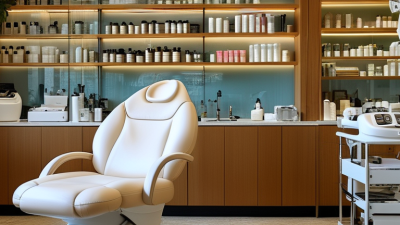

What Is a Facial Salon and How Does It Work?
A facial salon is a professional space where trained estheticians provide personalized skincare treatments. It is more than a room with relaxing music and scented towels. During a typical visit, the esthetician examines the client’s skin, asks about sensitivities, and discusses current products. This consultation helps identify concerns such as dryness, congestion, uneven texture, or excess oil. Every skin type responds differently.
The treatment may include cleansing, gentle exfoliation, steam, massage, masks, and moisturizer. Tools and products should match the client’s condition, comfort level, and treatment goals. A reputable facial salon follows clear hygiene procedures, including clean linens, disinfected equipment, and careful handwashing. Small details matter. The esthetician should also explain possible reactions, product ingredients, and aftercare instructions. Clients may be advised to avoid strong exfoliants, heavy makeup, or direct sunlight for a short period.
Professional judgment is important. Certain skin conditions, medications, allergies, or recent procedures may require postponing a facial or consulting a healthcare professional. Estheticians do not replace dermatologists, and responsible salons avoid promising instant or permanent results. Results can be subtle. That honesty builds trust.
The experience is not always perfect, either. A mask may feel uncomfortable, or a product may not suit every client. Good communication allows the treatment to be adjusted safely. Understanding how a facial salon works helps clients choose qualified providers, ask better questions, and care for their skin with realistic expectations.
What a Facial Salon Is and the Services It Provides
What Is a Facial Salon and How Does It Work?
What a Facial Salon Is and the Services It Provides
A facial salon is a professional space focused on cleansing, treating, and improving the appearance of facial skin. Services usually begin with a consultation and a close skin assessment. A trained esthetician may ask about sensitivity, allergies, medications, and daily skincare habits. That conversation matters. It helps prevent unsuitable treatments.
A standard facial often includes gentle cleansing, exfoliation, steam, a mask, and moisturizer. Some salons also provide facial massage, eyebrow shaping, mild peels, or light-based treatments. The process should feel organized, clean, and unhurried. Warm towels may soften the skin, while a quiet room helps clients relax. Extractions can remove certain clogged pores, but forceful pressure may cause irritation or marks.
A facial is not a medical diagnosis or a permanent solution. One limitation is easy to overlook: healthy skin can still react badly to a new product. Reliable professionals explain possible redness and recommend patch testing when appropriate. They should sanitize tools, wash their hands, and protect the client’s eyes during specialized treatments. Severe acne, persistent rashes, or sudden skin changes need medical advice instead. Results also depend on home care, sun protection, and realistic expectations. A brighter appearance may last briefly. That is normal, not failure.
How a Facial Salon Consultation and Skin Assessment Work
A facial salon is more than a place for cleansing and relaxation. During a consultation, a trained esthetician asks about your daily routine, allergies, medications, water intake, and recent skin changes. These details help shape a safer treatment plan. Your skin is then examined under bright, clean lighting. The professional may check oiliness, dryness, sensitivity, clogged pores, redness, and uneven texture. A gentle touch can reveal rough areas that are easy to miss at home.
The assessment should feel like a conversation, not a sales pitch. Explain what products irritate you and mention recent procedures honestly. The esthetician should explain each step, possible discomfort, and realistic results. They should also recognize limits. Persistent swelling, painful lesions, or unusual changes may require advice from a qualified medical professional. A facial salon cannot diagnose every skin condition. That boundary matters.
Tips: Arrive with clean skin when possible, but avoid harsh exfoliation for one or two days beforehand. Bring a list of products and known sensitivities. Ask how long redness may last. Take notes if the routine sounds complicated. Small details help. Still, consultations are not flawless. Lighting, stress, and seasonal dryness can affect what the professional sees. Reassess your skin after the appointment, and speak up if something feels uncomfortable.
The Step-by-Step Process of a Professional Facial Treatment
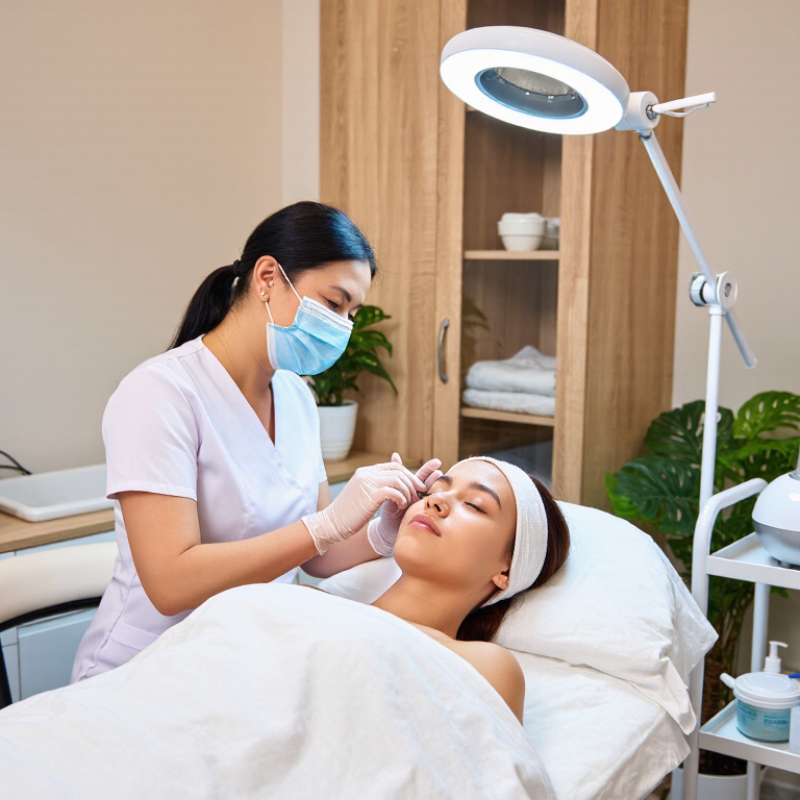
A facial salon is a professional space where trained estheticians assess and care for facial skin. A treatment usually begins with a consultation. The esthetician asks about sensitivity, allergies, medications, and daily habits. They also examine dryness, oiliness, congestion, and redness under a bright lamp. This assessment matters because every face responds differently.
The process starts with removing makeup, sunscreen, and surface oil using a gentle cleanser. Warm towels may soften the skin, although steam is not suitable for everyone. Next, the esthetician applies a mild exfoliant to loosen dead skin cells. Extractions may follow, but only when the skin can tolerate them safely. Forceful pressure can cause irritation. A relaxing facial massage often supports comfort and temporary circulation. Then, a mask is selected for the skin’s current needs. The final steps usually include moisturizer and broad-spectrum sunscreen. The treatment should feel controlled, not painfully intense. In practice, timing is not always perfect, and the esthetician may need to adjust the plan.
Tips: Arrive with clean information about your skincare routine. Mention recent procedures, active irritation, or unusual reactions. Avoid picking your skin before the appointment. Afterward, use gentle products and limit strong exfoliation for a short period. Take photos in similar lighting to track changes. Results can be subtle, and one facial cannot correct every concern. If burning or swelling continues, contact a qualified healthcare professional.
Equipment, Products, and Hygiene Standards in Facial Salons
A facial salon combines skin assessment, hands-on treatment, and controlled cosmetic equipment. Before treatment, a trained therapist should ask about allergies, medication, sensitivity, and recent procedures. That conversation matters more than a dramatic machine. Common equipment includes a magnifying lamp, steamer, cleansing brush, LED device, and high-frequency tool. Each device needs training, clear indications, and documented cleaning steps. Steam is not suitable for every client. Heat may worsen visible redness or discomfort.
Professional products should match the client’s skin condition, not a fixed treatment menu. A therapist may use a gentle cleanser, enzyme exfoliant, hydrating serum, mask, and barrier-supporting moisturizer. Ingredient lists should be available for review. Patch testing can reduce avoidable reactions, although it cannot predict every response. Strong exfoliation is not automatically better. Skin often needs less, not more.
Hygiene should be visible and consistent. Staff should wash or sanitize their hands before touching the client. Fresh linens and disposable applicators should be prepared for each service. Reusable tools require cleaning, disinfection, drying, and safe storage according to professional guidance. Product jars should not be handled with bare fingers. Treatment beds, lamp handles, and work surfaces need attention too. A polished room can still hide poor habits. Even careful therapists can miss a step, so checklists, training records, incident notes, and honest client feedback help improve reliability.
How to Choose and Prepare for a Facial Salon Visit
A facial salon is a professional space for skin cleansing, exfoliation, massage, and targeted treatments. A trained esthetician usually begins with a consultation and examines your skin under bright light. This step helps identify dryness, sensitivity, congestion, or irritation. Ask about the practitioner’s training, sanitation routine, and treatment experience. The salon should use clean tools, fresh linens, and clearly labeled products.
Choose a salon that explains each step before applying anything. Be cautious when staff promise dramatic results after one visit. Real skin changes often require time and consistent care. Tell the esthetician about allergies, prescription products, recent procedures, and ongoing skin concerns. A patch test may be sensible for reactive skin. If you have severe inflammation, seek medical advice before booking.
Prepare gently. Stop strong exfoliation or hair removal 24 to 48 hours beforehand. Arrive with a clean face, but avoid scrubbing immediately before treatment. Wear comfortable clothing, since some services include neck or shoulder massage. During the appointment, speak up about stinging, heat, or discomfort. Mild tingling can occur, but pain deserves attention. I once assumed deeper pressure meant better results; it did not. Leave time afterward for temporary redness, and use simple moisturizer and daytime sun protection as advised. Hydrate, but do not expect one appointment to fix every concern.
Related Posts
-
2026 Top Facial Salon Equipment Suppliers?
-

Best Face Spa Manufacturers in China for Global Buyers
-
How to Choose the Best Facial Spa Supplier?
-

2026 Top Advanced Esthetics Trends for Global Buyers
-

Discover the Best Facial Places Near You for Radiant Skin in 2023
-

How to Choose the Right Facial Therapy for Your Skin Type and Concerns