Top 10 Lift Aesthetics Trends for Global Buyers
Global buyers are looking beyond polished cabins. They want lift aesthetics that feel welcoming, work reliably, and suit each building’s daily traffic. In this article, the top ten trends are viewed through practical details: warm lighting, tactile handrails, durable finishes, clear displays, and thoughtful color. Small choices matter. A brushed-metal panel can hide fingerprints; a glossy surface may show every mark by lunchtime.
Industrial-design pioneer Dieter Rams offered a useful principle: “Good design is as little design as possible.” Applied to lift aesthetics, that idea favors calm layouts, legible controls, and materials chosen for real use—not decoration alone. Buyers should also weigh maintenance access, local climate, passenger needs, and the availability of replacement parts. A beautiful finish that is difficult to repair may age badly. That matters.
These trends are not universal rules. A hotel, residential tower, and busy transit building face different demands, and preferences vary across markets. Some choices will look striking in a showroom yet feel cold or impractical after months of use. The following overview compares emerging visual directions with the everyday questions buyers should ask before specifying them. It also leaves room for a less fashionable truth: good design is sometimes quiet, and not every trend deserves to stay.
Defining Lift Aesthetics and Its Role in Modern Buildings
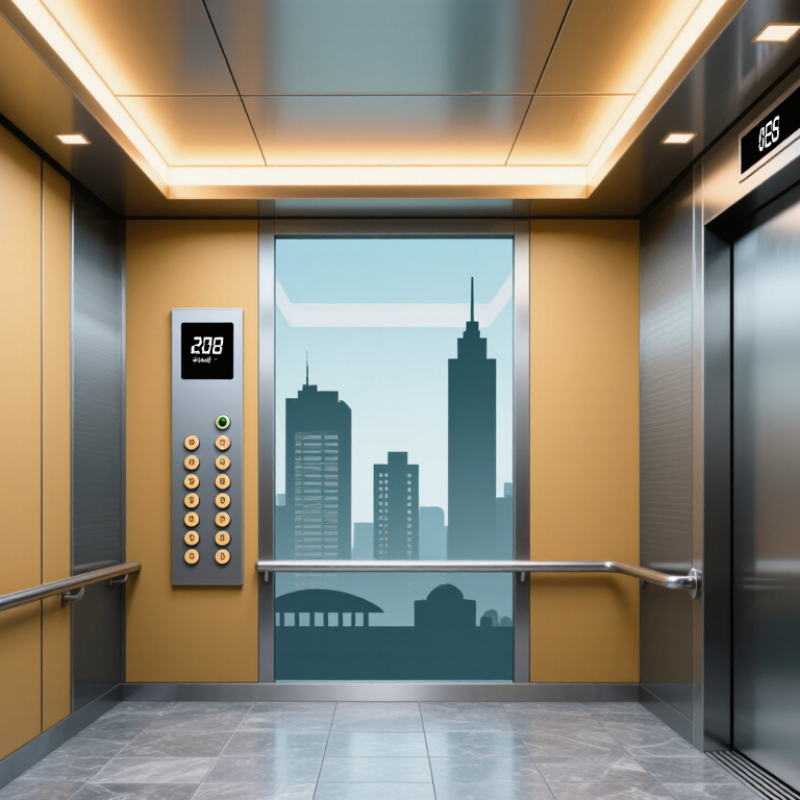
Lift aesthetics describes the visual and sensory character of a lift: its cabin, doors, lighting, controls, materials, and finishes. It is more than decoration. A lift is a repeated touchpoint, carrying residents, visitors, and staff through a building every day. Its design can help people feel oriented and welcome, or make a space feel cold and confusing.
In modern buildings, lift design connects architecture with everyday use. A warm timber-look wall, clear floor indicators, and even lighting can make a compact cabin feel calmer. Glass panels may suit some settings, while quieter colors and durable surfaces may work better in busy public buildings. These choices should support visibility, accessibility, cleaning, and long-term maintenance. A striking finish can age poorly if it scratches easily. Trends are useful references, not universal answers; local requirements and the building’s users matter.
Tips: Check materials under actual cabin lighting before selecting them. Test control visibility from seated and standing positions. Ask maintenance teams about cleaning and wear. Small details matter. They are easy to overlook.
Top 10 Lift Aesthetics Trends for Global Buyers
Defining Lift Aesthetics and Its Role in Modern Buildings
Lift aesthetics bring finishes, lighting, materials, and visual identity together within a building’s vertical-transport experience. The chart provides context: the global urban population share rose from 46.7% in 2000 to 57.3% in 2023. This urbanization indicator is not a measure of lift-design preferences, but it highlights the growing relevance of well-considered lift interiors in modern buildings. Source: World Bank, Urban population (% of total population), indicator SP.URB.TOTL.IN.ZS.
How Global Buyers’ Needs Shape Lift Design
Top 10 Lift Aesthetics Trends for Global Buyers
How Global Buyers’ Needs Shape Lift Design
Global buyers increasingly want lift interiors that feel native to their buildings, not copied from a catalogue. In hotels, warm wood tones and soft lighting can make a cabin feel welcoming. In offices, brushed metal and clear glass often signal precision. Still, a glossy finish is not automatically practical. A pale stone-effect floor may look elegant in photographs, then reveal every scuff.
Material choices also reflect growing attention to building performance. UNEP’s 2024 Global Status Report for Buildings and Construction estimates that buildings and construction account for 32% of global energy use and 34% of carbon dioxide emissions. That wider footprint makes efficient lighting and durable, replaceable finishes sensible design choices. Details matter. Buyers can request low-energy lighting, locally suitable materials, and surfaces that withstand frequent cleaning. These choices may reduce waste over time, though results depend on maintenance and product lifespan.
Accessibility shapes aesthetics, too. The World Health Organization reports that one in six people worldwide will be aged 60 or older by 2030. High-contrast controls, readable displays, even lighting, and tactile buttons can support more users without making a cabin feel clinical. Regional preferences still matter: color, reflectivity, and visual patterns may be interpreted differently across markets. Mirrors can make a small lift feel larger, but glare and disorientation deserve consideration. A beautiful cabin is not always a comfortable one.
Materials, Colors, and Finishes Trending in Lift Interiors
Lift interiors are shifting toward tactile materials that feel calm, durable, and easy to maintain. Brushed stainless steel remains popular, but it now shares space with warm wood-look panels, textured laminates, and subtle stone patterns. These surfaces add depth without making a compact cabin feel crowded. Soft beige, muted green, and charcoal are replacing some high-gloss white schemes. Small details matter.
Lighting changes how these finishes appear. A warm ceiling light can soften bronze-toned metal, while cooler light may make grey panels feel clinical. Designers often pair one statement surface with quieter walls and flooring. This keeps the cabin visually balanced and helps fingerprints or scuffs stand out less. Matte finishes can reduce glare, though they may show certain marks more clearly. The trade-off is real. Even a beautiful panel can feel cold if its texture and lighting are poorly matched.
Tips: View material samples under the lift’s actual lighting, not only in a showroom. Check cleaning instructions and inspect edges, seams, and handrail finishes. A restrained palette usually ages better, but “timeless” choices still depend on the building’s character.
Smart Features, Lighting, and Accessibility in Lift Aesthetics
For global buyers, lift technology should make everyday journeys easier, not simply add screens. Touchless calls, destination controls, and occupancy sensors can reduce unnecessary contact and help manage passenger flow. Yet smart features need clear fallback options. A visitor should still understand how to request a lift if a screen is confusing or a connection fails. Remote diagnostics can help maintenance teams spot faults earlier, but buyers should ask what data is collected, how it is protected, and who can access it.
Lighting shapes comfort and confidence. Even illumination at the landing helps passengers see floor indicators and notice the gap at the threshold. Inside the car, soft, balanced lighting can reduce harsh shadows on faces and controls. Avoid glare on glossy panels. Flicker matters, too, especially for people sensitive to changing light. Small details matter. Still, attractive lighting cannot compensate for poor maintenance or unclear emergency instructions.
Accessibility belongs in the design brief from the start. High-contrast buttons, tactile markings, audible floor announcements, and reachable controls support passengers with different needs. A handrail and a level entrance can make boarding easier for older adults and people using mobility aids. Buyers should check local accessibility requirements and test the car with varied users before final acceptance. One imperfect point: a feature can work well in a showroom yet feel awkward during a crowded commute. Real use reveals what drawings miss.
Top 10 Lift Aesthetics Trends for Global Buyers - Smart Features, Lighting, and Accessibility in Lift Aesthetics
| Rank | Trend | Aesthetic and Feature Direction | Why Buyers Consider It | Practical Consideration |
|---|---|---|---|---|
| 1 | Integrated smart controls | Touchscreens or digital indicators can present floor, direction, and service information in a coordinated interface. | A consistent control design can support a modern interior and make operating information easier to find. | Check that controls remain understandable, readable, and usable for people with different abilities. |
| 2 | Layered LED lighting | Use ceiling lighting with well-lit controls and indicators; select illumination that provides even visibility. | Good lighting helps passengers see controls, signage, and the cabin environment clearly. | Avoid glare, harsh reflections, and lighting that obscures indicator displays. |
| 3 | Touchless access options | Where supported by the lift system, access may include contactless call or destination selection through compatible devices. | Contactless options can offer an additional way to request service and may suit particular building operations. | Retain accessible, clearly marked conventional controls and consider connectivity and privacy requirements. |
| 4 | Accessible control layouts | Position controls within a usable reach range and provide clear labels, tactile features, and legible visual feedback. | A thoughtful layout supports independent use by a wider range of passengers. | Confirm applicable local accessibility codes and project-specific requirements. |
| 5 | High-contrast wayfinding | Use distinguishable colors and clear visual contrast for buttons, floor indicators, signs, and surrounding finishes. | Contrast can make important information easier to distinguish, including for passengers with low vision. | Check contrast under the installed lighting and avoid relying on color alone to convey meaning. |
| 6 | Warm, residential-inspired finishes | Combine coordinated colors and textures to create a welcoming cabin suited to the building interior. | A considered finish palette can help the lift feel integrated with residential, hospitality, or mixed-use spaces. | Specify materials suitable for expected traffic, cleaning methods, and maintenance capacity. |
| 7 | Durable, easy-care surfaces | Choose robust wall, floor, and fixture finishes that can withstand routine use and cleaning. | Durable materials can help preserve the appearance of a high-use cabin over time. | Review slip resistance, cleaning instructions, repairability, and the appearance of wear. |
| 8 | Modular finish selection | Coordinate replaceable or configurable panels, flooring, ceiling details, and control finishes. | A modular approach can make it easier to align the cabin with different building interiors or future refreshes. | Confirm compatibility with the lift design, fire-safety requirements, and maintenance procedures. |
| 9 | Ergonomic handrails and mirrors | Place handrails where they are easy to reach and use mirrors thoughtfully to support orientation and perceived space. | These details can improve comfort and usability for passengers who benefit from additional support or visual orientation. | Ensure mirrors do not create confusing reflections and that handrails meet applicable requirements. |
| 10 | Clear, uncluttered cabin design | Keep controls, signs, lighting, and decorative elements visually organized and easy to identify. | A simple visual hierarchy can help passengers locate essential information without distraction. | Prioritize legibility and function when adding decorative details or digital displays. |
How to Compare Lift Aesthetics Across Global Markets
Top 10 Lift Aesthetics Trends for Global Buyers
How to Compare Lift Aesthetics Across Global Markets
Comparing lift interiors across markets means looking beyond polished showroom images. A brushed-metal panel may feel cool and refined in one setting, yet show fingerprints under bright lobby lighting. Warm lighting, mirrored surfaces, textured laminates, and darker finishes each change how a cabin feels. Details matter. Ask to see full-size samples beside the proposed floor and wall materials, not only on a screen. A polished image can hide awkward seams.
Preferences also vary with building type, local design cues, climate, and maintenance routines. A hotel may favor soft lighting and reflective surfaces, while a busy residential building may need finishes that conceal everyday marks. Check how colors appear under the actual cabin lights, and compare door panels, handrails, flooring, and ceiling as one composition. Not always easy. Request cleaning guidance and replacement options before choosing delicate textures or glossy surfaces. Where possible, inspect a finished installation; photographs rarely show wear at corners or the effect of changing light. Aesthetic comparisons are useful, but they are not exact science, and a trend can look dated sooner than expected.
Related Posts
-
Top 10 Advanced Skin Care Techniques for Radiant Healthy Skin?
-

Top 10 Glow Spa Treatments That Will Transform Your Skin?
-
10 Best Back Facial Treatments for Glowing Skin?
-

Top Skin Therapy Methods for Healthy and Glowing Skin?
-

Top 10 Skin Facial Treatments for Every Skin Type
-

Unlock Radiant Skin: Top 5 Professional Facial Treatments for Every Skin Type