Skip to content
Policy FAQ
   
(908) 210-9335
   
Now Available: Cherry Payment Plans!
Are you interested in paying in installments with Cherry payment plans? Get pre-approved today! Applying won’t harm your credit!
graphical user interface, website

Top 10 Skin Facial Treatments for Every Skin Type

A skin facial can feel like a small reset: warm towels, a gentle cleanse, and a treatment chosen for your skin’s needs. Yet “best” depends on more than how soft your cheeks feel afterward. Dryness, sensitivity, clogged pores, and uneven tone call for different approaches. One facial does not suit everyone.

The International Spa Association’s 2024 U.S. Spa Industry Study reported 181 million spa visits and $21.3 billion in industry revenue in 2023. Those figures show how widely people use professional spa services, but they do not prove that every facial delivers lasting skin benefits. Results depend on the treatment, provider, and individual skin. Dr. Howard Murad’s well-known principle is, “Healthy skin is a reflection of overall wellness.” It offers a useful reminder: skincare choices should support, not punish, the skin.

In this guide, we compare ten popular skin facial treatments across common skin types, from hydrating facials for tight, flaky skin to gentler options for easily irritated complexions. We’ll note what each treatment may help with, what to ask before booking, and when professional medical advice matters. Expect practical details, not miracle claims. A facial can be relaxing; it is not a substitute for diagnosing a persistent skin concern.
Top 10 Skin Facial Treatments for Every Skin Type

Skin-Type Basics: AAD Estimates Acne Affects Up to 50 Million Americans Each Year

Acne is not a niche concern. The American Academy of Dermatology (AAD) estimates that up to 50 million Americans experience acne each year. It also reports that about 85% of people aged 12–24 experience at least minor acne. These figures show how common breakouts are, but they cannot identify the right facial for an individual. Skin varies. A shiny forehead can sit beside dry, tight cheeks, even on the same face.

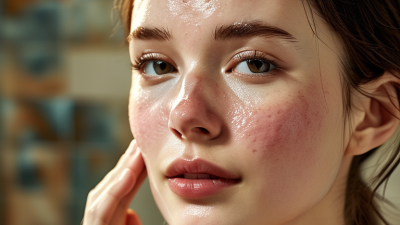
Skin-type labels help, but they are imperfect; oiliness and sensitivity can change with weather, hormones, and skincare habits. Before a facial, note where blemishes appear, whether your skin stings, and if spots are tender or deep. A gentle cleanse and careful assessment are safer starting points than aggressive scrubbing. Inflamed acne may worsen with rough exfoliation or squeezing. Not every “deep-cleaning” treatment is a good fit.

For clogged pores, a trained professional may discuss mild exfoliation or cautious extractions, while dry or reactive skin may need simpler, fragrance-free care. These treatments can support comfort and appearance, but they do not replace medical acne care. Painful nodules, scarring, or persistent breakouts deserve evaluation by a dermatologist. A facial should leave skin calm—not raw, burning, or unusually tight. That detail matters.

Treatment Selection: AAD Recommends Broad-Spectrum SPF 30 or Higher

Facial treatments can leave skin temporarily dry or more sensitive, especially after exfoliation or a peel. Daily sun protection helps limit sunburn and visible UV-related skin changes. The American Academy of Dermatology recommends a broad-spectrum sunscreen with SPF 30 or higher. “Broad-spectrum” means protection against both UVA and UVB rays. SPF measures protection from UVB, so the number alone does not tell the whole story. No sunscreen blocks every ray.

Tips: Apply a generous, even layer to the face, ears, and neck before going outdoors. Reapply every two hours outside, and after swimming or sweating. A hat helps, too. Small habit. Big difference.

Choose a formula that feels comfortable enough to use consistently. If your skin stings after treatment, pause irritating products and ask your dermatologist how to protect the area. A mineral formula may suit some sensitive skin, but no type works best for everyone. I still find sunscreen easy to underapply around the hairline and jaw. Check those spots in daylight, and follow your clinician’s specific aftercare instructions.

Top 10 Skin Facial Treatments for Every Skin Type – Treatment Selection: AAD Recommends Broad-Spectrum SPF 30 or Higher

Treatment Common purpose Skin types or concerns it may suit Typical recovery Selection and safety notes
Gentle hydrating facial Cleanse and moisturize; may temporarily relieve tightness and dryness. Often suitable for dry or dehydrated skin; can be adapted for many skin types. Usually little to none. Choose fragrance-free, non-irritating products if skin is sensitive. A facial does not treat the underlying cause of persistent skin symptoms.
Superficial chemical peel Exfoliate the outermost skin layers and improve the appearance of uneven tone or texture. May be considered for some acne-prone, sun-damaged, or uneven-toned skin after an individual assessment. Temporary redness, dryness, or peeling may occur. Peel strength and ingredients matter. Irritation or pigment changes are possible, particularly with unsuitable treatment or aftercare; seek a qualified clinician’s advice.
Microdermabrasion Gently exfoliate the surface of the skin. May suit some people seeking a mild improvement in rough texture or dullness. Often brief redness or sensitivity. It may not be appropriate for active inflammation, very sensitive skin, or certain skin conditions. Results are generally modest and temporary.
LED light therapy Use selected wavelengths of light as an adjunct for certain skin concerns. May be considered for some acne-prone or redness-prone skin, depending on the device and clinical plan. Usually minimal, though temporary irritation is possible. Evidence and results vary by device and condition. Ask a clinician about eye protection, photosensitivity, and medicines that increase light sensitivity.
Professional comedone extraction Remove selected blackheads or clogged pores using appropriate technique. May help with some non-inflamed clogged pores. Temporary redness or tenderness may occur. Extraction is not suitable for every blemish. Picking or forceful extraction can cause infection, scarring, or discoloration; inflamed acne may need medical treatment.
Microneedling Create controlled micro-injuries to support improvement in the appearance of certain scars or texture concerns. May be considered for selected concerns after assessment of skin tone, history, and risk factors. Redness and sensitivity can last several days. Use a qualified professional and sterile equipment. It may be unsuitable with active infection, inflamed acne, or a history of abnormal scarring; pigment changes are possible.
Intense pulsed light treatment Target selected discoloration or visible blood vessels using pulses of light. May be considered for certain sun spots or redness after assessment; suitability varies with skin tone. Temporary redness or swelling; treated spots may darken before fading. Not appropriate for all skin tones or conditions. A trained clinician should assess risks such as burns, eye injury, and pigment changes.
Non-ablative laser treatment Target specific concerns such as uneven tone or texture while leaving the skin surface largely intact. May suit selected concerns when the device and settings are chosen for the individual. Often mild redness or swelling, with recovery varying by treatment. Laser type, settings, skin tone, and medical history affect safety and results. Consultation with an experienced clinician is important.
Ablative laser resurfacing Resurface damaged skin to address selected wrinkles, scars, or texture concerns. For carefully selected candidates who can follow a clinician-directed recovery plan. Can involve significant redness, wound care, and recovery lasting days or longer. This is a medical procedure with risks including infection, scarring, and pigment changes. It requires professional assessment and aftercare.
Enzyme exfoliation Provide a mild exfoliating treatment to loosen surface buildup. May be an option for some people seeking gentle exfoliation, including those who do not tolerate stronger exfoliants. Usually little downtime; irritation or allergy is possible. “Natural” ingredients can still irritate or cause allergic reactions. Patch testing and avoiding use on broken or inflamed skin can help reduce risk.

Sun protection and personalization: The American Academy of Dermatology recommends choosing a broad-spectrum sunscreen with SPF 30 or higher. Follow your treating clinician’s instructions after procedures, since healing skin may need extra protection and some treatments require avoiding sun exposure. Skin type alone does not determine suitability; discuss active conditions, medications, skin tone, and treatment risks with a qualified professional.

Top 10 Facial Treatments: Match Cleansing, Exfoliation, and Hydration to Skin Type

A useful facial routine matches cleansing, exfoliation, and hydration to how skin behaves—not just its label. For dry or makeup-wearing skin, an oil or balm cleanse can loosen residue; a cream cleanser offers a gentler daily wash. Oily skin may prefer a mild gel cleanser, not a squeaky-clean finish. That tight feeling can signal over-cleansing. AAD estimates acne affects up to 50 million people in the United States each year, so acne-prone skin is common, but aggressive scrubbing is not the answer (American Academy of Dermatology, “Acne: Who Gets and Causes”).

For exfoliation, salicylic acid may suit some oily, blemish-prone skin, while low-strength lactic acid can be a gentler option for some dry complexions. Enzyme exfoliation is another choice, though “natural” does not mean irritation-free. Start with one exfoliant, used sparingly. Sensitive skin may do better skipping it. For hydration, try a humectant serum, a water-based gel moisturizer for oilier skin, a ceramide-rich cream for dryness, or a hydrating mask when skin feels parched. Keep it simple. I’d be cautious about calling any facial universally best; weather, medication, and daily habits change skin needs. Patch testing can help, but it cannot promise a reaction-free result. Persistent burning, swelling, or breakouts deserve advice from a dermatologist.

Professional Procedures: ASPS Recorded 25.4 Million Minimally Invasive Treatments in 2023

ASPS recorded 25.4 million minimally invasive cosmetic procedures in the United States in 2023. That was a 7% rise over 2022, according to its 2023 Plastic Surgery Statistics Report. Neuromodulator injections accounted for about 9.5 million procedures, while hyaluronic acid fillers reached roughly 5.6 million. These figures show demand, not suitability. An oily, acne-prone face may need a different plan from dry, reactive skin. Superficial peels, microneedling, light-based treatments, and resurfacing each carry distinct benefits and risks. Skin tone matters, too: some energy-based procedures can cause pigment changes without careful screening and settings.

ISAPS estimated 19.1 million nonsurgical aesthetic procedures worldwide in its 2023 Global Survey. This is a separate dataset, so its total should not be added to ASPS figures. Neither report tells us whether a particular treatment improved comfort, texture, or confidence. A useful consultation should cover skin history, medications, likely downtime, and alternatives. Ask how a proposed procedure fits your skin type, not just its popularity. Some treatments leave temporary redness; injections may cause swelling or bruising. Results vary. Even a carefully chosen treatment can disappoint, and maintenance is easy to underestimate.

Selected Minimally Invasive Facial Procedures in 2023

ASPS reported approximately 25.4 million minimally invasive procedures in 2023. Botulinum toxin and hyaluronic acid injections were among the most frequently reported procedure categories; individual results and suitability vary by person and skin concerns.

Source: American Society of Plastic Surgeons, 2023 Plastic Surgery Statistics. Procedure counts shown in millions.

Safety and Results: When to Seek Dermatologist Guidance for Skin Irritation

Facial treatments can feel soothing, but even a gentle session may irritate sensitive skin. Hydrating facials, mild enzyme exfoliation, and LED treatments suit some people, while extractions, microdermabrasion, and chemical peels can be too harsh for others. Skin type is only part of the picture. Recent sun exposure, eczema, rosacea, allergies, and prescription skin medicines can change how skin responds. Tell the provider about these factors before treatment, and ask what products or devices will be used. A little redness may happen after exfoliation, but burning is not a goal.

Pause treatment if your skin becomes persistently hot, swollen, itchy, painful, or develops blisters. Rinse off products gently; avoid scrubs, retinoids, and fragranced products until the irritation settles. That can take time. Seek a dermatologist’s advice if symptoms worsen, last more than a few days, or keep returning after facials. Get prompt medical care for facial swelling, severe pain, or trouble breathing.

A dermatologist can check for causes such as contact allergy or a skin condition and suggest safer options. I used to assume that “natural” meant gentler; that assumption is unreliable. Keep a note of treatment ingredients and when symptoms appear, since small details can help guide care.

Back To Top Skip to content