What Is the Best Laser Hair Removal Spa Machine?
Choosing the best laser hair removal spa machine is less about a polished screen and more about dependable performance during real appointments. A machine should suit the treatments offered, the staff’s training, and the range of clients it can appropriately serve. That balance matters. Wavelength options, energy controls, and cooling design can affect how a device is used, but specifications alone cannot establish quality.
A careful comparison should also consider manufacturer guidance, service support, staff training, and credible evidence behind the device’s stated capabilities. Ask how the equipment is maintained, what client assessments are used, and how settings are selected for different skin and hair characteristics. Safety should shape every decision. Even a well-designed machine can be a poor fit when operators lack suitable training or the spa cannot provide consistent support. There is no perfect shortlist, and product brochures rarely tell the whole story. That is worth remembering. This guide explores practical factors for evaluating a laser hair removal spa machine, including performance, usability, comfort features, and long-term ownership costs. It does not treat one model as best for every business. Instead, it offers a grounded way to compare options and identify questions worth asking before investing.
How Laser Hair Removal Machines Work
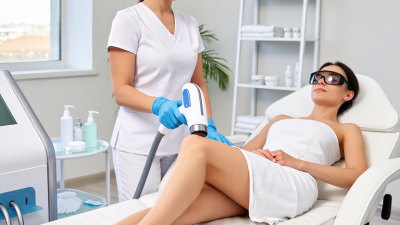
A laser hair removal machine sends concentrated light into the skin. Pigment in the hair absorbs much of that energy and converts it into heat. The heat can damage the follicle, reducing its ability to produce hair. The surrounding skin also absorbs some energy, so settings matter. Not magic.
Different wavelengths and pulse settings suit different skin tones, hair colors, and treatment areas. Coarse, dark hair often responds better because it contains more pigment. Blonde, gray, or red hair may respond less predictably. A cooling tip or gel can help protect the skin and reduce discomfort, though it cannot remove every risk. A careful consultation and test spot help a qualified practitioner choose suitable settings.
Hair grows in cycles, and the laser affects hairs most effectively during active growth. That is why several appointments, spaced weeks apart, are commonly needed. Results vary, and some regrowth can happen. A detail easy to overlook: the machine is only part of the process. Skin assessment, clean equipment, eye protection, and steady technique matter too. Even with good preparation, a treatment may feel warmer in one small area than another.
What Is the Best Laser Hair Removal Spa Machine? – How Laser Hair Removal Machines Work
| Technology | Typical wavelength | How it works | Common suitability | Potential advantages | Important considerations |
|---|---|---|---|---|---|
| Alexandrite laser | About 755 nm | Melanin in the hair absorbs light; the resulting heat can damage the follicle and reduce future growth. | Often considered for lighter skin tones with dark hair. Suitability depends on the device and a qualified assessment. | Strong melanin absorption can make it effective for appropriately selected skin and hair combinations. | Greater melanin absorption can increase the risk of skin injury or pigment changes on darker or recently tanned skin. |
| Diode laser | Commonly around 800–810 nm | Targets melanin in the hair shaft and follicle with laser energy that is converted to heat. | May be used across a range of skin tones, depending on the specific system, settings, and practitioner assessment. | A commonly used option for treating larger areas; some systems include contact cooling. | Results and safety depend on correct settings, skin type, hair characteristics, and operator training. |
| Nd:YAG laser | About 1064 nm | Uses a longer wavelength that penetrates more deeply and is less strongly absorbed by epidermal melanin than shorter wavelengths. | Often considered for darker skin tones when operated by a trained professional using suitable settings. | Lower epidermal melanin absorption can make it a useful option for some people with darker skin. | It may be less effective on some fine or light-colored hairs; treatment can feel uncomfortable and requires appropriate cooling and technique. |
| IPL (comparison; not a laser) | Broad, filtered light; range varies by device | Uses pulses of broad-spectrum light rather than one laser wavelength to heat pigment in hair. | Suitability varies by device and individual skin and hair characteristics. | Some systems offer adjustable filters and can treat larger areas. | It is not a laser. Device capabilities and results vary, so it should not be assumed to be interchangeable with laser treatment. |
How to choose: There is no single best machine for everyone. The appropriate option depends on skin tone, hair color and thickness, treatment area, device features, and practitioner expertise. Laser hair removal generally requires multiple sessions because hair follicles respond best during particular growth phases. A qualified professional should assess the individual, explain risks, and perform a test spot when appropriate.
Key Technologies Used in Spa Laser Hair Removal
Spa laser hair removal relies on selective photothermolysis: melanin absorbs light, and heat damages the hair follicle. Wavelength matters. Alexandrite systems use 755 nm light, diode systems commonly use about 800–810 nm, and Nd:YAG systems use 1064 nm. Longer wavelengths generally reach deeper and are often selected for darker skin tones, while device choice still depends on individual assessment. Cooling systems, such as contact chill tips or cold air, help protect the surface and reduce discomfort. They are not decorative extras.
Pulse duration and fluence also shape treatment. A skilled practitioner adjusts them for hair thickness, skin response, and treatment area, rather than relying on one preset. A 2013 review in Dermatologic Surgery reported study ranges of 35–84% long-term hair reduction for alexandrite, 32–69% for diode, and 30–74% for Nd:YAG devices. The wide ranges reflect differences in protocols and study populations; they are not a promise of results. The evidence is uneven. Before treatment, ask how the spa assesses skin and hair, tests settings, and records reactions. A machine’s wavelength alone cannot tell you whether its settings or operator are appropriate.
Factors That Define a High-Quality Spa Machine
What Is the Best Laser Hair Removal Spa Machine?
Factors That Define a High-Quality Spa Machine
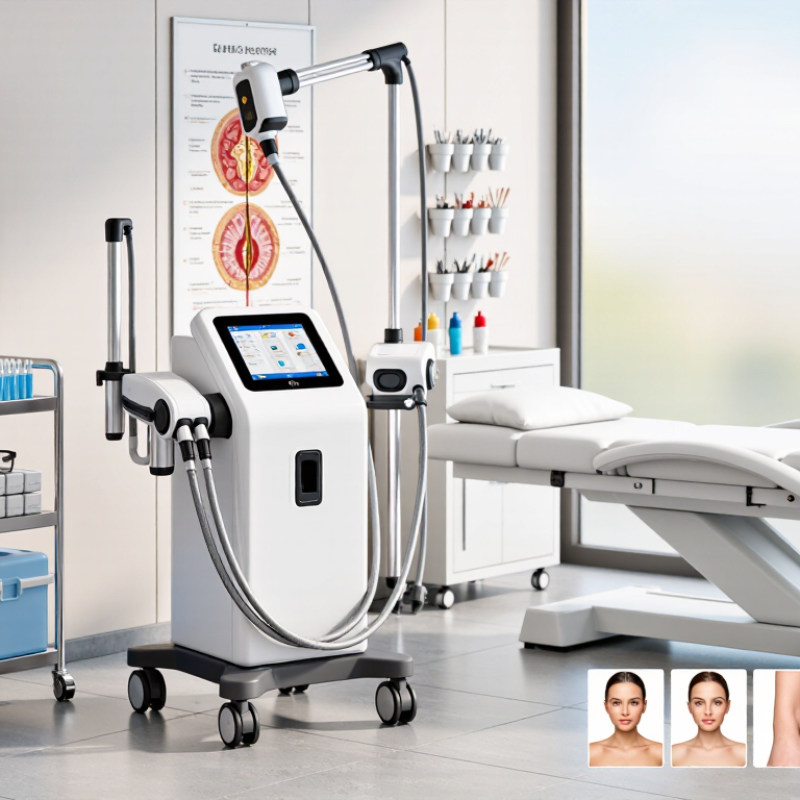
A high-quality spa machine should match its laser technology to the skin tones and hair types it is intended to treat. Check wavelength options, adjustable pulse duration, spot size, and reliable contact cooling. These settings affect how energy reaches the hair follicle and how comfortable treatment feels. The American Society of Plastic Surgeons’ 2023 Procedural Statistics Report recorded 25.4 million minimally invasive cosmetic procedures in the United States. That broad total is not specific to hair removal, but it shows the scale of demand for non-surgical services. A busy spa also needs equipment with clear operating instructions, documented maintenance, and accessible technical support. A polished screen is not proof of performance.
Look for consistent energy delivery and safety features, including skin-temperature monitoring and appropriate eye protection. Ask for service records and staff training documentation, then assess whether the supplier explains treatment limits plainly. No machine works equally well for every client. That detail can get lost in sales demonstrations. Independent clinical evidence and careful consultation matter more than impressive-sounding specifications.
Tips: Test the handpiece’s weight and cooling during a demonstration. Ask how calibration is checked, how often maintenance is needed, and what the operator should do if the skin reacts unexpectedly. Keep treatment records, including settings and client feedback.
Safety, Training, and Client Suitability
What Is the Best Laser Hair Removal Spa Machine? Safety, Training, and Client Suitability
The best machine is not simply the most powerful; it is one the operator can use safely for each client. Skin tone, hair color, recent tanning, medications, and treatment area all matter. Darker skin may need carefully selected settings and a device suited to its pigment. Blonde, gray, or red hair may respond less well because it contains less of the target pigment. A patch test and a clear medical history help guide decisions, but neither replaces sound clinical judgment. Small details matter. The American Academy of Dermatology says most patients need two to six treatments, so realistic expectations and follow-up are part of safe care.
Training matters as much as equipment. Operators should understand the device’s instructions, recognize skin reactions, and use wavelength-appropriate eye protection for everyone in the room. They should pause and refer clients when medical history or skin changes raise concerns. A clean treatment area and documented settings also support consistent care. Even experienced teams can overlook something; that deserves regular review, not excuses.
Tips: Ask how the spa assesses skin and hair before treatment. Confirm that staff are trained on the specific device, explain possible side effects, and avoid treating recently tanned skin. If the consultation feels rushed, wait.
What Is the Best Laser Hair Removal Spa Machine?
Representative wavelengths are 755 nm for alexandrite, about 810 nm for diode, and 1064 nm for Nd:YAG lasers. Wavelength alone does not determine the best choice: alexandrite is commonly used for lighter skin tones, while Nd:YAG is often preferred for darker skin tones; diode suitability varies by device and settings. Safe treatment requires trained operators, appropriate eye protection, skin assessment, and individualized settings. A consultation is essential, and no laser is suitable for every client.
How to Choose the Best Machine for a Spa
Choosing a spa laser hair removal machine starts with the clients you actually see. Review the skin tones and hair types it is designed to treat, and ask for clear treatment guidance across that range. A broad claim is not enough. Request technical specifications, safety documentation, and practical training from the supplier. Have a qualified professional assess whether the device and protocols suit your services.
Pay close attention to cooling, spot size, and adjustable settings. Cooling should remain comfortable during a sample treatment, not just during a quick demonstration. A larger spot may help cover legs efficiently, while smaller areas need careful control. Test it. Ask how the machine handles consecutive appointments, routine maintenance, and service delays. A polished touchscreen is tempting, but it tells little about reliability. Compare the full operating cost, including staff training and replacement parts. I would not choose on speed alone; an impressive treatment time can be less useful if staff need extra setup or clients find the experience uncomfortable. Check that the supplier explains realistic outcomes, limitations, and when treatment may not be appropriate.
Related Posts
-
What Is a Laser Hair Removal Spa?
-
Top 10 Types of Laser Hair Removal Spa Equipment
-

2026 Best Aesthetic Spa Trends for Global Buyers Guide?
-
Best Face and Body Care Tips for Glowing Skin and Healthy Appearance
-
Best Face Spa Manufacturers in China for Global Buyers
-
Unlock Radiant Skin: Top 5 Professional Facial Treatments for Every Skin Type