Skip to content
Policy FAQ
   
(908) 210-9335
   
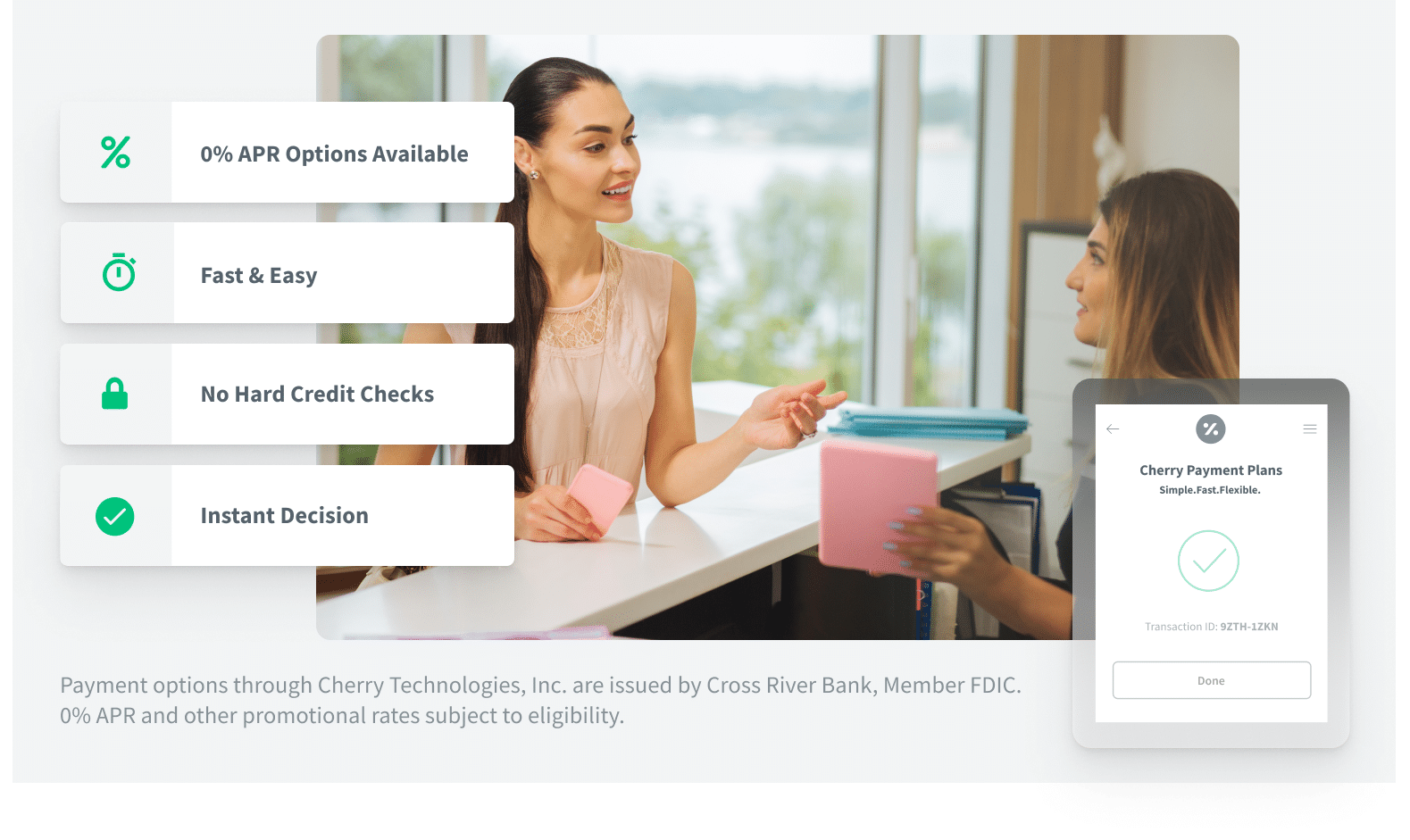
Now Available: Cherry Payment Plans!
Are you interested in paying in installments with Cherry payment plans? Get pre-approved today! Applying won’t harm your credit!
graphical user interface, website

7 Best Radiance Spa Products for Global Buyers?

Choosing the right spa products can be difficult when buyers compare brands across different countries. This guide explores seven radiance spa products selected for practical use, ingredient transparency, and international purchasing considerations. The focus is not simply on attractive packaging or promising words. Real value comes from consistent formulas, clear directions, and reliable quality controls.

Each featured product will be examined through a professional lens. We will consider cleansing performance, hydration, exfoliation, soothing support, and overall treatment experience. Ingredient lists matter. So do manufacturing standards, batch information, shelf life, and suitable skin types. Buyers should also check whether products use recognized cosmetic ingredients and comply with destination-market requirements. A soft cream, a fragrant mask, or a polished serum may look impressive, yet performance can vary between users.

Results are personal. That matters.

The selection also reflects practical experience with global purchasing. Packaging should protect products during long shipping routes and changing temperatures. Labels should remain readable and include essential usage guidance. Patch testing is still wise, especially for sensitive skin or products containing exfoliating ingredients. Some claims may sound stronger than the available evidence. We will question them carefully rather than repeat them. This approach may seem less exciting, but it supports safer decisions and more dependable spa routines. Whether you manage a professional salon or shop for home treatments, these seven options offer a useful starting point for comparison, not a guarantee of identical results.
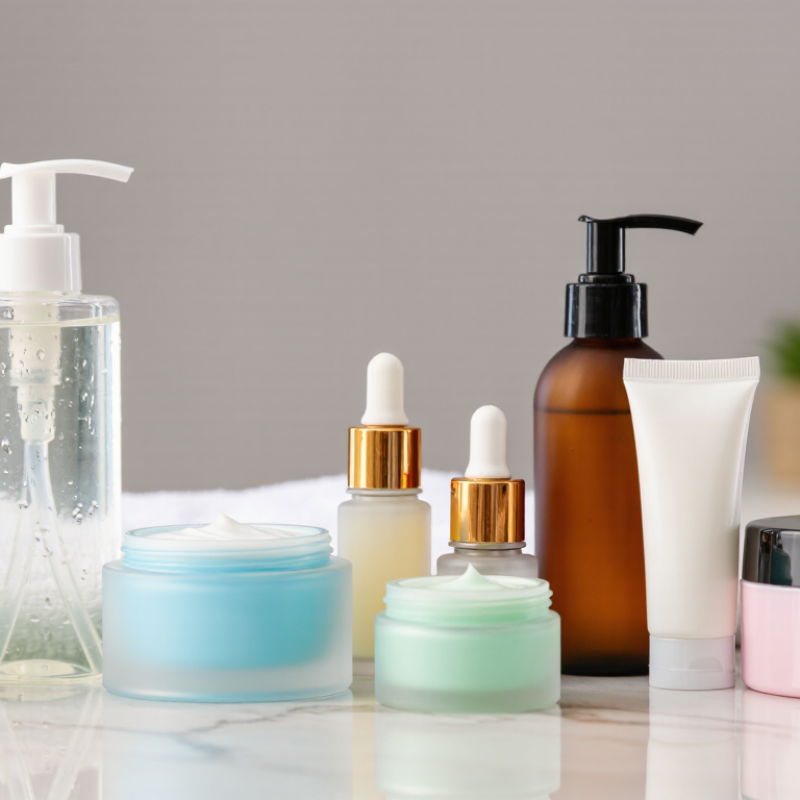
7 Best Radiance Spa Products for Global Buyers?

What Makes a Radiance Spa Product Effective for Global Buyers?

An effective radiance spa product must serve different skin types, climates, and customer expectations. Global buyers often look beyond attractive packaging. They need clear ingredient lists, practical instructions, and evidence-based benefits. Gentle exfoliants, hydrating agents, and antioxidant-rich ingredients may support a fresher appearance. Results vary.

Product safety also depends on testing and responsible communication. Reliable suppliers should provide stability data, microbial testing, and documented quality controls. Claims should remain realistic and avoid promising permanent whitening or instant transformation. Buyers in different regions may follow different cosmetic regulations, so compliant labeling and traceable sourcing matter. That matters.

Texture can influence daily use. A lightweight gel may suit humid climates, while a richer cream can feel more comfortable in dry weather. Fragrance-free options may help customers with sensitive preferences. Packaging should resist heat, leakage, and repeated handling during international shipping. In my evaluation experience, products with simple routines often earn better long-term use than complicated systems. Keep it simple.

Even well-formulated products are not universal. A botanical extract may feel soothing for one person but irritating for another. Patch testing remains sensible, especially when acids or essential oils are included. This is where product descriptions should admit limitations. Honest guidance builds more trust than dramatic promises, although many sellers still overlook this point. Global buyers tend to value consistency, transparency, and visible care throughout the purchasing experience.

Seven Radiance Spa Product Categories Worth Considering

Global buyers are exploring radiance products as wellness spending expands. The Global Wellness Institute reported a USD 5.6 trillion wellness economy in 2022. Its 2023 data also valued the global spa industry at about USD 93.9 billion. That growth supports seven practical product categories: gentle cleansers, exfoliants, facial masks, brightening serums, moisturizers, body treatments, and bath or aromatherapy products.

Each category serves a different spa ritual. Cleansers remove sunscreen and city residue without leaving tight skin. Exfoliants can improve surface smoothness, but strong formulas may irritate sensitive users. Masks offer a visible, treatment-room feeling in ten minutes. Serums often contain vitamin C, niacinamide, or other tested ingredients. Moisturizers help maintain the skin barrier after treatment. Body scrubs and lotions extend radiance below the face. Bath salts, oils, and aromatic products create sensory value, although fragrance preferences differ sharply across regions.

Market data should guide selection, not replace testing. Grand View Research estimated the global skincare market at USD 155.7 billion in 2022, with continued growth expected through 2030. However, “radiance” is not a universal outcome. Climate, water hardness, skin tone, and local labeling rules can change customer expectations. Buyers should request ingredient lists, stability data, safety documentation, and clear usage directions. Patch testing remains sensible. My own view is slightly cautious: attractive packaging sells, but transparent evidence earns repeat purchases. Some products will disappoint. That is normal, and useful feedback.

Key Ingredients and Benefits of Each Product Type

A radiance-focused spa routine works best when each product has a clear role. A gentle cleanser removes sweat without stripping the skin. A vitamin C serum can support a brighter, more even-looking complexion. Niacinamide helps reduce visible dullness and supports the skin barrier. An essence with fermented extracts may add light hydration, although results differ between users. A hyaluronic acid moisturizer attracts water and reduces tightness. A mild AHA exfoliant smooths rough texture, but overuse can cause dryness. A clay mask absorbs excess oil around the nose and forehead. Daily broad-spectrum sunscreen helps protect radiance from ultraviolet damage.

Tips: Global buyers should check ingredient labels, storage instructions, and local cosmetic rules. Patch-test each new formula for 24 hours. Humid climates may need lighter gels, while dry regions often need richer creams. Fragrance-free options can be more comfortable for reactive skin. Introduce one product at a time.

Visible changes rarely appear overnight. Consistency matters more than a crowded shelf. One limitation is worth noting: brightening ingredients cannot erase every dark spot, especially when sun exposure continues. Even well-designed routines may need adjustment during seasonal changes. A simple routine can be surprisingly effective, but personal skin history still matters.

How to Compare Quality, Safety, and International Compliance

7 Best Radiance Spa Products for Global Buyers

How to Compare Quality, Safety, and International Compliance

Global buyers should assess seven core products: a gentle cleanser, exfoliating serum, vitamin C treatment, niacinamide serum, brightening mask, barrier moisturizer, and broad-spectrum sunscreen. These categories support a practical spa routine, but “radiance” claims need careful review. McKinsey’s 2023 beauty report expects the global beauty market to approach $580 billion by 2027. Fast growth can encourage vague claims and rushed sourcing.

Quality starts with traceable evidence. Request full INCI ingredient lists, batch codes, stability data, microbial testing, and packaging compatibility results. ISO 22716 provides recognized cosmetic good manufacturing practice guidance. A reliable supplier should also explain allergen controls, preservative testing, and production records. Small details matter. A leaking pump can damage an otherwise strong formula.

International compliance differs by market. European sales require a safety assessment, product information file, responsible person, and notification through the required portal. In the United States, MoCRA requires facility registration, product listing, and serious adverse-event reporting duties. Sunscreen rules may be stricter because some markets regulate it as a cosmetic, while others treat it as a drug. Check every claim against local rules. “Clinically proven” should include study methods and participant numbers, not attractive wording alone. I would reject unclear certificates, even when the sample feels luxurious. Some supplier documents look complete but still lack current test dates. That is an uncomfortable gap worth investigating.

How Global Buyers Can Select Products for Different Spa Needs

Global buyers need more than a popular product list. They need products matched to climate, skin concerns, treatment length, and local rules. The Global Wellness Institute reported that the wellness economy reached 6.3 trillion US dollars in 2023. That growth raises expectations for safe, evidence-informed spa care.

A practical seven-product range can include a gentle cleanser, enzyme exfoliant, hydrating serum, mineral mask, massage oil, body scrub, and broad-spectrum sunscreen. Dry climates may need richer textures and humectants. Humid regions often prefer lighter, non-greasy formulas. Buyers should request ingredient lists, stability data, microbiological testing, and clear usage instructions. Packaging also matters. Airless pumps can reduce contamination, while refill systems may suit high-volume spas. However, refill plans can fail without strict cleaning controls. I would not judge performance from texture alone. Client feedback, patch testing, and treatment records reveal more.

Tips: Match each product to one treatment goal. Check fragrance sensitivity and local labeling rules. Ask for batch traceability and shelf-life evidence. Avoid medical claims unless properly authorized. The Global Wellness Institute’s 2024 report projects the wellness economy could reach 9 trillion US dollars by 2028, but rapid growth can encourage rushed purchasing. A small trial order is wiser than a large commitment. Temperature testing is useful for products shipped across hot, cold, and humid markets. Spa therapists should also assess slip, absorption, and removal time during real treatments.

Back To Top Skip to content