What Are the Top Facial Therapy Machines to Buy?
Choosing a facial therapy machine can feel like standing before a wall of glowing promises. One device offers red light; another adds microcurrent, warmth, or gentle cleansing. The right choice depends less on the number of settings and more on your skin goals, comfort, and ability to use it consistently. Board-certified dermatologist Dr. Hadley King offers a useful reminder: “Choose a device for your skin’s needs, not for the promise on its box.” Treat that as a shopping principle, not a guarantee of results.
This guide compares popular facial therapy machines by their intended use, evidence, safety instructions, and practical design. We’ll look at details you can actually assess: whether a mask fits securely, whether controls are simple, and whether the manual explains session length clearly. Small things matter. A device left in a drawer helps no one.
At-home tools may support a skincare routine, but they are not substitutes for diagnosis or treatment from a qualified professional. Skin sensitivity, certain medical conditions, and some medications can affect which technologies are appropriate. Read the manufacturer’s instructions, and seek professional advice if you are unsure. Results vary, and marketing language can sound more certain than the evidence allows. That deserves a second look. The sections ahead will help you compare options carefully, spot trade-offs, and choose a machine that fits your routine—not just your bathroom shelf.
What Facial Therapy Machines Are and How They Work
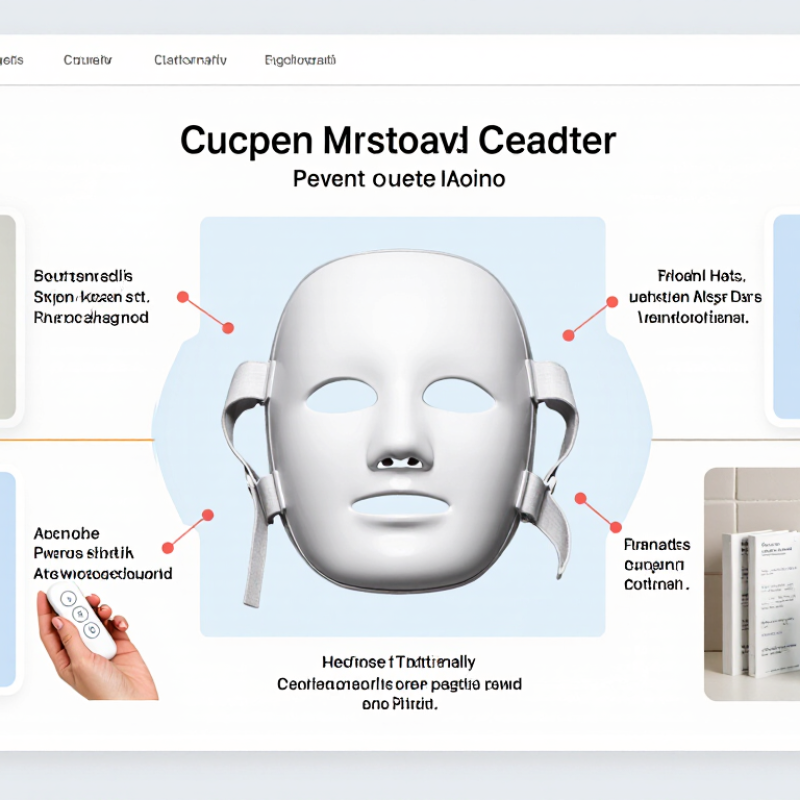
Facial therapy machines use controlled forms of energy or movement to affect the skin’s surface and, in some cases, deeper tissue. A handheld LED device shines selected wavelengths onto clean skin; different colors are marketed for different goals, but results depend on the device and user. Microcurrent tools deliver very low electrical currents through conductive gel. They may create a brief tightening sensation, not a permanent lift. Ultrasonic devices use rapid vibrations to help spread products or loosen surface debris. The mechanism varies, so “facial machine” is not one single treatment.
Most home devices are designed for short sessions on specific areas, such as the cheeks or forehead. Follow the manual’s timing and contact instructions, and use eye protection when directed. Keep the device moving if its guidance says to, rather than holding it in one spot. More intensity or more frequent use does not guarantee better results. That sounds simple, but warmth or tingling can be mistaken for proof that a device is working. Stop if you feel pain, persistent irritation, or unusual swelling. People with skin conditions, implanted electrical devices, or recent procedures should ask a qualified clinician before trying a new modality. Even a careful routine can feel inconsistent. Skin changes with sleep, hormones, and weather, so a device’s effect may be hard to separate from everyday variation.
What Are the Top Facial Therapy Machines to Buy? — What Facial Therapy Machines Are and How They Work
| Machine Type | How It Works | Common Intended Use | What to Check Before Buying | Important Limitations and Safety |
|---|---|---|---|---|
| LED light therapy mask or panel | Emits selected wavelengths of light. Red and near-infrared light are used in some devices for skin appearance; blue light is used in some devices targeting acne-related bacteria. | At-home light-based care for concerns such as mild acne or the appearance of fine lines. | Look for clearly stated wavelengths, treatment instructions, eye-safety guidance, and applicable regulatory information for the intended use. | Results vary and usually require consistent use. Follow eye-protection instructions; ask a clinician before use if you have a light-sensitive condition or take photosensitizing medication. |
| Microcurrent facial device | Delivers low-level electrical currents through skin-contact electrodes. The sensation and effects depend on the device design and settings. | Temporary facial toning or a refreshed appearance; some devices are marketed for the look of facial contours. | Check that the device includes clear instructions, appropriate conductive gel guidance, and adjustable settings that are comfortable for you. | At-home results may be subtle and temporary. Avoid use contrary to the manual, including over the front of the neck or near the eyes. Seek medical advice if you have an implanted electronic device or a relevant health condition. |
| Ultrasonic skin spatula | Uses a vibrating metal blade on damp skin to loosen surface debris and product residue through mechanical action. | A gentle cleansing step or temporary improvement in the feel of congested skin. | Choose a device with simple cleaning instructions, a smooth blade, and clear guidance on skin wetness, pressure, and frequency. | It does not permanently shrink pores or replace professional acne treatment. Use lightly and avoid broken, irritated, or inflamed skin. |
| At-home radiofrequency device | Delivers radiofrequency energy that produces controlled heating in targeted tissue, depending on the device and how it is used. | Some devices are designed to improve the appearance of skin firmness or fine lines over time. | Review the intended treatment area, temperature or contact safeguards, usage schedule, and regulatory status for the specific claims. | Home devices are not equivalent to professional procedures. Incorrect use can cause irritation or burns. Follow the manual and consult a clinician if you have an implanted device, are pregnant, or have a condition affecting skin sensation. |
| Galvanic or ion facial device | Uses a mild electrical current with compatible skin-care products. Depending on the device, it may be designed to support cleansing or product application. | A supplementary skincare step intended to help with cleansing or the application of selected water-based products. | Check which products are compatible, whether a conductive medium is required, and how to clean the contact surfaces. | Claims about deeper product delivery should be viewed cautiously; effectiveness depends on the device and product. Do not use on irritated skin or against medical advice. |
| Sonic facial cleansing brush | Uses oscillating or vibrating bristles or a silicone surface to loosen surface oil, makeup, and debris during cleansing. | A cleansing aid for people who prefer a powered tool as part of their daily routine. | Consider a gentle contact surface, replaceable or washable parts, adjustable intensity, and straightforward cleaning instructions. | More cleansing is not always better. Excessive pressure or frequent use can irritate skin, especially if it is sensitive or acne-prone. |
| Simple buying checklist | Match the technology to one clear skincare goal, and check whether the routine and treatment time are realistic for you. | Prefer clear instructions, transparent specifications, practical cleaning requirements, and a return policy that suits your needs. | No home device replaces sunscreen, basic skincare, or professional medical care. Stop using a device if it causes pain, persistent redness, or other unexpected effects. | |
Note: Facial therapy devices differ in design and evidence. Follow the manufacturer’s instructions and consult a qualified healthcare professional if you have a skin condition or are unsure whether a device is appropriate for you.